


More news on this day
Delta Air Lines flight DL1336 diverted to Columbia Metropolitan Airport, touching down safely after a precautionary change of course that interrupted its scheduled route but resulted in no reported injuries.
Get the latest news straight to your inbox!
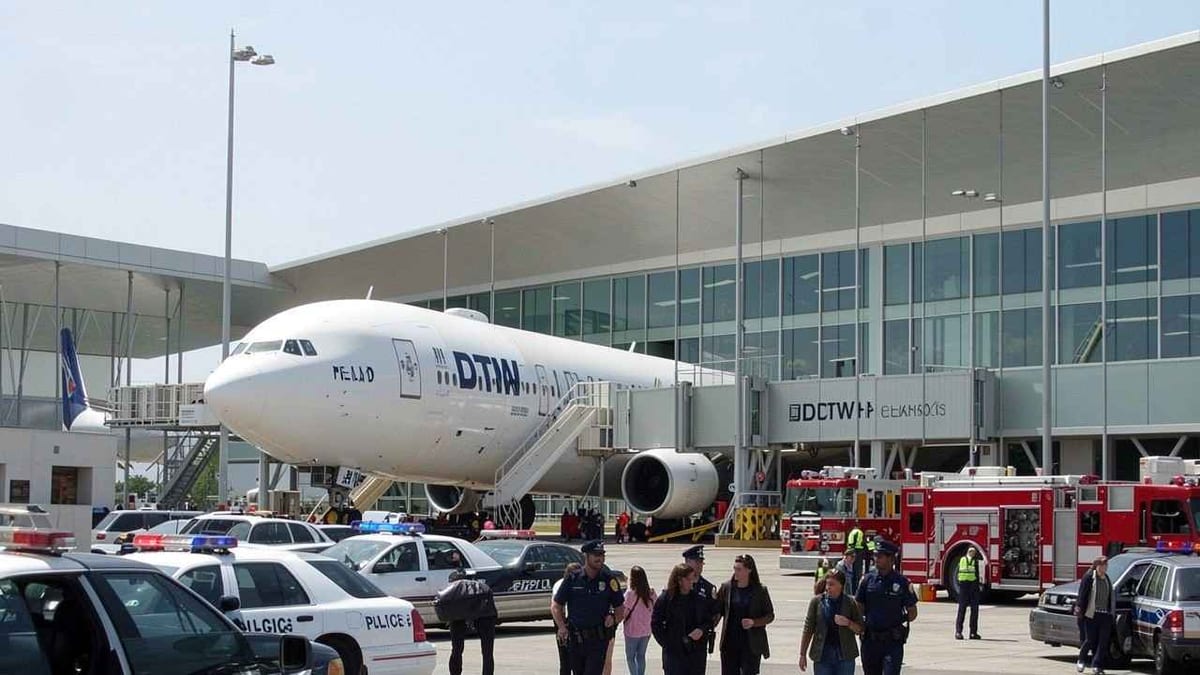
Unexpected Diversion Brings Delta Jet to Columbia
Delta flight DL1336 altered its planned route when the crew elected to divert to Columbia Metropolitan Airport in South Carolina, according to publicly available flight-tracking information and local reporting. The aircraft, operating a domestic service within the United States, was observed changing course and descending toward Columbia rather than its intended destination, prompting questions from travelers and aviation watchers following the flight online.
Reports indicate that the diversion was carried out in an orderly manner, with the flight landing safely and taxiing to the terminal area under its own power. There were no immediate indications of injuries among passengers or crew. Information currently available suggests the crew opted for a precautionary landing rather than continuing to the scheduled destination.
Delta has not released a detailed public narrative of the sequence of events, but standard industry practice in similar situations is to prioritize a nearby suitable airport when crews identify a technical, medical, or operational concern. Flight DL1336’s arrival in Columbia appears to fit within this conservative safety approach that major U.S. carriers routinely apply.
What Is Known So Far About DL1336’s Route Change
Based on flight-tracking data, DL1336 was en route along its planned corridor before initiating a turn that set the aircraft on a path toward Columbia. The descent profile and timing suggest the decision to divert was made with sufficient altitude and distance for a controlled approach, consistent with a precautionary, rather than emergency, maneuver.
Publicly available data does not yet clarify the precise trigger for the diversion. In comparable cases, airlines have diverted flights for reasons ranging from cockpit alerts and indications requiring further inspection on the ground, to passenger medical issues, to evolving weather conditions at the destination. At this stage, information in the public domain does not point conclusively to any single cause for DL1336’s altered course.
Columbia Metropolitan Airport, while smaller than the major hubs in Delta’s network, is a fully equipped commercial facility that handles regular mainline and regional jet operations. The airport’s runway length and airfield infrastructure make it a viable alternate for a range of domestic aircraft types, which helps explain its selection as a diversion point when DL1336 needed to leave its original route.
Passenger Impact and Onward Travel Arrangements
Travelers aboard DL1336 faced an unplanned stop that disrupted their itineraries, but available information indicates they reached the ground safely and were able to deplane in Columbia. As is typical after a diversion, the focus shifted quickly from the in-flight event to questions about rebooking, missed connections, and overnight accommodations.
Publicly available coverage of similar diversions shows that airlines generally work to re-accommodate passengers on later services, either from the diversion airport or via a repositioned aircraft once any technical concerns are addressed. At a non-hub airport such as Columbia, that process can involve busing, chartering an additional aircraft, or routing passengers through a nearby hub on subsequent flights, depending on aircraft availability and schedule constraints.
Delta’s general policies, as described in publicly accessible customer resources, distinguish between disruptions caused by weather and those linked to controllable operational issues. While the specific categorization of DL1336’s diversion has not been publicly detailed, that determination usually shapes options such as meal vouchers, hotel support, and compensation. For many passengers on DL1336, the immediate priority was likely securing updated travel plans and communicating changes to their final-destination contacts.
Columbia Airport’s Role as an Alternate Destination
Columbia Metropolitan Airport has occasionally appeared in news coverage as a diversion point for flights that could not continue to larger hubs due to weather or other operational factors. In those past cases, aircraft ranging from domestic narrowbodies to widebody international jets have used the airport as a temporary refuge when conditions at major gateways deteriorated.
DL1336’s arrival reinforces the airport’s role as a regional alternate that can receive aircraft on short notice. Its runways, air traffic services, and ground-handling capability allow crews to land, conduct technical assessments if needed, and coordinate with airline operations centers on next steps. For airlines, having multiple alternates within a given region helps ensure that crews have options when conditions change en route.
For local officials and airport staff, unexpected diversions can briefly strain resources, particularly if multiple flights arrive outside the normal schedule or if passengers require extended ground time. However, available information indicates that DL1336’s diversion was handled within the airport’s typical operating environment, without reports of large-scale disruption to other services.
Context Within a Busy U.S. Aviation System
The diversion of DL1336 comes against the backdrop of a complex U.S. air transportation network in which hundreds of flights each day adjust their plans because of weather, air-traffic flow constraints, or aircraft-related checks. Studies of delay and diversion patterns in the national airspace system show that relatively small disturbances can ripple through airline schedules, affecting passengers far beyond the original flight.
Aviation safety specialists often emphasize that diversions reflect a safety-first culture that prioritizes conservative decision-making even at the cost of inconvenience and delay. When cockpit systems, onboard conditions, or destination weather raise questions, diverting to a suitable alternate airport like Columbia is viewed as a routine, if disruptive, tool available to crews.
As more detailed information about DL1336’s in-flight issue and subsequent inspection emerges through public reporting or regulatory summaries, the event is expected to be examined alongside other recent diversions in Delta’s network. For now, the key outcome is that the flight reached the ground safely, underscoring the industry’s reliance on precautionary diversions as a core element of modern airline safety practice.