


More news on this day
Dense fog settled over Auckland on Tuesday morning, reducing visibility across key motorways and at the city’s main airport, slowing commuter traffic and contributing to delays or cancellations for at least 17 domestic flights.
Get the latest news straight to your inbox!
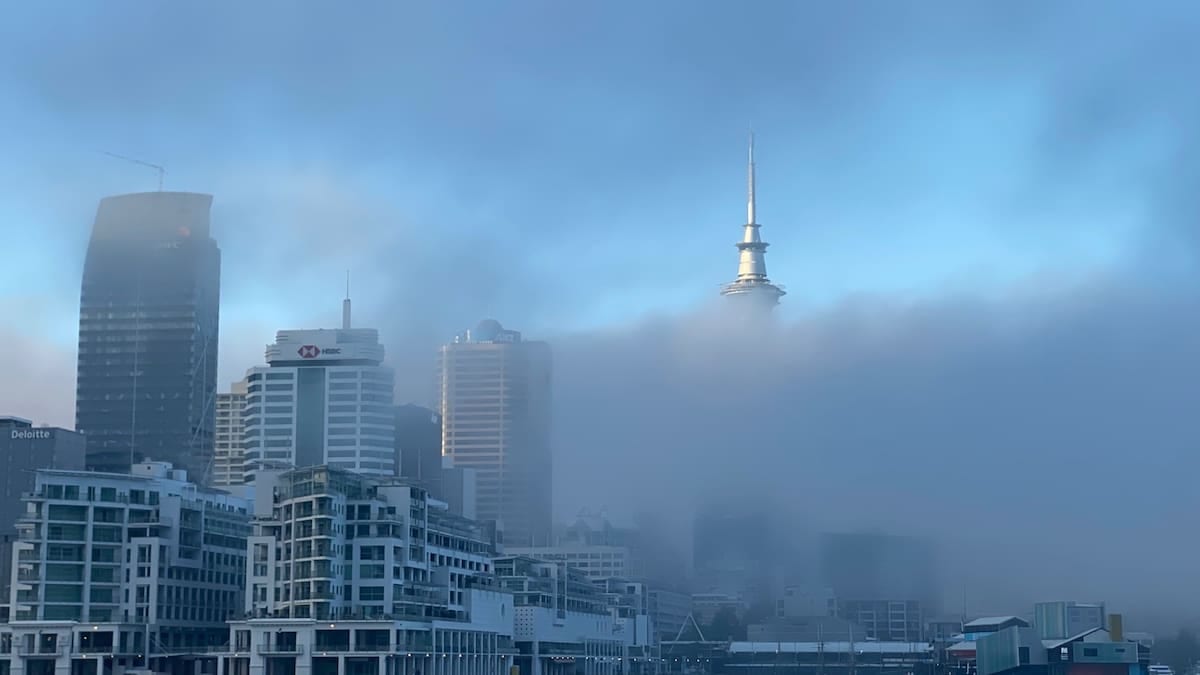
Low visibility slows morning motorway commute
The morning peak began under a blanket of low cloud across much of the Auckland urban area, with motorists reporting patchy but at times very poor visibility on key routes including State Highway 1, the Southern Motorway, and the Northwestern and Southwestern links. Electronic message boards advised drivers to reduce speed and increase following distances as taillights faded quickly into the grey conditions.
Publicly available traffic data indicated slower than usual travel times on several key corridors into the central city, particularly on southbound approaches. While no major crashes were reported in the early part of the commute, safety agencies have previously warned that foggy conditions can increase the risk of nose-to-tail collisions where drivers fail to adjust speeds to the changing visibility.
Conditions varied across the network, with some elevated sections emerging briefly into clearer air before motorists descended again into thick patches of fog closer to low-lying harbour and estuary areas. The fluctuating visibility forced many drivers to rely heavily on road markings and reduced-lane speeds, adding to congestion.
By late morning, live cameras showed gradual improvement on exposed stretches of motorway, although low cloud persisted in pockets near the airport and along sections of the Southwestern Motorway that run through coastal and reclaimed land.
Flight schedule hit as fog lingers over Auckland Airport
The same fog that slowed traffic on the ground also affected aviation, with Auckland Airport’s domestic schedule experiencing a run of disruptions as early departures and arrivals were pushed back or called off altogether. According to published flight information, at least 17 services were either delayed or cancelled during the affected period, most of them short-haul routes connecting regional centres with Auckland.
The airport’s operations are particularly sensitive to low cloud and fog in the early morning bank, when departures are scheduled in tight succession and instruments for take-offs and landings must meet strict visibility thresholds. When those thresholds are not met, aircraft can be held on the ground at their points of origin or placed in holding patterns until conditions improve.
Disruptions in the first wave of morning flights often have a cascading effect for the remainder of the day. Aircraft and crew that fail to reach Auckland on time may not be available to operate subsequent sectors, compounding knock-on delays across the domestic network. Industry reporting on previous fog events in Auckland has highlighted how a single morning of low visibility can echo through the schedule until late evening.
On Tuesday, some services were able to depart once the fog began to thin, but others were removed from the schedule entirely, with passengers rebooked on later flights where capacity allowed. Airlines generally classify such weather-related disruptions as outside their operational control, though they typically provide assistance with rebooking and basic care at the terminal.
Passengers face queues, rebookings and missed connections
For travellers, the murky conditions translated into early wake-up calls followed by long waits. Social media posts from the terminal described crowded check-in areas and departure gates as passengers on delayed services sought updates or alternatives. Many regional travellers rely on Auckland as a transfer hub, and the shifting domestic schedule increased the risk of missed onward connections to larger centres and international destinations.
Publicly available accounts from recent fog events in Auckland suggest that passengers most affected tend to be those on tightly timed itineraries, such as same-day business trips or journeys requiring international transfers. Where flights are cancelled outright, travellers are usually offered seats on the next available service, but those options can be limited when multiple flights on the same route have already sold heavily.
Travel experts generally advise that, during winter mornings when fog is more common, passengers build additional time into any itinerary that depends on Auckland as a connection point. Flexible tickets and travel insurance that specifically covers weather-related disruption are also recommended, particularly for those heading to events, cruises or tours with fixed departure times.
At the terminal, airport staff and airline agents worked through rebooking queues as the morning progressed and more information became available on when conditions might clear sufficiently for normal operations to resume.
Weather pattern typical of mid-winter but impact significant
Meteorological summaries for past winters in New Zealand note that Auckland is prone to episodes of dense morning fog at this time of year, particularly following clear, calm nights when surface temperatures drop and moisture in the air condenses close to the ground. While such events are not unusual, their impact can be far-reaching when they coincide with peak travel periods on both the roads and in the air.
Previous climate reports for July have documented similar disruptions, with fog leading to clusters of cancellations and delays at Auckland Airport on particular days. Those reports highlight how even relatively short-lived fog banks can cause operational challenges in a highly interconnected transport system.
Transport planners and aviation operators typically factor seasonal fog risk into their operational planning, including the positioning of aircraft overnight, the spacing of early morning departures, and the use of instrument landing systems. Nevertheless, on days when visibility falls sharply, there is limited scope to avoid disruption altogether, and the practical focus shifts to safety and orderly recovery once the weather improves.
For Auckland’s road network, Tuesday’s murky start served as a reminder of the importance of driver caution in reduced visibility, and the likelihood of slower commutes whenever thick fog rolls in across the city’s harbours, low-lying suburbs and key motorway corridors.