


Copenhagen appears constantly on lists of Europe’s most liveable and eco-friendly cities, but does it truly deserve a spot on your limited Europe travel bucket list? If you are weighing the Danish capital against classics like Paris, Amsterdam or Berlin, it helps to look past the Instagram shots of colorful canals and ask what Copenhagen is really like to visit in 2026: how much it costs, what you actually do all day, and whether its famously relaxed, design-forward vibe matches your travel style.
Get the latest updates straight to your inbox!
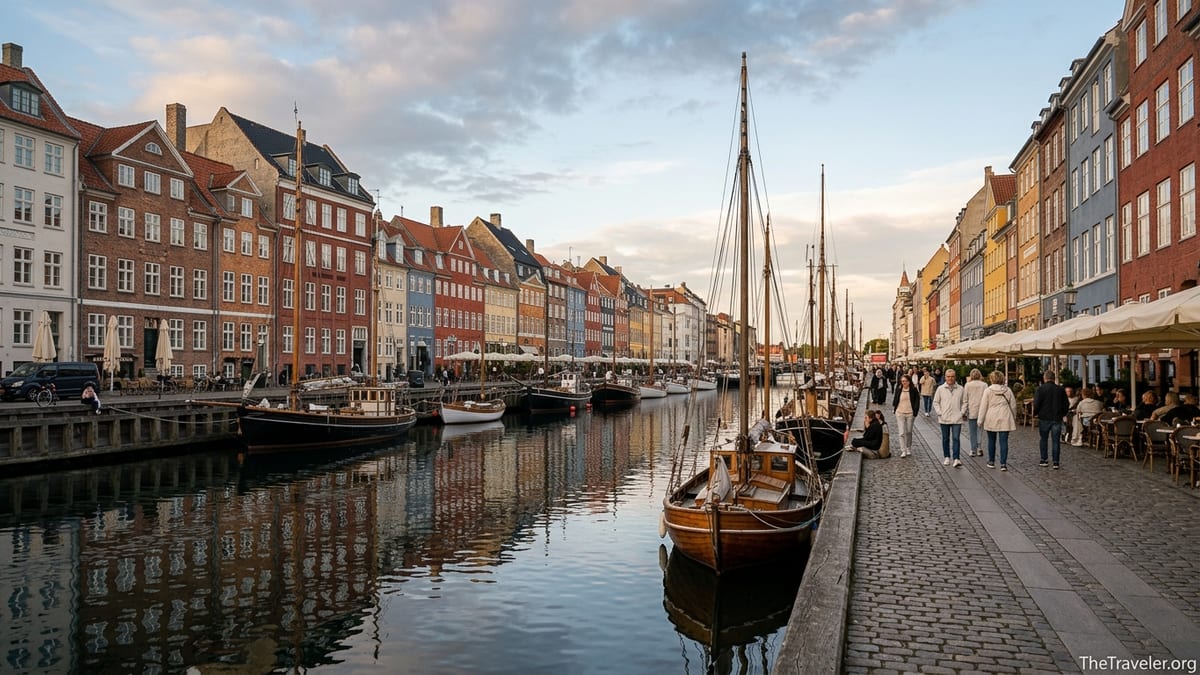
First Impressions: What Copenhagen Feels Like on the Ground
Most visitors first notice how calm Copenhagen feels compared with other European capitals. Even around hot spots such as Nyhavn’s colorful harbor-front townhouses or the streets behind City Hall and Tivoli Gardens, traffic is modest and bicycles outnumber cars by a wide margin. The city’s compact center is walkable, and key neighborhoods like Indre By, Vesterbro and Nørrebro are close enough that you can realistically explore them in a long weekend without spending hours in transit.
At street level, Copenhagen’s personality blends historic and modern in a way that feels quietly confident rather than flashy. You might wander from 17th-century courtyards and spires near Christiansborg Palace straight into glass-fronted design stores on Strøget, then end the evening at a waterfront food hall in the former industrial docks of Refshaleøen. The city’s scale is human-sized: grand enough to feel like a capital, but never overwhelming.
The trade off is that Copenhagen can feel subdued if you crave constant spectacle. There are no vast boulevards like Paris, and nightlife districts are more about cozy bars and small music venues than mega-clubs. For many travelers, that intimacy is precisely the appeal, but if your ideal city break is high-intensity and noisy, Copenhagen may feel restrained compared with, say, Barcelona or Prague.
Copenhagen also projects a strong sense of order. Buses run on time, the metro is spotless, and locals queue without fuss. For some visitors this makes the city feel reassuring and easy to navigate, ideal as a first international trip. For others, particularly those seeking more chaos or unpredictability, it can seem a touch polished. Where you fall on that spectrum is a big factor in whether the city earns a place on your bucket list.
Costs and Value: Is Copenhagen Worth the Price Tag?
Copenhagen is routinely ranked among Europe’s more expensive capitals, and visitors in 2026 continue to feel that. A simple cappuccino in a central cafe commonly runs around 40 to 50 Danish kroner, and a mid-range main course at a sit-down restaurant often falls in the 150 to 250 kroner range before drinks. Hotel rates in summer for well-reviewed three-star options in or near the historic center frequently sit in the 1,200 to 1,800 kroner per night bracket, and Airbnb prices in central neighborhoods often mirror or exceed that.
Transport from the airport is one area where Copenhagen offers strong value relative to other European hubs. The metro from Copenhagen Airport to central stations like Nørreport or Kongens Nytorv takes about 13 to 15 minutes and costs roughly 40 kroner each way with a standard ticket, meaning a couple can be in the city center for around 80 kroner total. A taxi on the same route can run in the region of 250 to 300 kroner, which is still competitive compared with airport taxis in many Western European capitals, but the metro remains the smarter choice for most budgets.
For short city breaks, the local transit passes can soften costs if you plan to move around frequently. A 24-hour City Pass that covers the airport and core zones is typically around 100 kroner, while multi-day options and the broader Copenhagen Card bundle free entry to dozens of attractions with unlimited metro, bus and train use. If you visit attractions with paid entry such as Tivoli Gardens, Rosenborg Castle and the canal tours in a concentrated two or three day period, these passes can bring down your per-activity cost to a more palatable level.
In terms of value, Copenhagen shines when you lean into what it does best rather than trying to recreate a cheaper city’s pace. The everyday experiences that are essentially free, like people-watching along the harbor baths at Islands Brygge, cycling over the sleek Lille Langebro bridge at sunset or browsing the Torvehallerne food market, are what leave a lasting impression. If your bucket list is focused on ticking off lots of high-fee blockbuster sights in a short window, your money may stretch further in cities where major museums and landmarks are either free or lower cost.
Signature Experiences You Can Only Have in Copenhagen
Tivoli Gardens is often the turning point for undecided travelers. This 19th-century amusement park sits right in the center of town, across from the main train station. Entry tickets typically cost a little over 150 kroner for adults, with ride passes additional, but the value lies less in the roller coasters and more in the atmosphere. On summer evenings, fairy lights line the trees, live music plays on outdoor stages, and families linger over shared plates in the garden restaurants. If your bucket list includes unique, historic urban parks, Tivoli easily holds its own alongside places like Vienna’s Prater.
Another defining Copenhagen moment is seeing the city from the water. Classic one-hour canal cruises leave from the Nyhavn harbor or Gammel Strand and wind past the modern Opera House, the Black Diamond library, Christianhavn’s canals and the statue of the Little Mermaid. Tickets generally fall in the 110 to 130 kroner range for scheduled tours, with slightly higher prices for smaller boat companies offering live commentary. Compared with private boat rentals or custom tours, these regular cruises are an efficient way to understand the layout of the city and decide which neighborhoods you want to revisit on foot or by bike.
Food is central to Copenhagen’s identity and a major reason many travelers now prioritize it over other European cities. You do not need to dine at high-end tasting-menu temples to taste New Nordic influences; you can find smørrebrød open-faced sandwiches with seasonal toppings in casual lunch spots, hyper-fresh seafood at street food markets like Reffen, and inventive vegetarian plates in cafes around Nørrebro and Vesterbro. Expect to pay around 90 to 140 kroner for a generous lunch dish at a contemporary canteen-style place, and a bit more for dinner, but the emphasis on local ingredients and thoughtful preparation often makes the meals feel like a highlight rather than a budget regret.
Design and everyday aesthetics are another Copenhagen specialty. Even if you have no plans to buy furniture, wandering through flagship stores of well-known Danish brands or visiting design-focused museums offers insight into the city’s obsession with form and function. Many travelers pair a morning walking the halls of the Designmuseum Danmark or the Danish Architecture Center with an afternoon exploring real-life examples in renovated docklands or the sleek metro stations. If your Europe bucket list has a strong design or architecture angle, Copenhagen arguably belongs near the top tier.
Seasons and Weather: When Copenhagen Shines
Copenhagen’s weather is milder than many travelers expect for a northern city, thanks to its maritime climate, but conditions vary significantly by season. Long-term climate data shows average daytime highs hovering around 3 to 5 degrees Celsius in the depths of winter and climbing to the low 20s Celsius in July and August. The warmest, sunniest stretch for outdoor activities and swimming at harbor baths typically falls from late June through late August, though rain is still possible on any given day.
Spring, particularly May and early June, often hits a sweet spot between manageable crowds and pleasant weather. Daytime temperatures commonly land in the low to mid-teens Celsius, with longer daylight hours that stretch well into the evening. Travelers during this shoulder season report being able to enjoy canal cruises, outdoor cafes and even the occasional brave dip at city beaches like Amager Strandpark without the full crush of peak-summer tourism or the higher hotel rates.
Autumn brings a different charm. September can still feel almost summery, while October and early November trade warmth for golden foliage in the city’s many parks and cemeteries, such as Assistens Kirkegård in Nørrebro. By late November and December, temperatures drop, daylight shrinks and rain or light snow becomes more common, but Copenhagen leans into the dark with Christmas markets, seasonal lights in Tivoli and the cozy, candlelit interiors that underpin the Danish idea of hygge. If your bucket list includes European winter city breaks with a strong festive mood, Copenhagen is a serious contender.
Winter outside the Christmas period can feel harsh for some travelers, with short days and a damp cold that seeps in off the water. However, museum-goers and cafe lovers may appreciate the quiet galleries at the National Museum or the Glyptoteket, and lower accommodation prices often make January and February the most budget-friendly months. The right time to visit Copenhagen, and therefore whether it belongs on your bucket list, depends on whether you imagine yourself basking on a wooden pier under a late-setting sun or leaning into a moody winter of art, coffee and candlelight.
Getting Around: Bikes, Metro and Human Scale
Copenhagen’s transport system is one of the strongest points in its favor for bucket-list travelers who prioritize ease and sustainability. Four driverless metro lines crisscross the city with frequent departures and extended operating hours, connecting the airport, harbor-front areas, business districts and residential neighborhoods. Stations are clean and well signed, and the same tickets and passes generally cover metro, S-trains, buses and even harbor buses, making it simple to switch modes without worrying about separate fare systems.
Biking is more than a novelty here; it is genuinely the default way many locals move around. Wide, protected bike lanes line almost all major streets, and visitors can rent bicycles from dozens of shops or use app-based city bike schemes. For a realistic example, a day’s rental from a neighborhood bike shop commonly costs in the region of 120 to 180 kroner. With that, you can comfortably cycle from City Hall Square to the Little Mermaid statue in under 15 minutes, then over the bridge to hip Christianshavn and Freetown Christiania, all while staying in dedicated lanes.
For less confident cyclists, walking remains a pleasure. The historic center is compact enough that you can string together Rosenborg Castle, the Round Tower, Strøget’s pedestrian shopping street, Nyhavn and the Black Diamond library on a single, well-paced day on foot. If you add in a short harbor bus hop across the water or a quick metro ride back to your hotel, you will still likely clock fewer transit frustrations than in many larger capitals.
Because the city functions smoothly, it can be an excellent “first Europe” destination for travelers who feel anxious about language barriers or complex systems. English is widely spoken, signage is clear, and payment by card or phone is accepted almost everywhere, including on ticket machines for metro passes. If easy logistics rank high on your criteria for a bucket-list city, Copenhagen scores exceptionally well.
Copenhagen’s Culture, Nightlife and Day Trips
Culturally, Copenhagen punches above its weight. Major institutions like the National Museum of Denmark and the Ny Carlsberg Glyptotek present Viking artifacts, classical sculpture and modern art in accessible, well-curated spaces. Rosenborg Castle houses the Danish crown jewels, while Christiansborg Palace allows visitors to step into the ceremonial heart of Denmark’s constitutional monarchy. If your dream Europe trip involves tangible history along with contemporary culture, Copenhagen balances both in a compact radius.
Nightlife trends more intimate than extravagant. In Vesterbro, former red-light streets now house craft beer bars, natural wine spots and small music venues. Nørrebro blends student energy with immigrant-owned eateries and bar-lined side streets buzzing with conversation until late, especially on weekends. While Copenhagen does have clubs, many visitors find their evenings centered on slow dinners, waterfront drinks and walks through lit-up streets rather than all-night dancing. Travelers seeking the party intensity of Berlin or Ibiza may want to pair Copenhagen with a second destination if nightlife is a key bucket-list element.
One of Copenhagen’s advantages for repeat or longer-stay travelers is the ease of day trips. A 35 to 40 minute train ride north delivers you to Helsingør, home of Kronborg Castle, the fortress that inspired Shakespeare’s Elsinore in Hamlet. To the west, the town of Roskilde offers a spectacular Viking Ship Museum and a UNESCO-listed cathedral. Both trips use the same regional train network integrated with Copenhagen’s transit tickets or covered by many versions of the Copenhagen Card, making them simple additions to a three or four day itinerary.
The city’s progressive values and strong LGBTQ+ acceptance also shape its cultural feel. Pride events each August draw visitors from across Scandinavia and beyond, and queer-friendly bars and cafes are integrated throughout central neighborhoods rather than confined to one district. For travelers who prioritize inclusive destinations where they can relax without second-guessing public displays of affection or personal expression, this openness is a compelling reason to move Copenhagen higher up the bucket list.
Who Will Love Copenhagen (and Who Might Prefer Elsewhere)
Copenhagen is particularly rewarding for travelers who appreciate atmosphere, design and food as much as or more than headline attractions. If your ideal day involves starting with coffee and pastry in a sleek bakery, cycling along the harbor, popping into a design museum, taking a late-afternoon swim at a harbor bath and finishing with shared small plates in a candlelit restaurant, the city fits almost perfectly. Couples, solo travelers and small groups of friends tend to find this rhythm natural and satisfying.
Families also fare well, especially with children old enough to enjoy Tivoli’s rides, the Experimentarium science center and interactive exhibits in the National Museum. The safety, clean public spaces and abundance of playgrounds make logistics easier for parents, although the cost of meals and attraction tickets can add up quickly for larger households. Planning around transit passes, self-catered breakfasts and a mix of free parks with paid sights can help balance the budget.
On the other hand, travelers on very tight budgets may find Copenhagen challenging. Backpackers used to hostel dorm rates and cheap street food in Central or Eastern Europe often experience sticker shock here. While there are hostels and budget options, the baseline cost of eating out, going for drinks and visiting attractions remains high compared with places like Budapest, Warsaw or Lisbon. If you are counting every euro, you might save Copenhagen for a future trip when you can afford to enjoy it more fully.
Similarly, visitors who rank “iconic bucket-list landmarks” above all else might feel underwhelmed. Copenhagen’s Little Mermaid statue, for instance, is famous but modest in person, and there is no equivalent of the Eiffel Tower or Colosseum that dominates the skyline. The city’s beauty is cumulative and understated, revealed through repeated moments of charm rather than one jaw-dropping reveal. If that slow-burn appeal resonates, Copenhagen deserves a spot on your list. If you prefer one-and-done statement sights, you may prioritize other cities first.
The Takeaway
So should Copenhagen make it onto your Europe travel bucket list? For many travelers, the answer is yes, especially if you value ease of movement, safety, design-conscious spaces and a food scene that consistently over-delivers. The combination of a swift and affordable metro from the airport, walkable neighborhoods, bike-friendly infrastructure and diverse cultural offerings create a city break that feels both relaxing and enriching.
However, Copenhagen is not a universal fit. Its higher prices, understated landmark roster and often subdued nightlife mean that it will not satisfy every vision of a dream European escape. If your priorities lean toward big, show-stopping monuments, late-night clubbing or ultra-budget travel, you might place Copenhagen slightly lower on the list or pair it with a second destination that fills those gaps.
Seen clearly, Copenhagen is less a city of extremes and more a place where everyday life looks and feels unusually considered. If that idea appeals to you, it is worth planning at least three full days here, timing your visit for late spring, summer or cozy pre-Christmas weeks, and budgeting enough to enjoy its cafes, canals and cultural institutions without constant money stress. In the end, Copenhagen belongs on your bucket list not because it shouts the loudest, but because it quietly delivers a style of urban experience you will likely remember long after you have left.
FAQ
Q1. Is Copenhagen too expensive for a short Europe trip?
Copenhagen is undeniably on the pricey side, especially for dining and accommodation, but a three or four day visit can be manageable if you plan ahead, use transit passes, balance restaurant meals with market or supermarket options, and focus on a mix of free experiences and a few carefully chosen paid attractions.
Q2. How many days do I really need in Copenhagen?
For first-time visitors, three full days is usually enough to see the main sights such as Nyhavn, Tivoli Gardens, Rosenborg Castle and a canal tour, while also exploring at least one or two neighborhoods beyond the historic center; adding a fourth or fifth day allows for a relaxed pace or a day trip to Roskilde or Helsingør.
Q3. What is the best time of year to visit Copenhagen?
The most popular and comfortable period is from late May to early September, when temperatures are milder and daylight is long, but shoulder months like May and September can be excellent for avoiding peak crowds, and late November and December are ideal if you want Christmas markets and a cozy winter atmosphere.
Q4. Is Copenhagen a good destination for solo travelers?
Yes, Copenhagen is very friendly for solo travelers thanks to its safety, widespread English, reliable public transport and compact layout; it is easy to meet people in hostel common areas, at food markets or by joining walking and cycling tours, while also feeling secure exploring on your own at most hours.
Q5. Do I need to rent a bike, or is walking enough?
Walking is sufficient for seeing the historic center and many key sights, but renting a bike for at least one day gives you a more local perspective and lets you cover more ground, especially to reach areas like Refshaleøen, the harbor baths or some of the farther parks without spending time on buses or trains.
Q6. Is Copenhagen family-friendly?
Copenhagen works very well for families, offering child-friendly attractions such as Tivoli Gardens, playgrounds in most parks, interactive museums and safe, clean public spaces; the main challenges are the higher cost of eating out and tickets for multiple family members, so careful budgeting and the use of city cards can help.
Q7. How easy is it to get from the airport to the city center?
It is extremely straightforward, as the metro and trains run directly from the airport terminal to central stations in about 15 minutes, with tickets costing roughly the same as a regular city journey, so most visitors can avoid more expensive taxis unless arriving very late at night or carrying heavy luggage.
Q8. Is English widely spoken in Copenhagen?
Yes, most people working in hotels, restaurants, shops and transport speak fluent English, and signage is commonly bilingual, so visitors who do not speak Danish typically have little trouble navigating the city, buying tickets or asking for directions.
Q9. Are there good day trips from Copenhagen?
Several excellent day trips are reachable by train within an hour, including Helsingør with Kronborg Castle, Roskilde with its Viking Ship Museum and cathedral, and coastal towns along the Øresund; these are easy to add to an itinerary and help justify a longer stay in the region.
Q10. Should I choose Copenhagen over other popular European capitals?
Whether Copenhagen should come before cities like Paris, Rome or Amsterdam on your bucket list depends on your priorities; if you value calm, design, food, sustainability and easy logistics more than blockbuster monuments and intense nightlife, Copenhagen may well deserve a top spot, but if you seek iconic ancient ruins or all-night clubs, you might visit it after those other destinations.