


More news on this day
Could not load contentReports of Houthi missile and drone activity aimed at Saudi Arabia’s Red Sea coast, including the industrial port city of Yanbu, are sharpening travel risks across the region this morning, as U.S. diplomatic posts circulate fresh security alerts and Washington maintains a heightened travel advisory posture for the kingdom.
Get the latest news straight to your inbox!
What happened in Yanbu and why it matters for travelers
Over the weekend, published coverage described an intensifying exchange tied to the conflict spilling across the Red Sea corridor, with Yemen’s Iran-aligned Houthis claiming strikes toward targets in Saudi Arabia, including facilities in Yanbu. Separate reporting described Saudi defenses attempting to counter incoming threats, with Yanbu repeatedly mentioned alongside other locations, underscoring how far north Houthi operations have been portrayed as reaching.
For travelers, Yanbu’s name carries outsized significance because it is more than a coastal city. The Yanbu area links to major energy and industrial infrastructure and sits on the Red Sea travel and logistics axis that also connects to cruise itineraries, diving and resort traffic, and overland routes between coastal communities and major cities farther inland.
Even when incidents do not directly affect tourist districts, the travel impact can show up quickly through airspace adjustments, heightened security postures at airports and seaports, and abrupt changes to transportation schedules.
U.S. warnings: from broad travel advisories to city-specific restrictions
U.S. messaging over the past week has combined a standing country-level advisory with short-notice security alerts that emphasize the possibility of rapid escalation and knock-on travel disruption. In mid-September, the U.S. State Department kept Saudi Arabia at a Level 3 advisory, urging travelers to reconsider travel and highlighting risks that include missiles and drones, regional conflict, terrorism concerns, and other legal and security issues relevant to visitors.
In addition, U.S. mission security alerts circulated across parts of the Middle East have pointed Americans to anticipate potential flight cancellations, airspace closures, and broader travel disruptions. Some alerts have also referenced additional internal restrictions affecting U.S. government personnel travel to certain locations, with Taif and Yanbu specifically highlighted in published coverage as requiring special authorization for U.S. government employees.
For the average traveler, these advisories do not automatically mean borders are closed or that commercial flights have stopped. They do, however, signal an elevated likelihood that plans may change quickly, and that travelers should treat airline notifications, airport operational updates, and travel insurance conditions as central to trip planning rather than afterthoughts.
How the Red Sea security picture can affect flights and itineraries
When tensions rise in and around the Red Sea and Gulf of Aden, impacts can radiate well beyond the immediate coastline. Air routes may be adjusted to avoid certain corridors, which can change flight times, increase fuel stops on longer routes, or reduce the reliability of tight connections through major hubs.
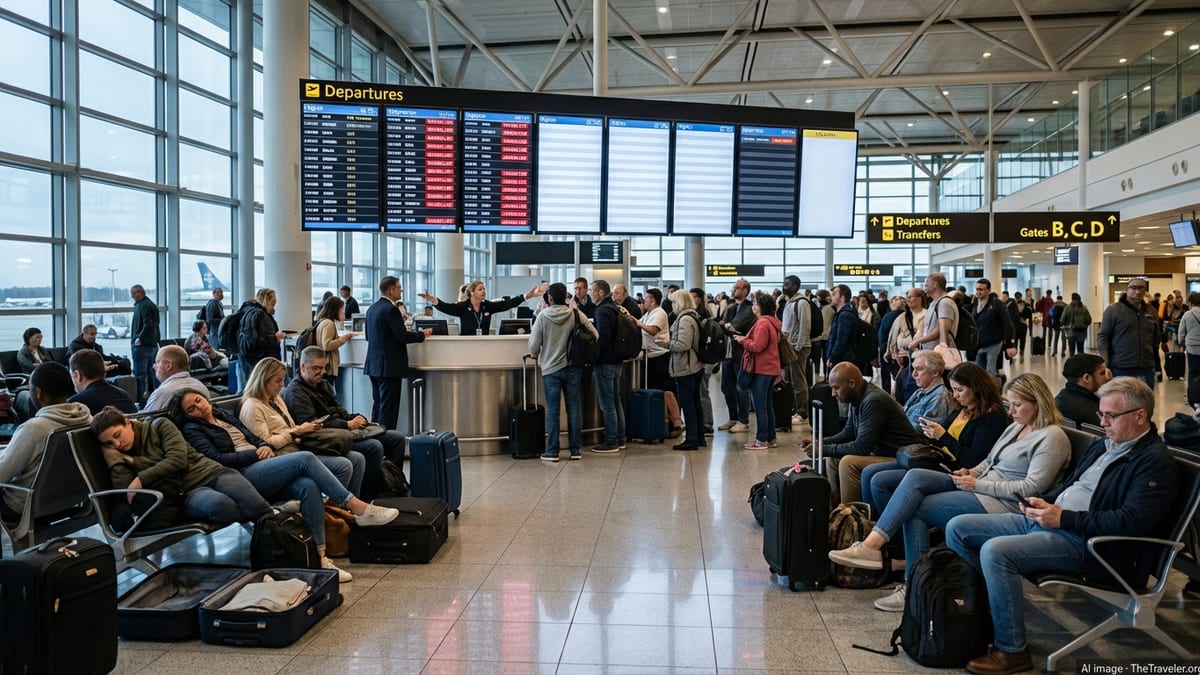
Travel disruptions can also emerge from temporary constraints around airports, heightened security screening, or precautionary limits that affect staffing and ground operations. That can translate into longer queues, last-minute gate changes, or rebookings that cascade through regional networks, especially for travelers transiting through Gulf hubs en route to Europe, Africa, or Asia.
Sea travel is exposed as well. U.S. maritime advisories have repeatedly flagged the Red Sea and the Bab el-Mandeb Strait as risk areas, and previous advisories have noted incidents reaching unusually far north for shipping activity near the Saudi coast. While this is more directly relevant to commercial operators, it can also affect cruise routing, port calls, and the availability of certain ferry or small-vessel excursions depending on local decisions by operators and port authorities.
Practical travel considerations for Saudi Arabia right now
Travelers with upcoming plans to Saudi Arabia, including Red Sea destinations, can reduce risk by planning for disruption rather than assuming normal operations. That means building buffer time into itineraries, avoiding tightly stacked connections, and maintaining flexible hotel and transport bookings where possible.
It is also worth reviewing what the current U.S. advisory level means in practice for insurance coverage and employer travel policies. Some policies treat higher advisory levels as triggers for narrower benefits or different cancellation terms, so travelers may want to confirm coverage details before departure rather than during a disruption.
Finally, travelers should be cautious about the digital and legal environment described in U.S. guidance, including sensitivities around social media activity and local laws. In a fast-moving security environment, staying informed is important, but travelers can still minimize avoidable complications by keeping public posts factual, non-inflammatory, and consistent with local regulations.
What to watch next: signals that conditions are changing
In the near term, the most practical indicators for travelers are operational rather than geopolitical: airline schedule changes, airport advisories, and any notices about airspace restrictions. If multiple carriers begin preemptively offering fee-free changes for certain routes, that can be an early sign of anticipated disruption even before cancellations show up.
Travelers should also monitor updates to U.S. messaging, including security alerts from U.S. missions in the region and any changes to the State Department’s Saudi Arabia advisory history. These updates often summarize the types of disruptions being observed, such as flight interruptions, and can help travelers decide whether to postpone nonessential trips or adjust routes away from affected corridors.
For those already on the ground, the immediate priority is resilience: keep documents accessible, maintain a conservative timeline for airport arrival, and be prepared for sudden changes to transportation availability. Even if an incident is geographically distant, the travel system effects in a region-wide escalation can be swift.