

More news on this day
Several governments have begun scaling back their strict “do not travel” warning for Dubai and the wider United Arab Emirates, a move that eases a months-long clampdown on non-essential trips while still urging travelers to exercise significant caution.
Get the latest news straight to your inbox!
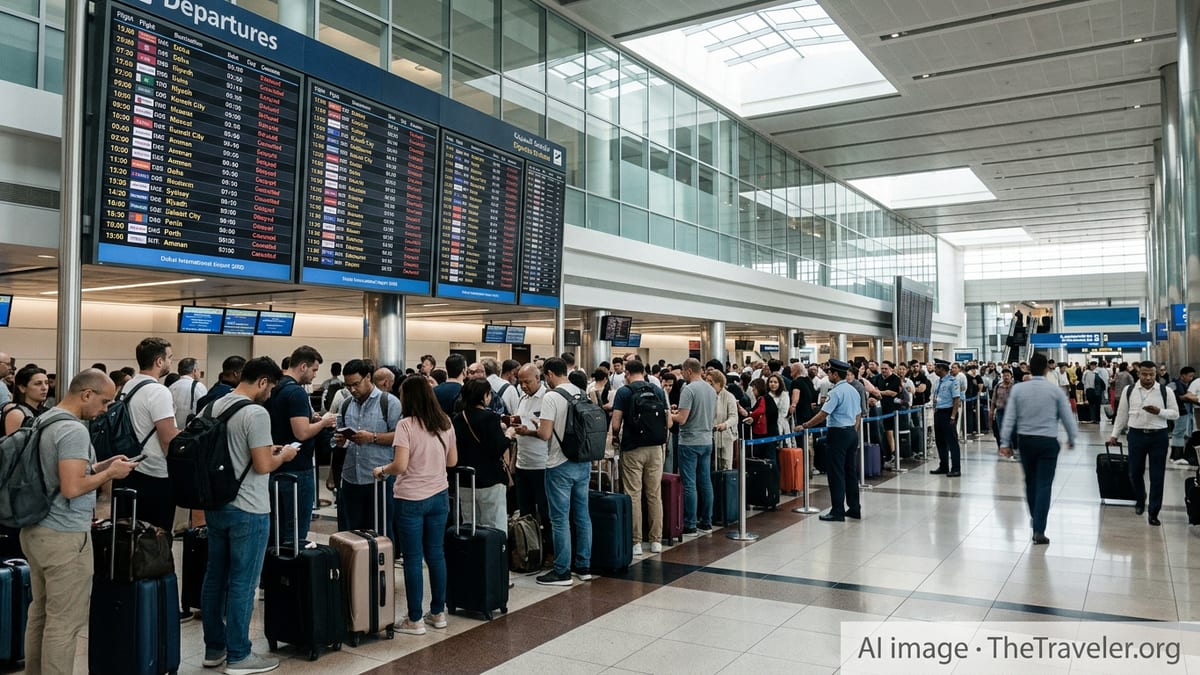
What Has Changed in the Dubai Travel Advisories
The most notable recent shift comes from Australia, where publicly available information shows that the previous Level 4 “Do Not Travel” advice for the United Arab Emirates has been downgraded. The revised guidance now aligns the UAE with a “reconsider your need to travel” category, reflecting a lower but still elevated level of risk across the region.
Reports indicate that similar recalibrations are taking place among other governments that had imposed their toughest warnings on Gulf hubs, including Dubai, when regional tensions escalated earlier in the year. Coverage of the changes describes a coordinated move away from blanket bans toward more nuanced, tiered assessments that distinguish the UAE from the most volatile neighboring states.
The shift does not mean Dubai is being treated like a low-risk destination. In most advisory systems, the new status still sits one step below the highest warning and above routine caution levels. Governments continue to stress that the regional security environment can deteriorate rapidly, and future changes to the advice remain possible if conditions worsen.
Nonetheless, the removal of the strict “do not travel” label is symbolically significant for Dubai. It signals that key capitals no longer view travel to the city as inherently unacceptable for their citizens, reopening space for business, transit and eventually leisure trips that had been paused or heavily discouraged.
Impact on Airlines, Insurance and Transit Traffic
The downgrading of travel alerts is expected to be especially important for Gulf-based airlines that rely on Dubai as a long-haul transit hub. Industry-focused coverage suggests that moving the UAE out of the highest-risk category may reduce disruptions to corporate travel policies and restore some confidence among passengers who were rerouting to avoid the Gulf.
Travel insurers and corporate risk managers closely track government advisories, and “do not travel” ratings often trigger automatic exclusions in many policies. With Dubai now generally classified at an intermediate warning level, insurers in some markets may resume offering broader coverage for trips that include the city, although war and civil unrest exclusions are likely to remain in force.
Transit passengers stand to benefit as well. During the height of the restrictions, travelers reported difficulties obtaining coverage for itineraries routed through Dubai, even for short layovers. The updated guidance reduces the administrative and financial hurdles for those whose only time in the UAE is in the airport, particularly on routes between Europe, Asia and Africa where Dubai has long been a key connecting point.
Airlines and booking platforms are still advising passengers to monitor their own government’s latest advisories, as levels and wording can vary between countries. Travelers planning to rely on insurance protection are being encouraged in public guidance to confirm how policy terms respond to the new, but still cautious, risk assessments.
What the New Advice Means for Tourists and Business Travelers
For leisure visitors, the dropping of “do not travel” language removes a major psychological and practical barrier to planning a trip to Dubai. Tourism boards and industry analysts describe the change as an important step toward rebuilding visitor confidence, even as most governments continue to discourage non-essential travel during periods of heightened tension.
Business travelers may feel the effects more quickly. Many companies tie their internal travel approvals directly to official advisory levels. Under a strict “do not travel” classification, only critical or emergency journeys are typically allowed, often requiring senior sign-off. With the UAE now moved to a mid-range tier in several systems, firms have more scope to authorize routine corporate travel, conferences and site visits, subject to their own risk assessments.
However, travelers are being reminded that a downgrade from “do not travel” does not equate to an all-clear. Advisory language still highlights potential threats tied to regional instability, and recommends detailed route planning, registration with consular services, and flexible booking options. Publicly available guidance also notes that sudden airspace closures, airport disruptions or shifts in security posture remain possible.
Prospective visitors are therefore being urged to build contingency plans into their trips. That can include selecting fully refundable fares where possible, checking hotel cancellation policies, and ensuring access to alternative routes should flights through Dubai be affected at short notice.
Regional Context and Remaining Hotspots
The easing of advice for Dubai is occurring alongside a broader reshaping of Middle East travel warnings following diplomatic efforts that have reduced the immediate risk of wider conflict. According to recent coverage, several Gulf transit hubs now sit in advisory tiers that permit essential or business travel while stressing elevated caution.
At the same time, neighboring states continue to carry the strictest warnings. Public advisory maps still mark countries such as Lebanon and parts of Iraq and Syria at “do not travel” levels, reflecting ongoing concerns about armed conflict, missile activity and limited consular access. This contrast underscores that while Dubai’s status has improved, it remains situated within a region where conditions can change quickly.
Analysts note that the revised ratings for the UAE and other Gulf states appear designed to balance recognition of improved stability with a desire to avoid underestimating residual risks. Governments are signaling that they no longer see Dubai as equivalent to active conflict zones, yet they are also avoiding language that might encourage a rapid surge of discretionary tourism into an environment that still carries uncertainties.
Travelers are therefore being advised to treat the new guidance as a partial opening rather than a full return to pre-crisis norms. Careful monitoring of regional developments, route-specific airline notices and airport operations remains an important part of trip planning for anyone heading to or through Dubai in the coming months.
Practical Steps for Those Planning a Trip Now
For individuals weighing whether to book or proceed with a trip, publicly available travel-risk advice suggests starting with the latest notice from their own government and reading the detailed country page for the UAE, not just the headline level. The fine print often spells out which areas, activities or types of travel are of greatest concern.
Specialist travel-security briefings recommend verifying airline schedules and any recent operational changes affecting flights into Dubai, paying close attention to potential rerouting around sensitive airspace and the possibility of longer journey times. Some carriers are offering additional flexibility through fee waivers and credits for passengers who decide to postpone travel while conditions remain fluid.
Insurance documents also warrant close scrutiny. Even with the removal of the “do not travel” label, exclusions linked to war, terrorism or government travel bans may still apply. Travelers are being encouraged to confirm in writing what scenarios are covered, including medical evacuations and trip disruptions tied to sudden changes in security conditions.
Ultimately, the decision to travel to Dubai now sits more squarely with individual travelers and organizations than it did when a formal “do not travel” warning was in place. The latest advisory changes open the door to more movement but stop short of declaring the destination low risk, reinforcing the need for informed, up to date planning before departure.