


More news on this day
Passengers connecting through Doha in recent days have faced widespread disruption, with hundreds reporting missed connections and overnight delays as flight schedules linking Qatar with the United Kingdom, Germany, India and other destinations were hit by cascading operational problems.
Get the latest news straight to your inbox!
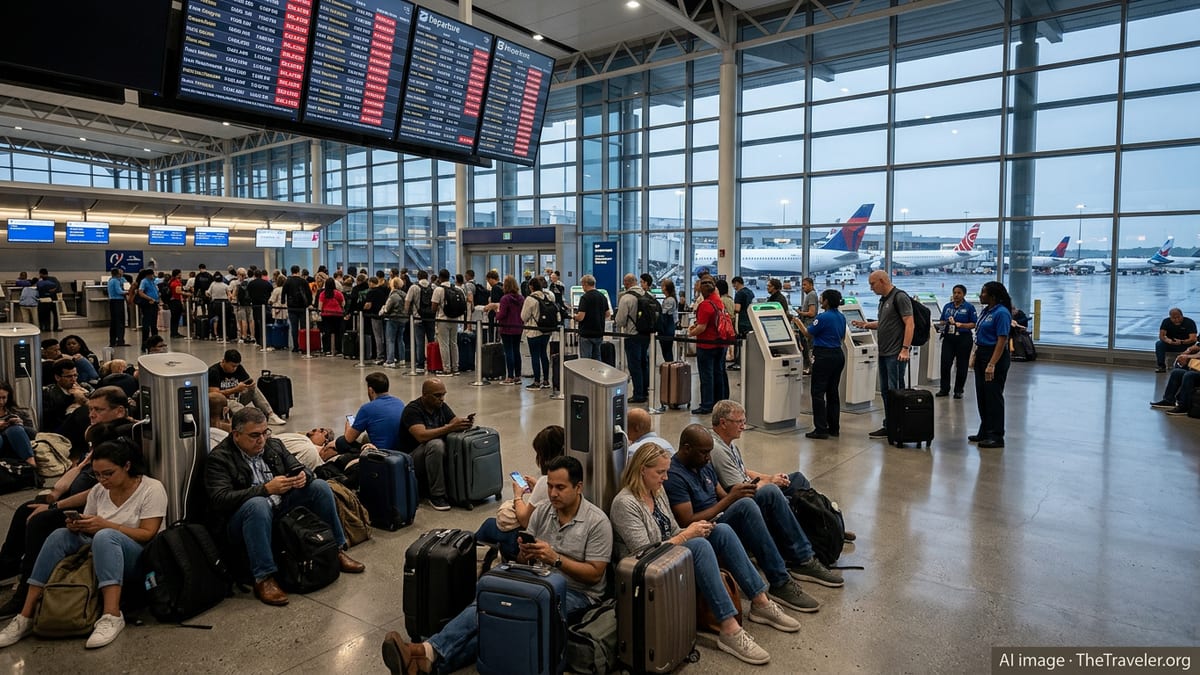
Chain Reaction of Delays From Doha Hub
Publicly available flight tracking data and disruption reports show Doha’s Hamad International Airport struggling with a ripple effect of delays and cancellations that intensified over the weekend and into early this week. While the airport remained open and broadly operational, individual route disruptions added up to significant inconvenience for travelers relying on Doha as a key Middle East hub.
Across a 24 hour window, data compiled from multiple flight status platforms pointed to roughly 192 delayed departures and arrivals involving Doha-linked itineraries, alongside at least four outright cancellations. These disruptions primarily affected long haul services connecting Qatar with major European gateways, including airports in the United Kingdom and Germany, as well as high demand corridors to India and other parts of Asia.
The operational snags left many passengers stranded mid journey, particularly those with tight layovers who missed onward connections after initial segments ran late. Travelers reported extended stays in transit areas, last minute gate changes and uncertainty over rebooking options as airlines worked to re thread complex schedules during an already busy summer peak.
Observers note that while the headline numbers appear modest compared with full scale airspace closures seen earlier this year, the concentration of delays around a single global hub magnified the impact. Even short holdups on departures from Doha to Europe and South Asia quickly translated into missed onward flights and disrupted itineraries across multiple continents.
Europe and UK Routes Among the Hardest Hit
Routes between Doha and key European cities, including London and several German airports, featured prominently among the disruptions. Live status boards and tracking services highlighted a cluster of delayed and cancelled flights on these corridors, reflecting both long haul complexity and the tight turnaround times built into many schedules.
In Germany, passengers bound for Doha from major hubs such as Hamburg reported cancellations on services operated with widebody aircraft, forcing last minute changes to travel plans. Some travelers attempting to connect onwards to Asia or the Gulf from German airports were left seeking alternative routings via other European hubs when direct Doha services did not operate as planned.
In the United Kingdom, heavily used summer routes between Doha and London experienced rolling delays that pushed arrivals and departures well outside their scheduled time slots. Even where flights eventually operated, the late running of inbound services had knock on effects for those with same day onward connections to destinations across the Middle East, Africa and the Indian subcontinent.
These European disruptions came against a backdrop of already stretched airline and airport resources during the peak holiday period. Industry analysts note that when a hub operation is operating near capacity, any unplanned schedule changes can quickly propagate, limiting the ability to absorb further shocks such as weather events, crew rotation issues or en route airspace constraints.
Indian Subcontinent and Asian Connections Disrupted
The knock on impact from Doha also reached routes connecting Qatar with India and wider Asia, with passengers on multi segment itineraries reporting missed connections and extended layovers. Travel forums and social media posts described travelers bound for Indian cities facing long waits in Doha after inbound flights from Europe arrived significantly behind schedule.
India bound services are a key part of Doha’s role as a transfer hub, linking European, North American and Middle Eastern origin points with multiple destinations across the subcontinent. When an initial leg into Doha is delayed, there is often limited slack in the system to hold onward departures, especially during busy periods where aircraft are tightly scheduled and airports face slot and curfew restrictions.
Some travelers found themselves rebooked on later departures to Indian metros, while others were advised to reroute through entirely different hubs. Similar patterns emerged on certain Southeast Asian connections, where delayed arrivals into Doha risked missing once daily onward flights, turning what should have been a single overnight transit into a two day journey.
Air travel specialists emphasize that these kinds of cascading disruptions are particularly challenging for passengers traveling with families or on time sensitive trips, such as business engagements or onward cruise departures. Even where airlines offer hotel accommodation or meal vouchers, the loss of valuable time and the uncertainty surrounding revised arrival times can be difficult to quantify.
Operational Strains in a Region Still on Edge
The latest wave of Doha linked disruptions is unfolding against a broader regional backdrop in which Middle East airspace and airport operations remain sensitive to geopolitical tension, weather patterns and high traffic volumes. Earlier phases of the year saw large scale airspace closures and widespread cancellations across several Gulf states following missile strikes and security incidents, underlining the vulnerability of aviation networks in the region.
While current reports indicate that Hamad International is functioning as an open and active hub, analysts suggest that airlines are still operating with less margin for error than before, due to altered routings, longer flight times and tighter crew rotations. When combined with the seasonal surge in passenger demand and ongoing aircraft allocation changes, even routine operational issues can produce outsized effects.
Aviation observers note that the mix of long haul, high capacity aircraft operating through Doha increases both the stakes and the complexity when something goes wrong. A single delayed widebody departure can carry hundreds of passengers with onward connections, multiplying the number of itineraries affected if a disruption is not quickly contained.
The current pattern of 192 delays and four cancellations over a short period does not match the scale of earlier crisis peaks, but it underscores how sensitive global travel flows remain to scheduling shocks at major hubs. Travelers transiting Doha in the coming days are being advised by travel agents and consumer advocates to monitor flight status closely and to allow extra buffer time where possible.
Rights, Remedies and What Stranded Travelers Can Do
The latest disruptions have renewed attention on what recourse passengers have when flights linked to Doha are significantly delayed or cancelled. Consumer rights organizations highlight that protections vary depending on the origin and operating carrier. For flights departing from airports in the European Union or the United Kingdom, passengers on disrupted services may be covered by regional compensation rules that apply even when the airline is based outside Europe.
Under these frameworks, travelers on flights from EU and UK airports to Doha who experienced lengthy delays or cancellations may, in some cases, be entitled to financial compensation in addition to rerouting or refunds, provided the disruption was not caused by extraordinary circumstances such as severe weather or airspace closures. However, the application of these rules to complex, multi segment itineraries can be intricate and often requires case by case assessment.
For passengers starting their journeys in Qatar, India or other non European countries, the remedies typically focus on rebooking on the next available service, refunds for unused segments, and, where applicable, the provision of meals and accommodation during extended waits. Publicly available airline policies specify that travelers facing overnight delays may receive hotel arrangements, but actual experiences can vary based on local capacity and the nature of the disruption.
Travel experts recommend that passengers caught up in the recent Doha related disruption keep detailed records of boarding passes, booking confirmations and any written communications about delays or cancellations. This documentation can be important when submitting claims to airlines, seeking assistance from travel insurers, or pursuing potential compensation under regional regulations that apply to particular segments of the journey.