


More news on this day
A Wednesday morning collision between a van and a freight train in Hobart, Indiana left one person dead and sent a column of black smoke over a neighborhood rail crossing, according to multiple local reports.
Get the latest news straight to your inbox!
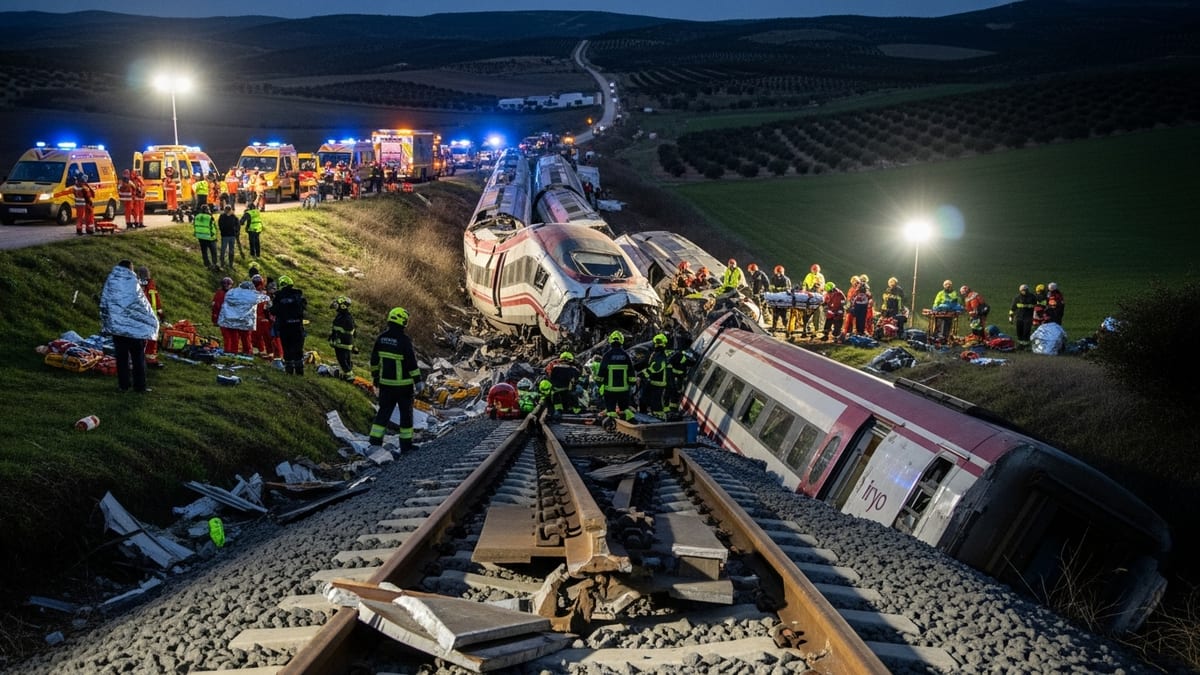
Morning commute turns deadly at neighborhood crossing
Publicly available information indicates the crash happened shortly before 9 a.m. Wednesday at the rail intersection near 3rd and Colorado streets, a residential area where a freight line cuts across local roads used by commuters and school traffic. Initial reports describe a routine midweek morning that changed abruptly when a train struck a van entering the crossing.
Coverage from regional outlets notes that witnesses described a loud impact followed by flames and thick smoke rising from the vehicle as it was pushed along the tracks by the moving train. Emergency crews were dispatched within minutes as nearby residents reported the fire and blocked roadway.
Responders arriving at the scene encountered the van heavily damaged and burning near the tracks, with the freight train stopped a short distance from the point of impact. Despite efforts to reach the driver, publicly available accounts state that the person in the van was pronounced dead at the scene.
The train itself did not derail, and there were no immediate reports of injuries among the train crew. Rail traffic through the crossing was halted while the fire was brought under control and the area secured.
Fire, smoke and extensive damage at the scene
Images and video from the crash area shared in local coverage show the van engulfed in flames, with a dark plume of smoke visible from several blocks away. The front of the vehicle appears crushed and twisted, consistent with a high-speed impact followed by the force of the train pushing it along the rails.
Reports indicate that firefighting crews worked quickly to contain the blaze, using multiple hose lines to extinguish flames around the van and adjacent brush. The burned-out shell of the vehicle remained on the tracks for some time as investigators documented the scene.
The intensity of the fire prompted temporary closures of nearby streets as crews managed both the active flames and residual hot spots around the crossing. Residents in the area described traffic backing up on surrounding roads as drivers were diverted away from the blocked intersection.
Even after the fire was extinguished, responders remained at the location to assess potential damage to rail infrastructure, crossing equipment and overhead lines, which can be affected by sustained high heat during such incidents.
Investigation focuses on crossing dynamics and timing
According to published coverage, local and rail investigators have opened a joint review to determine how the van and train came to be in the crossing at the same time. Key questions include whether the driver attempted to cross after warning devices activated, and how much time elapsed between the activation of lights or gates and the moment of impact.
Freight lines running through Hobart are part of a heavily used corridor linking industrial and distribution hubs across northwest Indiana and the greater Chicago region. Trains in this area can be long and slow to stop, making the timing and visibility of crossing protections central to any safety review.
Investigators typically analyze data from the locomotive, examine signal logs, and review any available traffic or security camera footage near the crossing. They also inspect the condition of roadway markings, signage, and the alignment of the tracks and road, looking for factors that may have contributed to the driver’s approach and decision-making.
Public reports note that while the full findings may take weeks or months, the early investigative phase has already resulted in extended closures at the crossing as measurements are taken and debris is cleared.
Rail and road disruption for Hobart travelers
The crash brought both local traffic and freight movement to a standstill along the affected stretch of track, with drivers in Hobart facing detours and delays through much of Wednesday. Commuters heading to jobs, schools, and nearby highways encountered barricades on streets feeding into the 3rd and Colorado area.
Rail schedules also experienced disruptions as the freight train involved remained stationary during the on-site investigation. Other trains traveling the same line were held or rerouted, leading to knock-on effects across the regional freight network for several hours.
For residents who regularly pass through this part of Hobart, the prolonged closure highlighted how dependent daily routines are on the safe functioning of at-grade rail crossings. Local reports describe motorists turning around at barricades and searching for alternate routes through residential streets not designed for heavier traffic volumes.
As crews worked to restore normal operations, rail officials and road managers coordinated to ensure the tracks and crossing equipment were safe before reopening, a process that typically includes testing signals, inspecting rails, and clearing remaining debris.
Renewed attention on rail crossing safety
The fatal crash adds to a broader national conversation about the risks at rail crossings where vehicle traffic intersects with freight and passenger trains. Transportation safety agencies have long identified such locations as among the most hazardous points in the ground transport system, particularly where sightlines are limited or drivers are accustomed to frequent train movements.
In communities like Hobart, where residential neighborhoods and industrial corridors sit side by side, crossings may see a mix of local drivers, commercial vehicles, and school or transit vans throughout the day. Safety campaigns in similar regions have urged motorists to treat warning lights and gates as absolute stop signals and to wait for trains to clear fully before proceeding.
According to publicly available federal data, hundreds of collisions between vehicles and trains occur each year across the United States, often resulting in severe injuries or fatalities because of the weight and stopping distance of trains. The Hobart crash fits a pattern in which a single moment of misjudgment or distraction at a crossing can have irreversible consequences.
Local coverage indicates that officials are expected to review whether additional safety measures, driver education efforts, or engineering changes could further reduce risk at this and other crossings in the region, as the community absorbs the loss from Wednesday’s fiery collision.