


More news on this day
A recent incident involving an allegedly intoxicated Carnival Cruise passenger accused of striking children onboard has renewed scrutiny of alcohol policies and child safety measures across the cruise industry.
Get the latest news straight to your inbox!
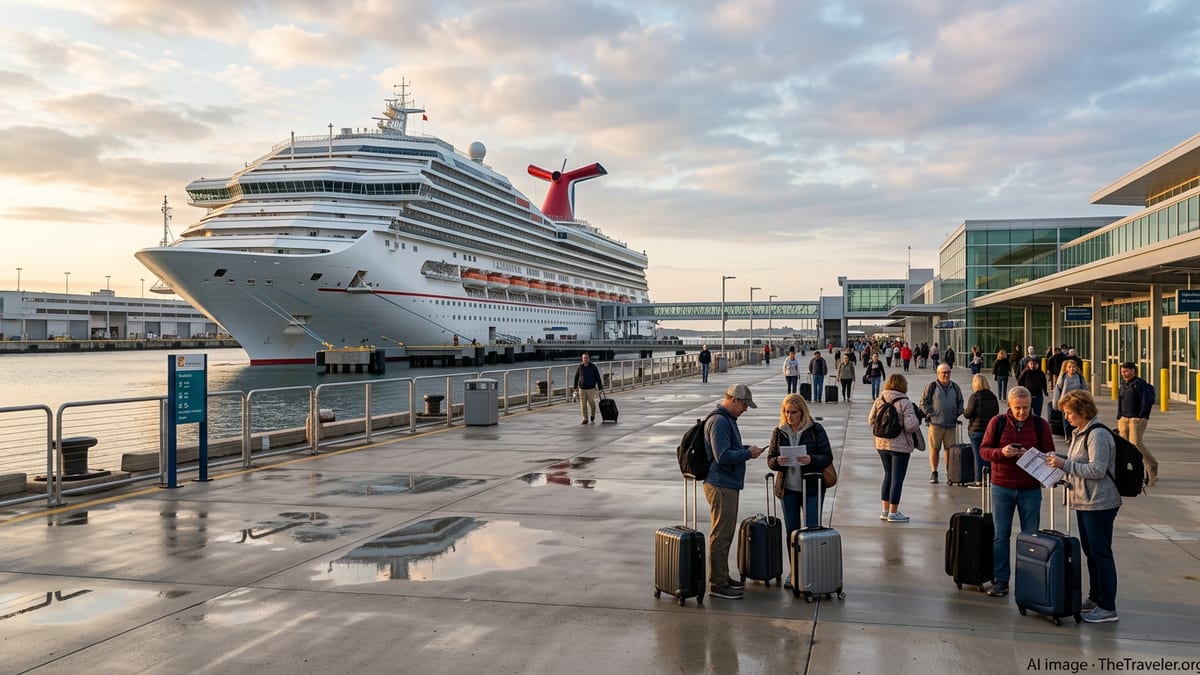
Allegations of Violence in a Family Setting at Sea
According to published coverage, the passenger became heavily intoxicated during a sailing marketed as family friendly, before allegedly lashing out at nearby children. Reports indicate that the confrontation unfolded in a public area of the ship where families had gathered, turning what should have been a routine moment onboard into a disturbing scene.
Witness accounts described in news reports say the individual appeared unsteady and belligerent prior to the alleged assault. The passenger is accused of approaching a group of young people and striking at least one child in the face, prompting bystanders to intervene and alert shipboard security.
Publicly available information indicates that the ship’s security personnel separated the passenger from the families involved and initiated a formal incident report. The passenger was held for the remainder of the voyage so that the matter could be referred to law enforcement at the next U.S. port of call.
Arrest at Port and Criminal Charges
Reports indicate that the traveler was taken into custody when the Carnival ship reached port in Florida, where local and federal agencies share jurisdiction over alleged crimes at sea involving U.S.-based cruise lines. Public booking records reviewed in local media show that the passenger faces counts related to battery and child abuse, reflecting allegations that minors were targeted in the altercation.
News coverage of the case notes that the arrest followed an onboard investigation that included interviews with multiple witnesses and review of surveillance footage from cameras positioned in corridors and public spaces. These materials are expected to play a central role as prosecutors assess the severity of the charges and whether additional counts are warranted.
Legal analysts quoted in broader discussions about cruise crime point out that cases involving children can attract more serious penalties, especially when alcohol is involved. Even a single strike that leaves no lasting injury can still lead to significant criminal exposure if prosecutors determine that vulnerable passengers were intentionally placed at risk.
Spotlight on Alcohol Policies and Responsible Service
The case has reignited debate over how cruise lines manage alcohol consumption on large resort-style ships. Carnival, like many major operators, promotes a vacation atmosphere where bars, lounges and themed events are central to the onboard experience. At the same time, the brand markets itself heavily to families, with extensive children’s programming and youth clubs.
Public policy documents from major cruise brands generally describe limits on the number of alcoholic drinks that can be ordered in a short period, along with training requirements for bartenders and servers to identify intoxicated guests. However, incidents such as this alleged assault suggest that enforcement can be challenging on ships carrying thousands of passengers, many of whom may be moving between multiple venues over the course of an evening.
Industry observers say that when alcohol-fueled disputes turn physical around children, questions quickly arise about whether earlier intervention could have prevented escalation. Commentators following this case have noted that families often share crowded queues, theaters and buffet lines with adults who may have been drinking for hours, increasing the importance of proactive monitoring by staff and security teams.
Child Safety Concerns on Popular Cruise Itineraries
Although serious assaults involving minors remain statistically rare compared with the millions of cruise passengers who sail each year, publicly released crime data show that violent incidents, including those affecting children, do occur. U.S. transportation reports compiling cruise crime statistics list multiple categories of alleged offenses ranging from assault to more severe crimes, underscoring the need for robust safeguards when children are present.
Travel analysts note that Carnival’s large fleet and accessible pricing make it a top choice for multigenerational trips, school breaks and holiday sailings. These voyages typically bring many children into close proximity with large crowds of adults, some of whom may be consuming alcohol throughout the day. The recent arrest has therefore prompted renewed conversations among parents about setting boundaries for where kids are allowed to roam and how closely they are supervised in public spaces.
Safety advocates emphasize that even when incidents are isolated, they can have a chilling effect on traveler confidence, particularly for families weighing their first cruise vacation. The visibility of a case involving an allegedly drunk adult and injured children highlights both the appeal and the complexity of operating floating resorts that serve as temporary homes for thousands of guests of all ages.
What This Means for Future Cruise Travelers
For prospective passengers, the case serves as a reminder to review both cruise line policies and personal strategies for staying safe at sea. Publicly available guidance from travel advisors often recommends that adults limit alcohol consumption when responsible for children, make clear plans for meeting points, and encourage kids to seek help from staff if they ever feel uncomfortable or threatened.
Industry experts following cruise trends suggest that operators may respond to high-profile incidents by reassessing how and where alcohol is sold, as well as how quickly security teams are deployed when guests show signs of extreme intoxication. Enhanced training around recognizing risks to minors in public spaces is also likely to remain a focal point in safety discussions.
While the criminal case against the Carnival passenger proceeds through the courts, travel watchers say it will be closely monitored by families and cruise lines alike. The outcome could influence not only the individual’s legal fate, but also broader perceptions of how effectively large ships balance a festive vacation environment with the duty to protect their youngest guests.