


More news on this day
A Carnival Cruise Line vacation turned into a criminal investigation after a reportedly intoxicated passenger was arrested on allegations of striking several children during a recent sailing, according to multiple news and social media reports that have circulated among cruise watchers.
Get the latest news straight to your inbox!
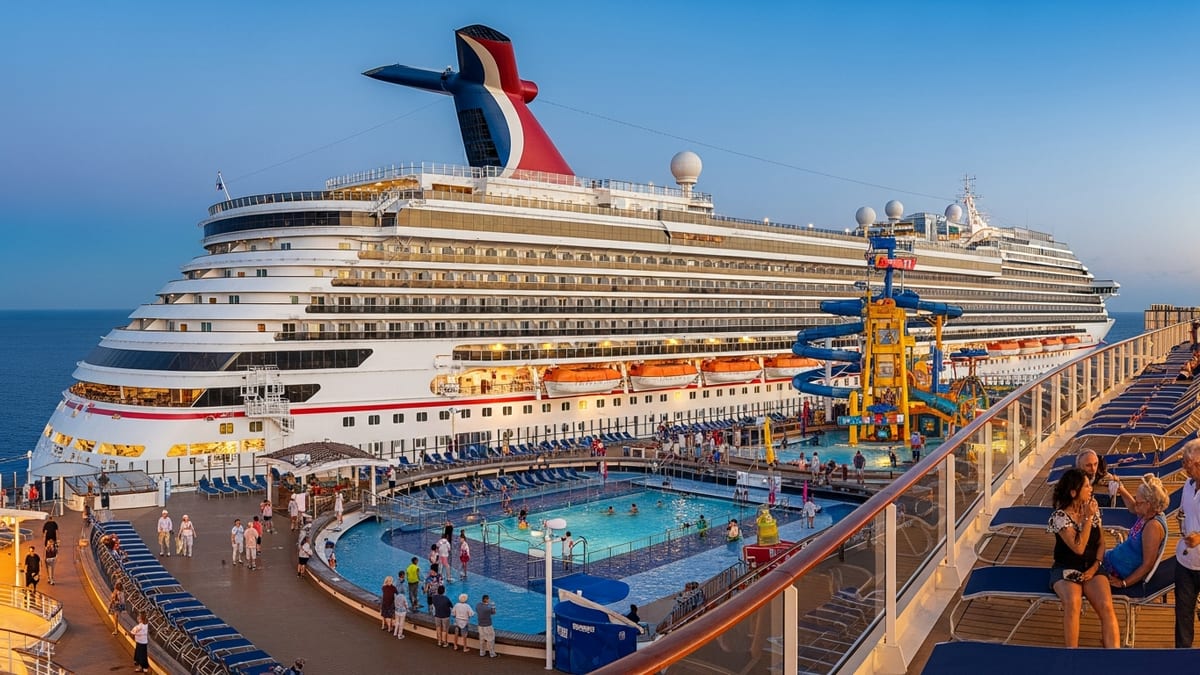
Reports Describe Chaotic Scene Onboard Family Sailing
Publicly shared accounts from passengers and cruise-focused online communities describe a chaotic confrontation on a Carnival ship in which an allegedly drunk adult guest was accused of hitting children in a public area of the vessel. Witnesses who later recounted the incident online said the disturbance unfolded during a busy period of the voyage, with families gathered nearby when the situation escalated.
According to these accounts, the adult passenger appeared intoxicated before the alleged assault on at least one child, prompting an outcry from nearby parents and drawing the attention of shipboard security. Other guests described a tense atmosphere that spread quickly through the deck as word of the confrontation traveled, with videos and secondhand reports later circulating among cruise discussion groups.
While specific charging documents tied to this incident have not been widely distributed, the descriptions align with a pattern of recent cruise cases in which intoxicated guests have been accused of targeting minors, including separate reports of passengers facing prosecution for assaults on teenagers and possession of child sexual abuse material after disembarking large ships in Florida ports.
In this latest case, the Carnival passenger was ultimately taken into custody after the ship reached port, according to accounts shared by travelers who said the individual was removed in handcuffs at the terminal and transferred to local law enforcement for booking.
Law Enforcement Response Once Ship Reaches Port
On modern cruises, most serious criminal allegations, including violence against minors, are referred to law enforcement only once a vessel is docked, and that appears to have been the process in this case. Publicly available case summaries from U.S. ports show that when an alleged incident occurs at sea, ship security typically documents statements, secures any video or photographic evidence, and then coordinates with local or federal agencies at the next scheduled stop.
Recent justice department filings and local Florida coverage of cruise-related arrests illustrate how this handoff works. In comparable situations, passengers suspected of crimes involving children have been detained by shipboard personnel and then formally arrested on shore, sometimes on felony counts, after officers review preliminary investigative material compiled during the voyage.
The reports surrounding the Carnival case indicate a similar sequence. Passengers have said on social media that security officers responded quickly after learning a child had been struck, separated those involved, and maintained watch over the accused passenger until the ship arrived at its homeport. At the pier, the guest was reportedly turned over to officers waiting nearby, a now-familiar scene at major cruise terminals where arrests sometimes take place at the end of otherwise routine sailings.
The exact charges stemming from the alleged assault on the children have not been widely detailed in public databases, but comparable cruise incidents have recently led to counts such as child abuse, battery, or endangerment, depending on the jurisdiction and the severity of any injuries.
Alcohol Use Onboard Under Renewed Scrutiny
The case has also renewed focus on alcohol consumption aboard large cruise ships, particularly those marketed as family vacations. Carnival and other leading cruise operators heavily promote beverage packages and adult nightlife, even as their ships host thousands of children on popular school holiday and summer departures.
Travel blogs and cruise forums have long debated how lines should balance a festive atmosphere with the need to prevent alcohol-fueled disorder. In some instances highlighted by cruise commentators, passengers who became highly intoxicated have later described being restricted from future onboard alcohol purchases, while others have faced sanctions or removal from ships after fights or disruptive conduct.
Official crime statistics compiled under the Cruise Vessel Security and Safety Act for major brands, including Carnival, show a relatively small but persistent number of reported violent crimes among millions of passengers, with alcohol often cited in broader discussions as a contributing factor in onboard altercations. High-profile incidents, such as brawls near customs queues and publicized arrests following violent behavior in ports, continue to drive public concern.
The latest allegations involving a drunk passenger and children are likely to amplify calls from some safety advocates for more visible enforcement of responsible drinking rules at sea, especially in family-oriented spaces like pools, arcades, and casual dining venues.
Family Safety Concerns in a Growing Cruise Market
The episode arrives as the North American cruise industry experiences robust demand, with major lines adding capacity and repositioning ships to serve Caribbean and Bahamas routes popular with families. Carnival, in particular, has marketed laid-back, value-oriented sailings that attract multigenerational groups and first-time cruisers seeking resort-style amenities.
For many travelers, the idea of an all-inclusive floating resort can create an expectation of safety comparable to a gated community or theme park. However, publicly accessible case records and quarterly federal crime compilations show that serious incidents, while statistically rare, do occur on cruise ships and in their destination ports, including allegations of assault, sexual misconduct, and child endangerment.
Advocates who follow maritime safety trends often encourage parents to treat ships as small cities, emphasizing the need to set clear rules for children’s movements, establish meeting points, and maintain supervision in crowded or alcohol-oriented venues. They also note that reporting concerns immediately to guest services or security can be critical in preserving surveillance footage and witness statements if an incident escalates into a criminal investigation.
In the Carnival case, other guests reported that the father of one of the children reacted angrily after learning of the alleged assault, adding another layer of tension to an already volatile situation. Such emotional responses are not unusual, particularly where minors are involved, and can further complicate efforts to stabilize the scene until trained personnel arrive.
What Travelers Should Know Before Sailing
While this alleged assault involving a drunk Carnival passenger appears to be an isolated episode on a single voyage, it forms part of a broader pattern of cruise-related incidents that periodically draw attention from regulators, consumer advocates, and travel media. For families planning a cruise, awareness of how lines handle onboard misconduct can help set expectations and inform vacation planning.
Public policy documents and previous criminal cases show that major cruise operators maintain security departments, cooperate with law enforcement at embarkation and debarkation ports, and are required to report certain serious crimes to U.S. authorities when sailing to or from American harbors. Ships also rely on camera systems and electronic keycard data to reconstruct movements when allegations surface.
Travelers concerned about alcohol-fueled behavior can take additional precautions, such as choosing cabin locations away from late-night venues, reviewing a ship’s code of conduct, and setting firm boundaries for older children exploring the vessel independently. Some families prefer sailings outside peak party periods, including spring break or major sports event weeks, when heavy drinking is more common.
For now, the Carnival arrest tied to allegations of a drunk passenger hitting children serves as another reminder that, despite their reputation as carefree getaways, cruise ships are complex environments where the behavior of a few individuals can have serious consequences for those around them.