

More news on this day
Dubai’s tourism lifeline from Britain is being restored as the United Kingdom relaxes its restrictions on travel to the United Arab Emirates, following months of disruption triggered by Iranian missile and drone attacks that briefly shut Dubai’s airspace and hit parts of the city.
Get the latest news straight to your inbox!
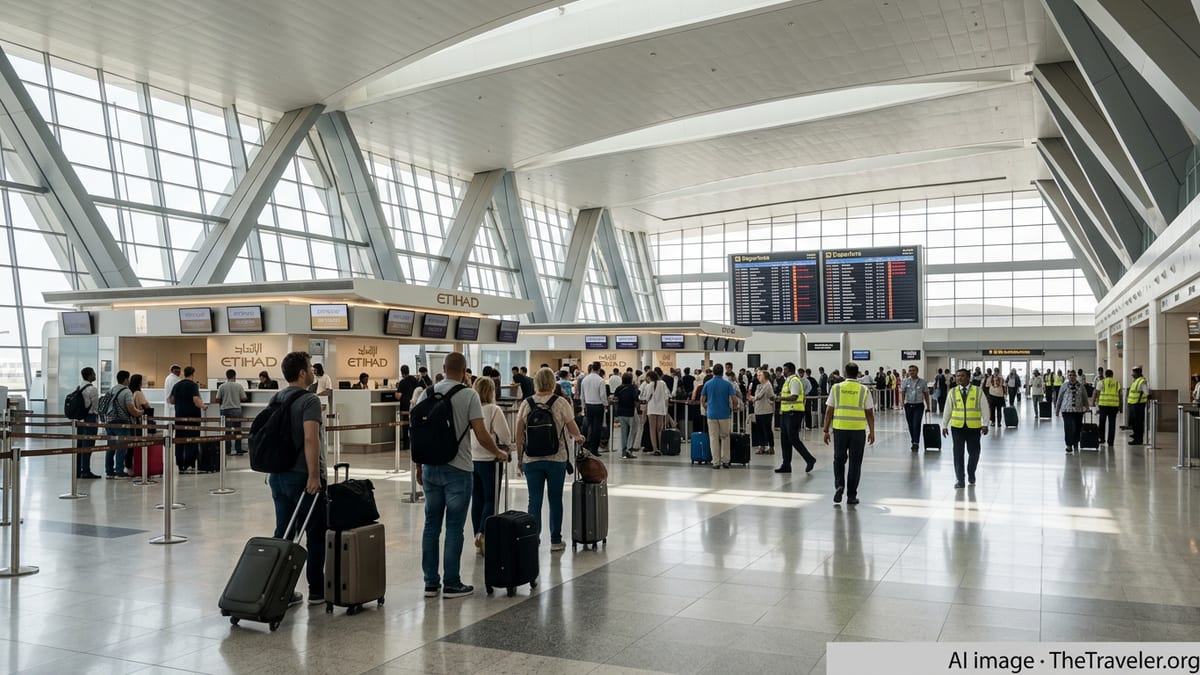
UK travel advice shifts after months of conflict disruption
Publicly available government advisories show that the United Kingdom had been warning against leisure travel to the UAE in recent months, citing the threat of further Iranian missile and drone strikes during the wider Iran war. This effectively froze many package holidays to Dubai, one of the most popular long-haul destinations for British travelers.
Regional reporting indicates that the shift in advice follows a relative easing of immediate missile activity against the UAE and a broader stabilization in Gulf airspace management. While the conflict has not fully ended, the perceived risk to civilian aviation has been reassessed, allowing the Foreign, Commonwealth and Development Office to soften its stance on non-essential travel.
The change is expected to unlock significant pent-up demand. Before the conflict, Dubai was a year-round favorite for UK holidaymakers drawn by winter sun, shopping, and family-friendly resorts, and the tightened advice had led to cancellations, refund disputes and a sharp redirection of bookings toward Mediterranean and Caribbean alternatives.
Industry analysts note that the move does not signal a return to pre-war normality, but it does open the door for tour operators and airlines to rebuild programs that had been cut back or suspended entirely when the UK’s warning was first introduced.
Dubai tourism rebuilds after missile strikes and airspace closures
Reports on the first months of the conflict describe how Iranian missile and drone barrages forced the UAE to close or restrict its airspace at short notice, with Dubai International Airport temporarily suspending operations as interceptions took place overhead and debris was reported near the city and key infrastructure. These events shook traveler confidence and triggered large-scale evacuations and repatriation flights across the region.
Coverage from regional outlets and global news agencies details how several high-profile sites in Dubai, including luxury hotels and areas near major thoroughfares, were affected by strikes or falling debris, even as UAE air defenses intercepted the majority of incoming projectiles. Images of smoke rising near the coast and reports of passengers being moved into shelters at the airport underscored the severity of the security shock for a destination long marketed as a safe haven.
Despite the trauma of the initial attacks, recent reporting shows that daily life in Dubai has been gradually normalizing. Schools have reopened, businesses are operating and tourism boards have resumed marketing campaigns focused on shopping festivals, beach holidays and events designed to lure back international visitors. The city’s authorities continue to present Dubai as resilient and open for business, emphasizing that missile alerts have become less frequent and that critical infrastructure is functioning.
For returning British travelers, the visible signs of repair work, heightened security protocols and new civil defense messaging are likely to be part of the on-the-ground experience as the city works to balance recovery with vigilance.
Airlines restore UK–Dubai capacity as demand returns
The easing of UK travel restrictions dovetails with a broader recovery in Gulf aviation. Industry data and airline statements cited in recent coverage indicate that Emirates, flydubai and Etihad have been steadily rebuilding their networks after the heaviest phase of missile and drone attacks forced widespread cancellations, diversions and temporary suspensions of services.
Specialist aviation trackers report that Dubai International Airport is again handling flight volumes close to pre-conflict levels on some days, with hundreds of daily departures operated by home carriers and international airlines routing through the hub. Earlier European safety bulletins had advised operators to avoid swathes of Middle East airspace, including portions of the UAE, but subsequent updates have acknowledged the gradual reopening and normalization of traffic patterns.
For UK passengers, the most immediate impact will be a broader choice of direct and connecting services between British airports and Dubai. Tour operators are already promoting late-summer and winter-sun packages, while airline schedules show additional frequencies being added on key routes as load factors improve.
However, observers caution that schedules remain vulnerable to renewed spikes in regional tension. Airlines are maintaining contingency plans for diversions and last-minute rerouting, and travelers are being urged to monitor booking conditions and insurance policies that explicitly address conflict-related disruption.
Ongoing risk keeps safety and insurance in the spotlight
While the UK’s updated stance allows holidays to proceed, it continues to highlight the possibility of further missile and drone activity affecting the UAE, reflecting the broader volatility of the Iran conflict. Security consultancies and travel risk firms note in their open-source briefings that, although the tempo of strikes has declined, the capability for long-range attacks on Gulf infrastructure remains, especially if diplomatic efforts stall or new incidents trigger escalation.
Travel insurers and corporate risk managers are responding by tightening wording around war, terrorism and airspace closure clauses. Some leisure policies now explicitly reference the recent Iran-related disruptions in the region, requiring travelers to read exclusions carefully and, in some cases, purchase add-ons to secure comprehensive cover for trip interruption, evacuation or extended delays.
Publicly available guidance from risk specialists suggests that travelers heading to Dubai should pay close attention to airline and tour operator updates, register their details with consular services where appropriate, and keep flexible plans in case of temporary route changes or schedule adjustments. Many operators are offering more generous rebooking options than before the conflict in an effort to reassure hesitant customers.
Despite these caveats, booking data cited in industry commentary points to a strong rebound in interest from the UK market as soon as the advisory was relaxed, underscoring Dubai’s enduring appeal even in a more uncertain security environment.
What UK holidaymakers should expect on the ground
For British travelers returning to Dubai after the hiatus, the most noticeable changes are likely to be subtle but pervasive enhancements to security and emergency preparedness. Reports from residents and recent visitors describe more visible surveillance, occasional public information campaigns about shelter procedures, and a heightened police and civil defense presence around transport hubs and major attractions.
Hotels and resorts, which bore the brunt of cancellations during the peak of the crisis, have responded by updating safety briefings, reinforcing crisis communication protocols and, in some cases, adapting cancellation policies to account for conflict-related disruption. Many are combining these behind-the-scenes changes with discounted packages, room upgrades and value-added extras aimed at rekindling demand from key source markets such as the UK.
At the same time, Dubai’s core tourism proposition remains intact. Beaches, desert excursions, shopping malls and theme parks are operating, and the city continues to host international events that draw a mix of business and leisure visitors. For many travelers, the prospect of fewer crowds and attractive pricing is proving persuasive, even as they weigh the residual risk associated with a region that has recently come under direct fire.
As flights fill up again from London, Manchester and other British gateways, the return of UK holidaymakers is emerging as an early test of how quickly Dubai can restore its reputation as a secure, aspirational escape in the wake of a conflict that briefly brought the Iran war to its doorstep.