


More news on this day
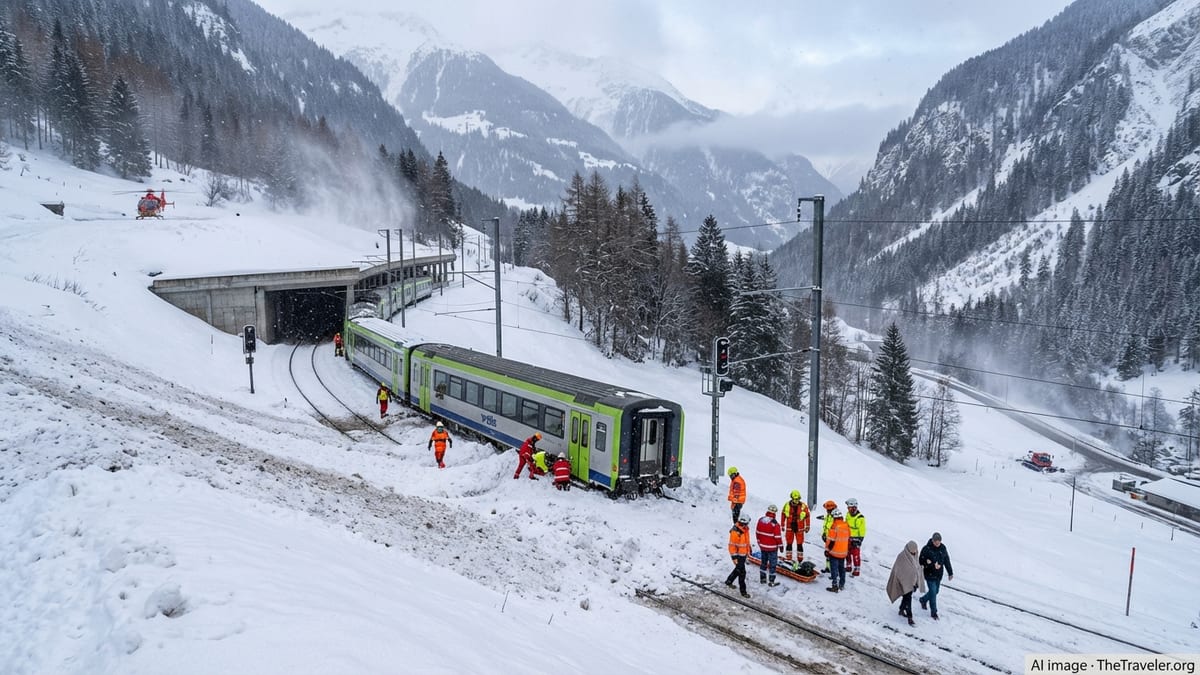
An early morning freight train derailment in Mesa brought traffic to a standstill as multiple road crossings were blocked, forcing long detours for commuters and spotlighting the challenges of routing heavy rail traffic through rapidly growing desert suburbs.
Get the latest news straight to your inbox!
Road Closures Disrupt the Morning Commute
Reports from local outlets and live traffic maps indicate that the derailment occurred in the pre-dawn hours, when most drivers expect relatively free-flowing conditions on Mesa’s arterial grid. Instead, long lines of brake lights formed as motorists encountered flashing crossing arms, stalled rail cars and police barricades on multiple approaches to the tracks.
The incident left several at-grade crossings impassable in the affected corridor, with drivers diverted onto parallel east-west routes already narrowed by ongoing construction. Commuters described significant delays as they were forced to double back through residential streets or merge onto nearby freeways sooner than planned.
Publicly available traffic data for the city shows that Mesa relies heavily on uninterrupted east-west arterials to move morning traffic toward central employment hubs. The blockage of even a small cluster of crossings can quickly ripple across the network, lengthening travel times and complicating access for buses, delivery vehicles and school traffic.
By midmorning, photographs shared through news outlets and social media showed work crews assessing the derailed cars and heavy equipment moving into position, while long lines of vehicles continued to queue at key intersections feeding the closed crossings.
Rail Operations in a Fast-Growing Desert City
Mesa’s rail lines trace corridors that once skirted agricultural fields and low-density neighborhoods, but today run through some of the fastest-changing parts of the Phoenix metro area. Planning documents and regulatory filings highlight how freight traffic shares space with expanding residential, commercial and industrial development, particularly near major arterials and freeway interchanges.
Recent federal and state records underscore the pressure on these corridors, noting both the importance of freight service to regional logistics and the need to avoid prolonged blockages at busy at-grade crossings. Agreements between rail operators and local governments often include specific expectations about limiting disruptions during peak morning and late-afternoon periods, reflecting how critical these windows are for commuters.
Urban planners point out that rail capacity is expected to grow as the region continues to add residents and warehousing space. That trend raises questions about how best to protect road access, emergency response times and neighborhood connectivity when an incident like a derailment brings traffic to a halt.
The Mesa incident also arrives amid wider national conversations about how rail networks intersect with fast-developing suburbs, where tracks that once felt peripheral now bisect dense residential districts, schools and shopping areas.
Safety, Infrastructure and Desert Heat
While the precise cause of the Mesa derailment had not yet been detailed in public reporting at the time of writing, rail safety specialists note a handful of recurring risk factors for incidents that block crossings in the early morning hours. These can include track or roadbed issues, mechanical problems with rolling stock, operational errors, or environmental stress on steel and ballast.
In the desert Southwest, prolonged high temperatures can compound existing vulnerabilities. Rail engineers have long warned that sustained triple-digit heat may contribute to track deformation if maintenance and monitoring do not keep pace with conditions, especially where older infrastructure meets heavier or more frequent trains.
National safety data reflects a broader effort by regulators and railroads to identify and address such risks before they result in derailments. Techniques now range from more frequent visual inspections to the deployment of trackside sensors that can detect changes in alignment, rail temperature or wheel performance.
Any derailment that blocks roadways tends to revive local interest in these technical safeguards. Residents often look for assurance that the line running past their neighborhoods is benefiting from the latest inspection technology and maintenance standards, particularly when trains carry hazardous or high-value cargo through growing urban areas.
Impact on Travelers and Local Tourism
The blocked crossings created immediate headaches for Mesa residents heading to work, but the disruption also reached visitors passing through the East Valley on their way to regional attractions, airports and resort areas. Early morning departures for hiking, golf and desert tours frequently rely on predictable surface streets to connect with freeways and state routes.
For travelers unfamiliar with the grid, unexpected closures near rail lines can complicate airport transfers and rental car returns, particularly when navigation apps update detours more slowly than conditions change on the ground. Some visitors reported lengthier-than-expected trips between Mesa’s hotel clusters and Phoenix Sky Harbor or Phoenix-Mesa Gateway airports when preferred east-west routes were cut off by the stationary train.
Tourism advocates in the region have increasingly emphasized the importance of reliable ground transportation as visitor numbers grow in the shoulder seasons. Isolated incidents like this derailment may not dramatically shift travel plans, but they highlight how closely the area’s visitor experience is tied to day-to-day transportation resilience.
Local businesses near the affected crossings also felt the impact, as morning customers struggled to reach shopping centers, cafes and service providers on the far side of the stalled train. For storefronts that depend on early traffic, even a few hours of limited access can reduce sales on what might otherwise be a busy weekday.
Calls for Long-Term Solutions
Events such as the Mesa derailment frequently reignite discussion about long-term infrastructure investments along rail corridors. Ideas that surface after these incidents often include grade separations at the busiest crossings, enhanced quiet zones with upgraded safety features, and more robust coordination between railroads and local traffic management centers.
Transportation plans across the Phoenix metro area have periodically evaluated the feasibility of bridges or underpasses at key intersections, but such projects are complex and expensive. They require sustained funding, careful design in built-up neighborhoods, and prolonged construction periods that can themselves disrupt traffic.
In the interim, city officials typically focus on improving detour planning, signage and communication so that motorists and commercial drivers can adjust quickly when rail-related closures occur. Early morning derailments pose a particular challenge because they coincide with the most time-sensitive commutes, school drop-offs and freight movements.
As rail traffic, population and visitor numbers continue to rise in Mesa and the surrounding region, the early morning derailment serves as another reminder that the interface between tracks and roads remains a critical point of vulnerability. The choices made in response, from short-term traffic strategies to long-range capital projects, will shape how resilient the city’s transportation network can be when the unexpected happens.