


More news on this day
Severe storms sweeping the US East Coast over recent days have triggered a sharp spike in flight cancellations and delays, disrupting major hubs from Boston to New York and Philadelphia at the height of the busy summer travel period.
Get the latest news straight to your inbox!
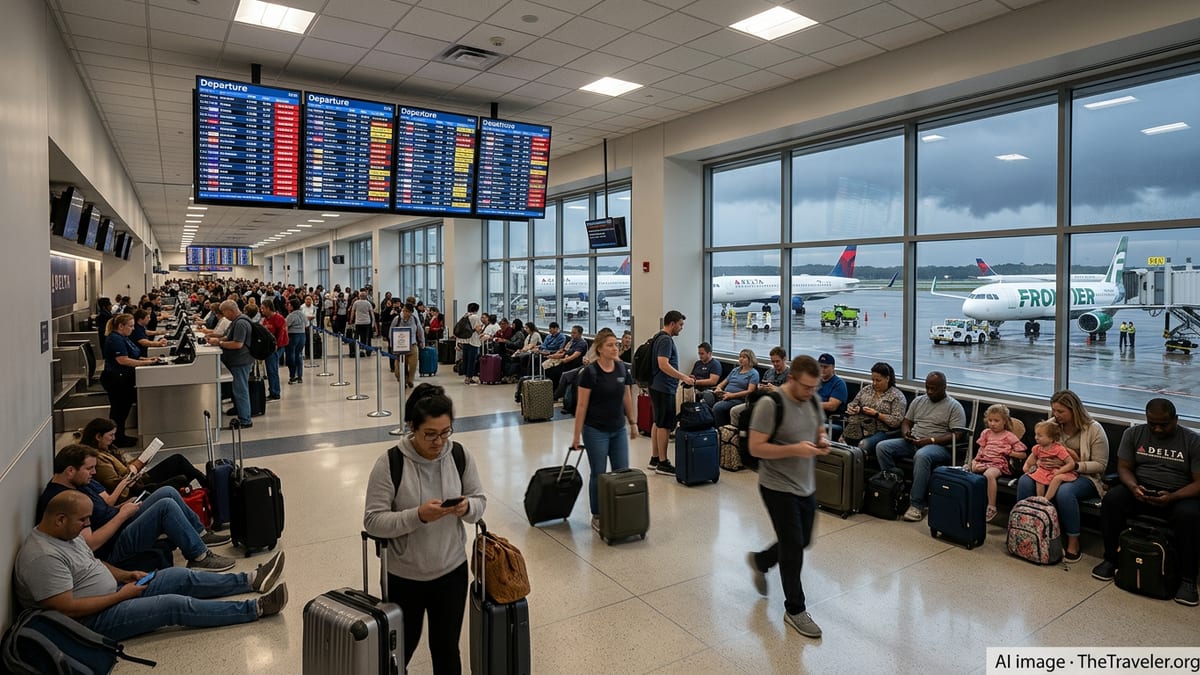
Thousands of Flights Disrupted as Storms Sweep the Corridor
Publicly available tracking data and media reports show that strong thunderstorm systems and torrential rain along the Eastern Seaboard have forced airlines to cancel and delay large numbers of flights in recent days. The pattern follows a broader 2026 trend in which several powerful winter and summer weather systems have repeatedly strained the US aviation network.
Over the past year, multiple significant storms affecting the East Coast have each led to thousands of cancellations in a single day, including winter systems in January and February that disrupted airports from the Mid-Atlantic through New England. More recent severe summer thunderstorms have produced smaller but still acute surges in cancellations and long delays, especially at tightly scheduled hubs around New York and Boston.
Operational data from widely used flight-tracking platforms indicate that these bouts of severe convection continue to trigger ground stops and traffic management programs, reducing arrival and departure capacity at key East Coast airports. When storm cells park over major corridors, even a few hours of restricted operations can quickly cascade into a nationwide disruption.
Travelers across social platforms have reported multi-hour holds on tarmacs, rolling departure times and last-minute cancellations as carriers attempt to work around lightning, heavy rain and low visibility. These on-the-ground accounts align with the quantitative spike in delays and cancellations captured by aviation analytics providers.
Major Hubs from Boston to Charlotte Under Pressure
Recent storms have hit some of the country’s busiest and most weather-sensitive airports, including Boston Logan, New York’s three main airports, Philadelphia and Charlotte. According to publicly available airport and tracking data, these hubs have repeatedly appeared near the top of national rankings for delays on storm-affected days.
At Boston Logan, passengers have described days with dozens of cancelled departures and hundreds of delayed flights as storm cells repeatedly crossed coastal New England. Similar patterns have been visible at New York’s LaGuardia and Newark Liberty airports, where summer thunderstorms frequently intersect with already congested airspace.
Farther south, Philadelphia and Charlotte have experienced periods of heavy disruption when frontal systems pushed into the Mid-Atlantic. These airports serve as important connection points for long-haul and regional routes, meaning operational slowdowns there can quickly reverberate to smaller cities across the eastern half of the country.
Because many carriers operate complex hub-and-spoke networks, a short-lived storm over a single city can affect flights far from the East Coast. Aircraft and crews out of position in New York, Boston or Philadelphia can translate into cancellations hours later for travelers in the Midwest, South or West Coast.
Weather, Staffing and Tight Schedules Amplify Delays
While the latest spike in disruptions is rooted in severe weather, aviation experts and industry-facing discussions highlight how staffing constraints and dense summer schedules magnify the impact. The combination of convective storms, high passenger volumes and lean operational buffers has left little room for error.
Air traffic control facilities along the East Coast continue to manage one of the most complex airspace regions in the world. When thunderstorms block established arrival and departure routes, controllers must meter traffic more aggressively, cutting the rate at which flights can land and take off. Even modest reductions in capacity can create long queues during peak travel hours.
Pilots, flight attendants and ground crews are also operating near the upper limits of allowable duty periods during the busy summer season. When storms slow the system, crews can time out while waiting for weather to clear or for gates to open, forcing additional cancellations even after skies begin to improve.
Industry research into delay propagation in the US air network shows that once primary disruptions take hold at a few major nodes, secondary delays spread quickly through interconnected schedules. Recent East Coast storms have provided a clear, real-time demonstration of how this dynamic plays out for travelers on both domestic and international routes.
Travelers Face Longer Lines, Missed Connections and Limited Options
For passengers, the latest wave of East Coast storms has translated into crowded terminals, rebooking challenges and unexpected overnights. Reports from affected airports describe long lines at customer service desks and overburdened call centers as travelers race to secure the few remaining seats on later departures.
Missed connections have been particularly acute on evenings when thunderstorms flare during the late-afternoon and early-night bank of flights. Travelers arriving late into hub airports often find that onward flights to smaller destinations have already departed or been cancelled, leaving rebooking pushed into the following day.
In some cases, disruptions on earlier storm days have continued to ripple into subsequent mornings, as airlines work to reposition aircraft and crews. That has left passengers encountering delays and cancellations even under clear skies, a reminder that the visible weather at a given airport may not reflect conditions elsewhere in the system.
Travel industry analysts note that leisure travelers are especially vulnerable during the peak summer period, when flights run near full and alternative options are limited. With many routes sold out or nearly so, a single cancellation can force travelers to accept multi-stop itineraries, significant schedule changes or even partial refunds instead of same-day alternatives.
What Airlines and Travelers Are Doing to Adapt
According to airline statements and publicly available advisories, carriers have increasingly turned to flexible travel waivers when forecasts call for severe storms along the East Coast. These policies typically allow passengers to move their trips to nearby dates or alternate airports without change fees, in an effort to reduce congestion on the most at-risk days.
Some airlines have also adjusted schedules in advance when meteorological models show a high likelihood of thunderstorms or heavy rain over key hubs. By trimming frequencies or consolidating flights ahead of time, carriers aim to create enough slack to keep remaining operations more reliable when storms arrive.
For individual travelers, recent events underscore the benefit of strategies long recommended by aviation experts, such as booking early-morning departures, allowing extra connection time through East Coast hubs and monitoring flight status frequently through airline apps. Checking forecasts not only at departure and arrival cities but along likely flight paths has also become more important during this active storm period.
With the heart of the Atlantic hurricane and late-summer thunderstorm season still ahead, observers expect that weather-related disruptions along the East Coast will remain a risk for US air travel. The recent spike in cancellations and delays serves as a reminder of how quickly conditions can deteriorate and how dependent the national air system remains on clear skies over a handful of critical hubs.