


More news on this day
The South Korea based cruise ship Eastern Venus has called at Vladivostok for the first time, restoring international cruise traffic to Russia’s Far Eastern port after a six year pause and reestablishing a triangular route linking South Korea, Russia and Japan that observers say could serve as a catalyst for regional tourism growth.
Get the latest news straight to your inbox!
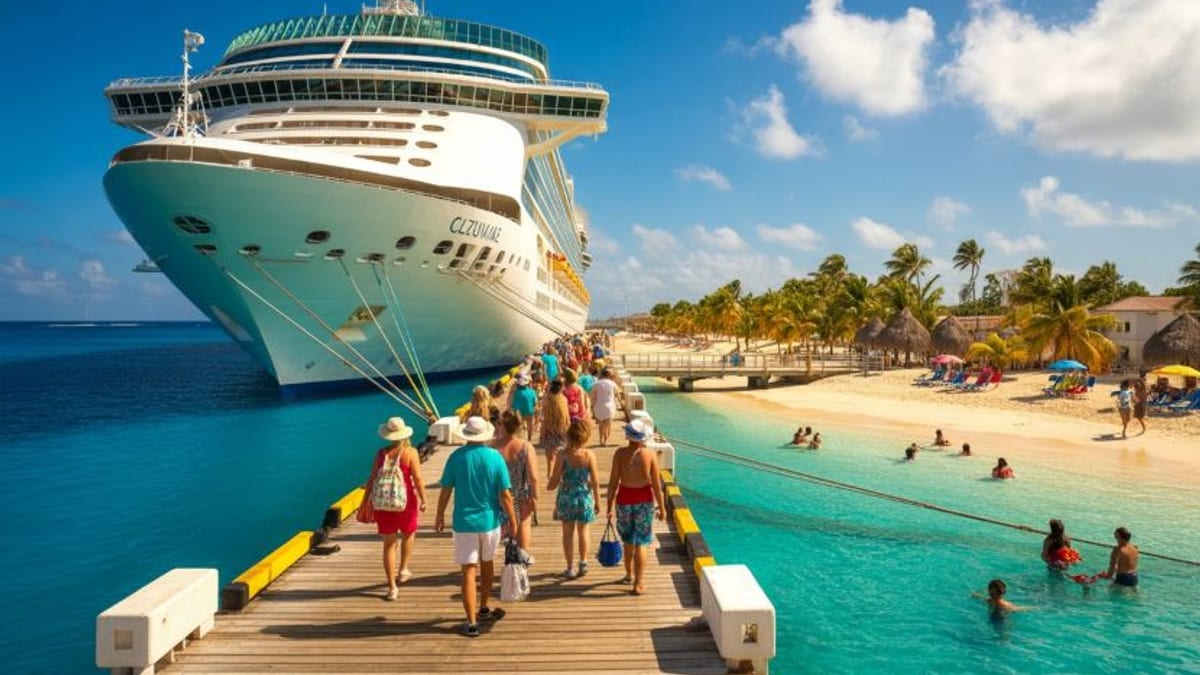
Vladivostok Welcomes First International Cruise Ship Since 2019
Publicly available information shows that Vladivostok resumed cruise operations on June 4, 2026, when the 720 passenger Eastern Venus arrived as part of a roundtrip itinerary from Busan. The voyage also included calls at Sokcho in South Korea and Sakaiminato in Japan, creating a compact but symbolically important circuit across Northeast Asia.
Coverage in regional and industry media indicates that this was the first international cruise call to Vladivostok in six years, following a halt in traffic after 2019. The Eastern Venus visit was described as a test call intended to evaluate port facilities, passenger handling and shore excursion logistics under current conditions.
The call is seen locally as a milestone in efforts to revive the city’s role as a gateway for cruise tourism in Russia’s Far East. Before the long interruption, Vladivostok appeared regularly on itineraries linking Japan, Korea and Russia, and port stakeholders are now working to restore that position for the coming seasons.
Reports also highlight the broader context of recovering cruise activity in Northeast Asia, where several ports are reactivating terminals and adjusting infrastructure to new security, health and operational standards introduced since the last pre disruption cruise season.
Eastern Venus Connects South Korea, Russia and Japan
According to cruise industry databases and published schedules, Eastern Venus is operating a mix of short and medium length sailings from South Korean ports, with a core program focused on Japanese destinations in Kyushu, Honshu and Shikoku. The addition of Vladivostok to selected itineraries creates a rare three country loop in the region’s contemporary cruise market.
The early season itinerary that included Vladivostok was structured as a Busan roundtrip, with Sokcho providing an additional Korean call and Sakaiminato offering access to Japan’s Sanin coast. Analysts note that such itineraries appeal to both first time cruisers from South Korea and experienced travelers seeking less crowded ports beyond the main hubs of Fukuoka, Nagasaki or Yokohama.
Regional tourism bodies and tour operators are reported to be developing shore experiences that emphasize Vladivostok’s waterfront, military history and proximity to national parks, alongside cultural and culinary programs in Sokcho and Sakaiminato. This approach aims to position the itinerary as a multi country cultural journey rather than solely a scenic coastal cruise.
Industry commentary suggests that if demand and operations are deemed successful, Eastern Venus could repeat or expand voyages that connect South Korea, Russia and Japan, offering one of the few regularly scheduled cruise products spanning these three markets in a single trip.
From Pacific Venus to Eastern Venus: A Ship Reborn for Asia
Eastern Venus began life as Pacific Venus, built in 1998 for a Japanese operator and active for roughly 25 years in the domestic Japanese cruise trade. Published coverage notes that the ship was withdrawn from service in early 2023 when its former owner wound down cruise operations, ending a long running program of Japan focused itineraries.
The vessel was subsequently acquired by South Korean cargo and passenger group Duwon Shipping and rebranded for its new cruise division, Eastern Cruise. Public information from the company and trade outlets indicates that the ship underwent refurbishment and reentered service in late 2024 under the Eastern Venus name, initially targeting the South Korean source market.
Ship data platforms describe Eastern Venus as a mid sized cruise ship of about 26,500 gross tons, with capacity for around 700 guests. This scale positions it below the large international mega ships frequenting East Asia before 2020, but well suited to secondary and regional ports where harbor depth, terminal size and local infrastructure may limit larger tonnage.
Observers say that repurposing an established vessel for a focused regional program allows Eastern Cruise to enter the market with a relatively modest capital outlay while still offering amenities expected on contemporary cruises, including multiple dining venues, entertainment spaces and open deck areas for scenic sailing along the coasts of Korea, Russia and Japan.
South Korea’s Cruise Ambitions and Market Growth
Reports from cruise industry publications highlight that Eastern Cruise’s launch aligns with optimistic projections for South Korea’s cruise sector. Forecasts cited in these reports anticipate average annual growth in the national cruise market of just over 5 percent between 2024 and 2028, driven by rising outbound travel demand and increased port capacity.
Busan has been designated as Eastern Venus’s primary homeport for the 2026 season, with itineraries focused mainly on Japanese ports and selected calls in other nearby markets. This strategy positions Busan as a regional embarkation hub, offering short breaks and longer cultural itineraries that can be marketed not only to South Koreans but also to passengers from Japan, Taiwan and China.
In addition to Busan, itineraries featuring Sokcho expand the geographic reach within South Korea and allow the brand to tap into new catchment areas along the country’s east coast. This multi port approach is consistent with efforts by local authorities and businesses to distribute cruise related spending more evenly and to reduce pressure on a single gateway.
Analysts quoted across trade coverage argue that having a domestically based cruise brand with a dedicated ship strengthens South Korea’s position in negotiations with ports and tourism boards in neighboring countries, potentially leading to more stable seasonal schedules and collaborative marketing campaigns across the region.
Regional Tourism Ripple Effects and Future Prospects
The resumption of cruise calls to Vladivostok is being viewed as part of a wider recalibration of tourism flows in Northeast Asia. By restoring a maritime connection between South Korea, Russia and Japan, Eastern Venus introduces a relatively low volume but high visibility stream of visitors that can support local hotels, restaurants, guides and transport operators in each port of call.
In Vladivostok, port information and local media reports emphasize expectations that future calls could bring both foreign and domestic tourists seeking short gateway stays or longer overland extensions into the Primorsky region. Similar opportunities exist in Sakaiminato, where access to cultural sites and natural attractions is a key selling point, and in Sokcho, which positions itself as both a seaside resort and a base for nearby national parks.
Industry observers note that such multi country cruises can help diversify regional tourism away from heavily trafficked metropolitan centers. By highlighting smaller cities and coastal communities, Eastern Venus itineraries may encourage investment in shore infrastructure, from upgraded terminals to new tour products tailored to cruise passengers with limited time in port.
Looking ahead, publicly available comments from Eastern Cruise executives suggest that the company is considering gradually lengthening some routes and experimenting with seasonal deployments that place greater emphasis on lesser known ports. The test call to Vladivostok is widely interpreted as an early step in that direction, and its reception will likely influence how far and how quickly the network of interconnected Korean, Russian and Japanese ports continues to grow.