


More news on this day
Rapidly expanding Ebola travel restrictions by the United States, Canada, India and Australia are sending shockwaves through global aviation and tourism, as governments race to shield their borders from an outbreak centered in the Democratic Republic of the Congo and Uganda.
Get the latest news straight to your inbox!
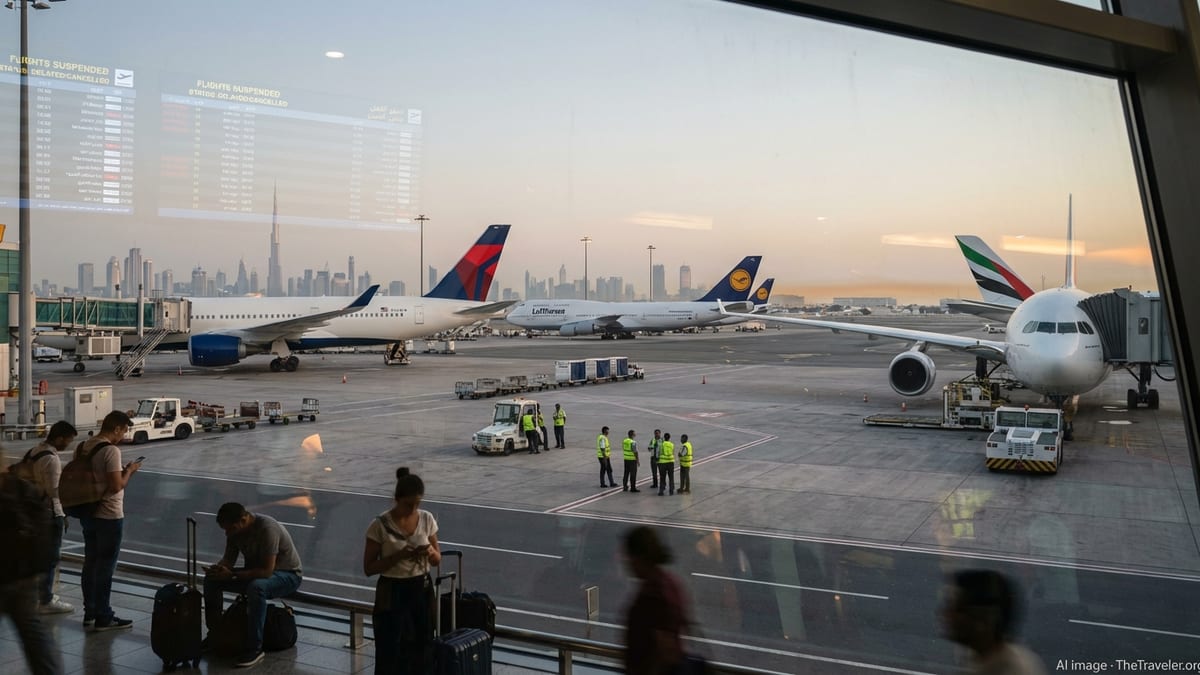
New Ebola Emergency Triggers Tiered Border Controls
The latest outbreak of Ebola disease, attributed to the Bundibugyo strain and concentrated in northeastern Democratic Republic of the Congo and neighboring Uganda, was recently categorized as a public health emergency of international concern under global health regulations. Publicly available information shows that suspected and confirmed cases have climbed into the hundreds, with fatalities mounting and health systems in the affected regions under intense strain.
While international health agencies have advised against blanket travel and trade bans, national responses are diverging. Governments in North America and the Asia-Pacific are increasingly turning to entry restrictions, mandatory quarantines and enhanced airport screening, reshaping the global flow of passengers in real time. The resulting patchwork of rules is producing extensive disruption across long-haul networks linking Africa, Europe, Asia and the Americas.
Airlines and travel operators are now contending with rapidly shifting regulations that can change within days, forcing last‑minute rebooking, diversions and cancellations. Industry analysts note that these measures are emerging just as international tourism and business travel were beginning to stabilize after several years of pandemic volatility, heightening concern that confidence in cross‑border mobility could once again erode.
United States Tightens Entry With Targeted Restrictions
In the United States, publicly available federal documents indicate that authorities activated enhanced public health travel measures in mid‑May, introducing mandatory health screening and entry limits for certain travelers who have recently been in the Democratic Republic of the Congo, Uganda or South Sudan. The measures include routing eligible passengers through designated airports for health assessments and, for some foreign nationals, outright denial of entry for a defined period.
Recent coverage by major U.S. outlets describes how these rules are already affecting transatlantic and Africa‑linked itineraries. One high‑profile incident involved a U.S.‑bound flight diverted to Canada after a passenger was flagged under the new criteria, illustrating how Ebola‑related screening can reverberate far beyond the outbreak region itself. Travel forums and flight‑tracking data point to similar diversions, longer routing times and increased use of connecting hubs deemed less exposed under the evolving rules.
Although public health advisories continue to emphasize that Ebola spreads through direct contact with bodily fluids and is not transmitted through casual contact in airports or airplanes, the combination of heightened media attention and the memory of recent pandemics is amplifying anxiety among travelers. Travel agents in major U.S. cities report a surge in inquiries about itineraries touching any part of sub‑Saharan Africa, with some clients requesting to postpone or reroute even trips to unaffected countries on the continent.
Canada Moves From Advisories to Entry Bans and Isolation
Canada, which initially relied on travel advisories and airport questionnaires for passengers arriving from the affected provinces, has now shifted to more stringent controls. According to Canadian media coverage, authorities have introduced a temporary ban on many travelers originating from Ebola‑affected countries, alongside a requirement that permitted arrivals from those regions complete a 21‑day isolation period and active health monitoring.
These measures mark a significant escalation from Canada’s earlier approach during past Ebola outbreaks, when the focus rested primarily on guidance to healthcare providers and voluntary reporting by travelers. Airports in Toronto, Montreal and Vancouver have reinforced screening procedures, and carriers are adjusting schedules to reflect lower demand and a narrower pool of eligible passengers.
Canadian tourism operators warn that the timing is particularly challenging. The northern summer season typically brings an influx of long‑haul visitors from Europe and Asia who connect via African hubs. With new rules adding uncertainty and potential isolation on arrival, bookings that involve complex multi‑continent itineraries are increasingly vulnerable to last‑minute cancellations, and some conference organizers are reassessing plans that relied on global delegates.
India and Australia Opt for Precautionary Travel Barriers
Across the Indo‑Pacific, India and Australia are adopting precautionary barriers in anticipation of imported cases. A recent advisory from India’s health authorities urges citizens to avoid non‑essential travel to the outbreak zone, while tightening health checks for passengers arriving from Central and East Africa. Publicly available guidance notes that India has reported no domestic Ebola cases linked to the current outbreak, but officials are urging heightened vigilance in airports and major seaports.
India’s vast diaspora and extensive labor and business ties with Africa mean even modest changes in travel policy have wide repercussions. Travel industry reports describe Indian airlines reviewing crew layover policies in African hubs and reassessing codeshare arrangements on routes that pass through the affected region. Corporate travel managers, particularly in the energy and infrastructure sectors, are pausing non‑urgent trips and expanding remote‑work contingencies for staff stationed on the continent.
In Australia, national media coverage indicates that authorities have introduced targeted entry controls and stepped‑up screening for passengers with recent travel history in Ebola‑affected parts of Africa. Although case numbers remain concentrated thousands of kilometers away, the country’s geographic isolation and strict border health traditions are shaping a cautious response. Some carriers serving routes between Australia, the Middle East and Africa are already signaling schedule adjustments and increased flexibility policies for affected ticket holders.
Global Travel Network Feels the Strain as Fliers React
As more countries implement restrictions or advisories, the effects are radiating through the broader aviation network. Flight data platforms show reductions in scheduled capacity on select Africa‑Europe and Africa‑Asia routes, as well as a modest but noticeable downturn in new bookings that involve transit through outbreak‑adjacent hubs. Industry observers suggest that even if restrictions remain time‑limited, the psychological impact on travelers could outlast the formal measures.
Travel insurers are beginning to update policy language around Ebola‑related disruptions, with some inserting new clauses that specify coverage parameters if governments deny boarding or entry due to recent travel history rather than confirmed infection. This is prompting travelers and corporate risk managers to study fine print more closely, adding another layer of complexity to planning international trips.
At the same time, public health agencies and aviation bodies are urging calm, emphasizing that carefully targeted measures, rapid case detection in affected countries and strong infection‑control protocols on the ground remain the most effective tools to contain Ebola. For the global travel industry, however, the immediate reality is a new period of volatility, as the shockwave from a localized outbreak tests the resilience of international mobility once again.