


More news on this day
El Al Israel Airlines has canceled its planned nonstop service between Tel Aviv and Hanoi after Israel’s Shin Bet internal security service reportedly declined to grant the security authorization required for the new Vietnam route.
Get the latest news straight to your inbox!
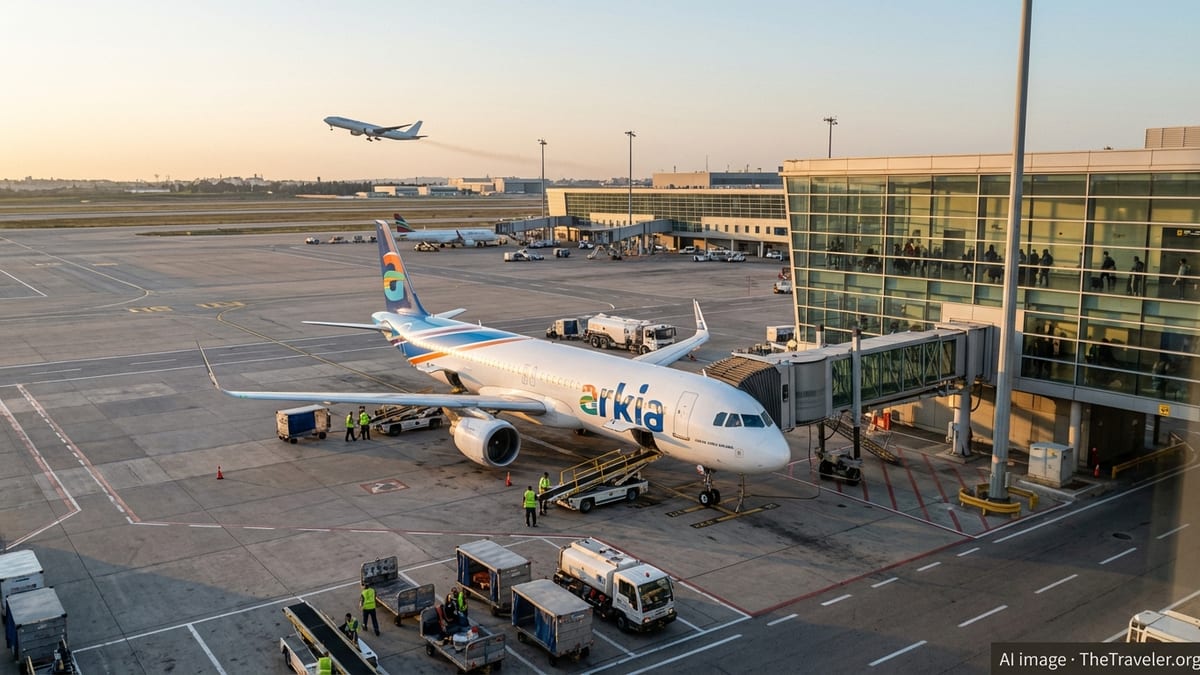
Security concerns halt new Vietnam connection
According to recent Israeli media coverage, El Al had been preparing to launch direct flights linking Tel Aviv’s Ben Gurion Airport with Hanoi, in what would have been the carrier’s first regular passenger route to Vietnam. The plan has now been dropped after the Shin Bet security agency reportedly refused to approve the operation on security grounds.
Publicly available reports indicate that Israel’s security apparatus plays a central role in vetting El Al’s global network. The carrier is widely known for extensive protective measures, and any new long haul route typically requires a detailed security review of airport infrastructure, local procedures and regional risk factors before flights can begin.
In the case of Hanoi, coverage in the Israeli business press states that this review did not yield the authorization El Al needed. Without that clearance, the airline is not permitted to move ahead with ticket sales or operations, leading to the effective cancellation of the proposed route.
The decision comes at a time when El Al has been selectively rebuilding and reshaping its long haul schedule in Asia. The loss of a potential Hanoi service removes one of the more significant new destinations that had been under consideration for the region.
Impact on El Al’s Asia strategy
The shelved Hanoi route highlights the challenges El Al faces in expanding across Asia, even as demand grows for travel between Israel and Southeast Asia. The airline has been gradually rebuilding its regional footprint, with a focus on markets that can sustain year round traffic and meet stringent security requirements.
Industry analysts note that Vietnam has become an increasingly popular leisure and business destination for Israeli travelers, served today via connections on foreign airlines through hubs such as Bangkok, Istanbul and Dubai. A nonstop Tel Aviv–Hanoi link would likely have targeted both outbound tourism from Israel and inbound group travel from Vietnam, potentially tapping into tour operator demand on both sides.
With the planned route now off the table, El Al will continue relying on existing Asian gateways where its security model is already established. This may reinforce the importance of other long haul projects, such as additional capacity on approved routes in East and South Asia, as the airline seeks growth without compromising on its established risk thresholds.
For Vietnam, the cancellation leaves the market to foreign carriers that can connect the two countries indirectly. Travelers between Israel and Vietnam will continue to route through third country hubs, at least in the short term, rather than benefiting from a dedicated nonstop option.
Shin Bet’s role in airline operations
Israel’s Shin Bet plays an unusually prominent role in commercial aviation compared with security agencies in many other countries. Public information about El Al’s operations shows that the airline invests heavily in security infrastructure, personnel and procedures shaped in close coordination with the agency.
Before any new international route launches, Israeli carriers require a framework that satisfies Shin Bet’s expectations at the departure and arrival airports. This can include secure check in arrangements, baggage handling controls, access to local law enforcement support and the ability to deploy specialized security staff on the ground and in flight.
When local conditions or regional risk assessments are judged inadequate, the agency can withhold authorization for new destinations. Recent reports indicate that this appears to have occurred in the case of Hanoi, illustrating how national security considerations can directly limit commercial expansion, even where there is clear passenger demand.
The situation also underscores the complexity of aviation security negotiations between Israel and partner states. Establishing protocols that meet Israeli standards can require extensive coordination with airport operators and regulators, and not all prospective destinations can or wish to adapt their systems accordingly.
Passenger options and market outlook
For travelers, the immediate effect of El Al’s decision is limited to the absence of a service that had not yet begun. Tickets for the Tel Aviv–Hanoi route were not widely available, and there has been no large scale rebooking effort similar to what occurs when an existing route is suspended.
Nonetheless, the episode is likely to be closely watched by tour operators and corporate travel planners who had anticipated a future nonstop option between Israel and Vietnam. Many are expected to continue using established one stop routings through Asian and Middle Eastern hubs, which can offer competitive fares and a range of schedules.
From a market perspective, the case illustrates how security considerations may slow the diversification of Israel’s long haul network into new geographies. While open skies policies and growing tourism flows create incentives for carriers to add destinations, the unique security environment around Israeli aviation continues to shape which routes ultimately proceed.
Industry observers suggest that Hanoi could reemerge as a candidate in the longer term if conditions change or new security arrangements are reached. For now, however, El Al’s Asian strategy will rest on markets where approvals are already in place, even as interest in Southeast Asia among Israeli travelers continues to rise.
Broader implications for Israeli aviation
The canceled Hanoi service also carries broader implications for other Israeli airlines that may be considering new routes in Asia and beyond. All designated Israeli carriers operate within the same overarching security framework, meaning similar constraints can apply when assessing unfamiliar airports in regions with evolving risk profiles.
According to aviation sector commentary, the balance between commercial opportunity and security feasibility remains a central factor in network planning from Israel. Routes that appear attractive based on tourism trends, diaspora links or business ties may still face hurdles if on the ground conditions do not align with security expectations.
As Israel’s outbound and inbound tourism sectors grow, policymakers and aviation stakeholders continue to weigh how best to support connectivity while retaining a high bar for safety. The outcome of El Al’s Hanoi plans illustrates that, for now, security authorization remains the decisive gatekeeper for new destinations, even in markets where demand signals are strong.
The case is likely to feed into ongoing discussions within the Israeli aviation community about where future growth will come from and how new long haul destinations can be developed within existing constraints. For travelers eyeing Vietnam, it serves as a reminder that route announcements and early planning can still be subject to last minute changes when security assessments are involved.