


More news on this day
Malaysia Airlines has announced that all of its active pilots have tested negative for prohibited substances following an emergency drug screening programme launched after a junior flight crew member was arrested in Jakarta in a high profile narcotics case.
Get the latest news straight to your inbox!
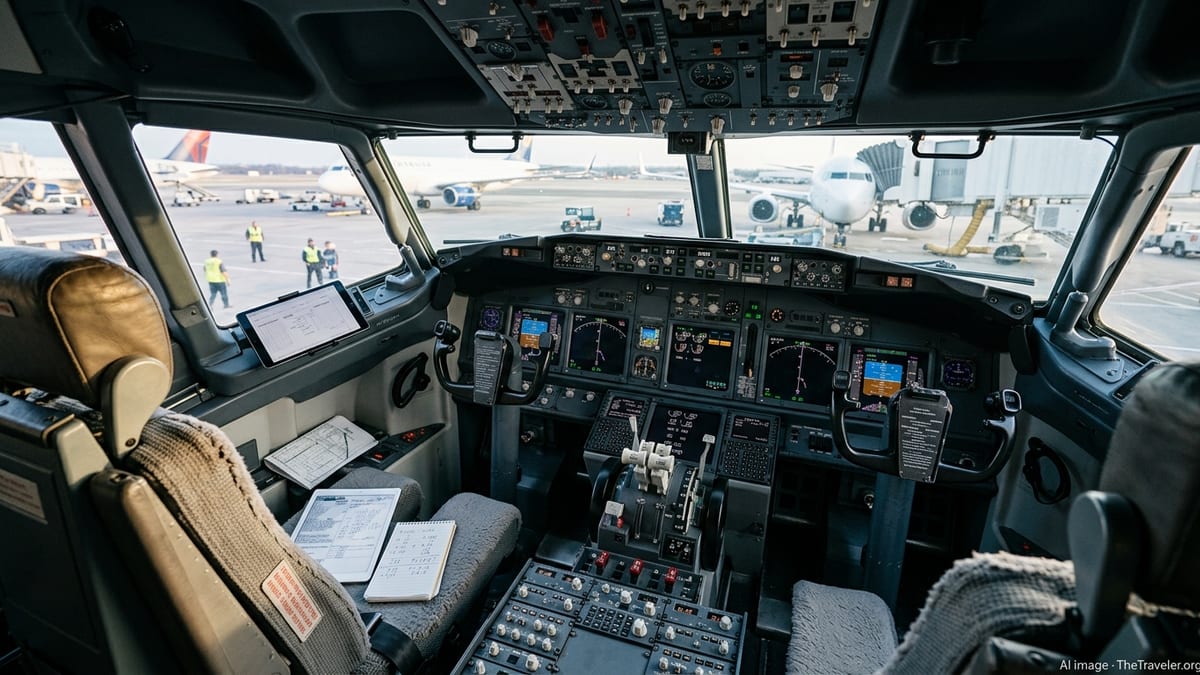
Mass screening launched after Jakarta narcotics arrest
The carrier moved to test all cockpit crew after reports indicated that a Malaysian pilot was detained at Soekarno Hatta International Airport in late July with more than 70,000 ecstasy tablets and small quantities of methamphetamine discovered in his luggage. Indonesian enforcement bodies have said the suspect tested positive for several illicit substances in initial checks and is being investigated on suspicion of trafficking.
According to published coverage in Malaysian and Indonesian media, the man had just arrived in Jakarta on a Malaysia Airlines service from Kuala Lumpur when customs officers flagged his bags for closer inspection. The discovery and subsequent revelations that he may have acted as a courier on multiple occasions prompted intense public debate about airline screening procedures and cockpit safety.
Malaysia Airlines subsequently confirmed that the individual was a junior flight crew member rather than a captain, and that he had been removed from all operational duties. Publicly available information shows that the airline has opened an internal investigation and is cooperating with inquiries being conducted in both countries.
The case quickly drew international attention because it touched on two sensitive issues for the region: the safety of commercial aviation and the severe penalties that can be imposed for drug offences in Indonesia, which include the possibility of capital punishment in serious trafficking cases.
All pilots return negative results in urgent tests
In the days following the arrest, Malaysia Airlines introduced a round of mandatory drug screening for all active pilots on its roster. The programme covered flight crew operating both domestic and international services, with testing reportedly completed within a compressed timeframe in order to reassure regulators and passengers.
According to publicly available statements summarised in local news reports, the airline says every pilot tested during this exercise returned a negative result. The outcome is being highlighted by the company as evidence that the Jakarta arrest was an isolated incident involving one employee rather than a sign of systemic misuse of drugs among cockpit crew.
Industry commentators note that Malaysia Airlines, like most full service carriers, already had pre employment screening and periodic medical examinations in place before the Jakarta case. The latest all pilot sweep goes beyond those routines, reflecting the pressure on the airline to demonstrate that no other crew members are operating flights under the influence of drugs.
The negative test results also come amid online speculation and criticism about enforcement gaps at airports. While some social media users have questioned whether such screening can ever be completely foolproof, the blanket testing exercise appears to have calmed immediate fears about widespread substance abuse in the cockpit.
Regulatory scrutiny and calls for tighter procedures
The Jakarta arrest has placed Malaysia’s aviation oversight and border controls under closer scrutiny. Reports indicate that the detained pilot began his journey in Kuala Lumpur and cleared airport checkpoints before boarding the flight to Indonesia. That sequence has raised questions about how large quantities of drugs could leave the country despite existing controls.
Malaysia’s civil aviation and transport regulators have not yet announced major new rules, but public reporting shows that they are reviewing current guidelines on crew screening and security access. Observers expect that recommendations could include more frequent random drug tests for pilots, closer monitoring of crew baggage and clearer protocols for sharing information between airports in the region.
Within the aviation sector, specialists in flight safety point out that drug and alcohol policies are usually built around deterrence, medical support and the threat of disciplinary action, including dismissal. The Jakarta case, however, has prompted discussion about whether these frameworks are sufficient where organised trafficking networks are involved or where individuals may be under financial or personal pressure.
Some analysts in Southeast Asia also suggest that closer cooperation between Malaysian and Indonesian authorities on data sharing could help identify higher risk crew movements. Published commentary indicates that both countries already work together on air safety and security, and that the pilot’s arrest may accelerate plans for more integrated checks.
Rebuilding confidence among passengers and crew
For Malaysia Airlines, the episode arrives as the carrier has been working for several years to rebuild its reputation and financial position after earlier crises. News of a pilot linked to narcotics trafficking risked undermining those efforts, particularly among international travellers with limited knowledge of the airline’s internal controls.
By confirming that all pilots have passed newly imposed drug tests, the company is seeking to reassure customers that flight safety standards remain intact. Travel industry observers note that such messaging is aimed not only at passengers but also at codeshare partners and corporate clients that rely on Malaysia Airlines for regional connectivity.
Cabin crew and ground staff have also been drawn into the discussion about workplace culture and duty of care. Publicly available information from union and staff association statements suggests that many employees want any individuals who compromise safety removed quickly, but they also advocate fair treatment and access to support services for colleagues who may struggle with addiction.
Travel agencies in key source markets for Malaysia, including Australia and Europe, are monitoring customer reactions but have not reported significant booking changes so far. For most passengers, schedule reliability, pricing and overall safety records remain the main factors in choosing an airline, and periodic controversies can fade if they are seen to be managed transparently.
What the case means for regional aviation
The Jakarta arrest and subsequent all pilot drug tests at Malaysia Airlines are being watched closely by other carriers in Southeast Asia. Public commentary from aviation analysts suggests that similar mass screenings could be ordered elsewhere if crew members are implicated in future drug smuggling cases.
The incident highlights the challenge of policing trusted insiders in highly regulated environments. Pilots benefit from expedited security procedures and are often exempt from some baggage checks for operational reasons. The Indonesian case shows how those privileges can be exploited when a crew member decides to act as a courier for criminal networks.
At the same time, the clean test results at Malaysia Airlines show how quickly an airline can move to reaffirm compliance once a problem comes to light. If regulators and the travelling public accept that the Jakarta episode involved a single individual rather than a broader pattern, the long term impact on the carrier’s brand could be limited.
For travellers planning routes through Kuala Lumpur, Jakarta and other regional hubs, the episode serves as a reminder of the strict legal environment surrounding drugs in Southeast Asia and the scrutiny that follows any allegation of narcotics use in the cockpit. The focus in the months ahead will be on whether new safeguards emerge from this case and how consistently they are applied across the region’s busy skies.