


More news on this day
Hawaiian and Alaska Airlines are extending flexible travel waivers for travelers affected by a new wave of weather related disruptions and cancellations on routes to, from and within Hawaii, easing penalties for changing or canceling trips as the combined carrier navigates operational challenges during the busy late summer period.
Get the latest news straight to your inbox!
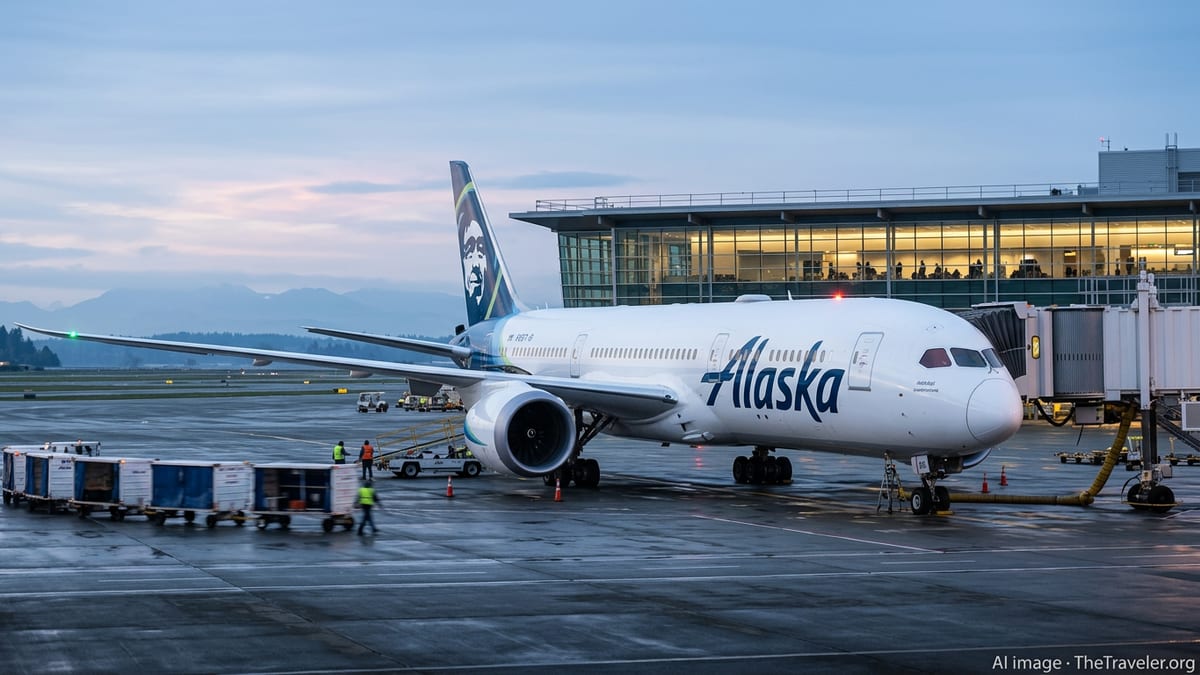
Extended waiver policies for Hawaii routes
According to publicly available information on the carriers’ advisory pages, the latest waivers apply to guests booked on select flights to, from and within Hawaii that have been delayed or canceled, or that fall within specified travel windows affected by adverse weather. The measures are intended to reduce out of pocket costs for travelers whose plans are disrupted at short notice.
The combined Alaska Hawaiian network is allowing eligible customers to change their itineraries without standard change fees. In many cases, reports indicate that fare differences are also being waived when travelers rebook within a limited time frame and remain in the same cabin and between the same city pairs. Guests who no longer wish to travel may be able to cancel and receive a credit for future use, subject to each ticket’s original rules.
Operational notices show that the waivers cover both Alaska branded and Hawaiian branded flights, reflecting the airlines’ integration under a single operating certificate. The more harmonized approach is designed to provide consistent options to guests regardless of whether their flight is marketed as Alaska or Hawaiian, particularly on interisland services that are highly sensitive to local weather.
Travelers are being advised through airline channels and media coverage to monitor their flight status closely and review the specific terms that apply to their ticket, including purchase dates, affected travel dates and eligible airports, as these can vary by event and region.
Who qualifies for the flexible options
Recent advisories indicate that eligibility for the extended waivers generally depends on three key factors: where a traveler is flying, when the ticket was purchased and the original travel dates. For example, previous Hawaiian and Alaska policies tied to storms or typhoons have specified that tickets must have been issued on or before a certain date, with travel originally scheduled in a defined multi day window.
Current information suggests a similar framework for the latest Hawaii related disruptions. Guests whose flights are canceled outright are being offered reaccommodation on the next available service at no additional cost. Those scheduled to travel during the advisory period, but whose flights are still operating, may have the option to voluntarily change to another date within the waiver window without paying standard change fees.
There are also distinctions based on how the ticket was purchased. Travelers who bought directly from the airlines through their websites, apps or reservations centers are typically instructed to manage changes through those same channels. Customers who booked via online travel agencies or traditional travel agents are often required to work with those third parties for rebooking, since the original issuing agent controls the ticket.
Published policy language points out that some tickets remain excluded. Basic economy style products, certain bulk or group fares and tickets issued by other airlines using different ticket stock may not qualify for the same level of flexibility, and instead follow the rules of the original issuing carrier.
Integration pressures and guest impact
The extension of waivers comes as Alaska and Hawaiian continue to knit together their operations and technology following their receipt of a single operating certificate. Public filings and company updates describe an ongoing transition to a shared passenger service system, a unified loyalty program and coordinated fleet planning for Hawaii service.
Industry analysts note that this integration, combined with busy leisure demand to the islands and lingering industry wide aircraft availability constraints, has increased the sensitivity of the network to localized shocks such as severe weather. When a storm system disrupts a limited number of flights into and across Hawaii, the knock on effects can be felt across multiple West Coast gateways and interisland corridors.
In that context, extending travel waivers serves both customer service and operational goals. By encouraging some travelers to shift their trips out of the most affected days, the airline can free up scarce seats for guests who must travel immediately, while reducing the volume of same day rebooking at airport counters. For passengers, broader change and refund options can help them avoid being stranded at crowded terminals or incurring additional accommodation costs when conditions deteriorate.
Online customer reports in recent days describe a mix of experiences, with some travelers able to adjust their Hawaii vacations at no extra cost under the waiver, and others facing long waits to reach agents by phone or chat channels as call volumes spike. Travel advisers are recommending that affected guests act quickly once a waiver is published, since the most desirable alternative flights can fill fast.
What travelers should know before changing plans
Consumer advocates and travel industry commentary suggest that anyone booked to or from Hawaii on Alaska or Hawaiian in the coming days should first confirm whether their flight is covered by an active waiver. The most reliable place to check is the airline’s official advisory page or app, where each event is listed with detailed eligibility criteria and deadlines.
Once coverage is confirmed, travelers are urged to compare options carefully. Rebooking within the specified waiver window and on the same routing will usually avoid any additional fare difference, while moving to different city pairs or outside the allowed dates may trigger extra costs. For those who decide to cancel altogether, credits and vouchers typically carry their own expiration dates and usage rules, which should be reviewed before making a decision.
Guests connecting from mainland U.S. cities to interisland segments also need to pay attention to how their itinerary is ticketed. A single through ticket issued by Alaska or Hawaiian often simplifies changes under the waiver, whereas separate tickets on different carriers can lead to gaps in protection and additional complexity if one leg is canceled and another still operates.
Travel planners note that weather related waivers usually do not obligate airlines to provide hotel accommodation or meal vouchers, since disruptions caused by storms are treated differently from mechanical problems. As a result, some travelers are opting to adjust itineraries proactively under the waiver rather than risk an overnight stay at their own expense if conditions worsen.
Broader ripple effects across the Hawaii market
The latest round of waivers from Hawaiian and Alaska is occurring against a backdrop of shifting capacity and pricing on Hawaii routes. Recent schedule announcements show the combined carrier adjusting its South Pacific network while increasing seasonal flying between Honolulu and secondary mainland cities, often using Boeing 737 aircraft configured for medium haul leisure demand.
At the same time, travelers and travel agents have noted higher average fares on some nonstop services between the West Coast and the islands compared with pre integration levels, citing fewer competitors on specific city pairs and strong demand during peak periods. In this environment, flexible waiver policies take on added importance for budget conscious travelers trying to protect costly vacation plans from last minute disruption.
Observers suggest that how Alaska and Hawaiian manage this latest disruption period, and how consistently they apply the extended waivers across both brands, will influence customer perceptions as the integration progresses. A smoother rebooking experience and transparent rules may help bolster confidence in the new combined network, while confusion over eligibility or long waits for assistance could prompt some travelers to consider rival carriers on future trips.
For now, travelers heading to or from Hawaii are being encouraged to stay informed, keep an eye on evolving advisories from the airlines and be prepared to adjust plans quickly if weather or operational issues trigger further cancellations that fall under the extended waiver policies.