


El Dorado International Airport in Bogotá is one of Latin America’s busiest hubs, and its curbside scene reflects that. Travelers stepping out of Terminal 1 often juggle tiredness, luggage and an immediate decision: request an Uber, DiDi or Cabify, or follow the signs to the official taxi line. The apps absolutely work at the airport, but pickup locations, airport rules and driver concerns can make the experience confusing, especially on a first visit to Colombia. This guide walks you through exactly how rideshare pickup works at El Dorado today, what to expect inside each app, how prices typically compare, and when the official airport taxi is actually the better option.
Get the latest updates straight to your inbox!
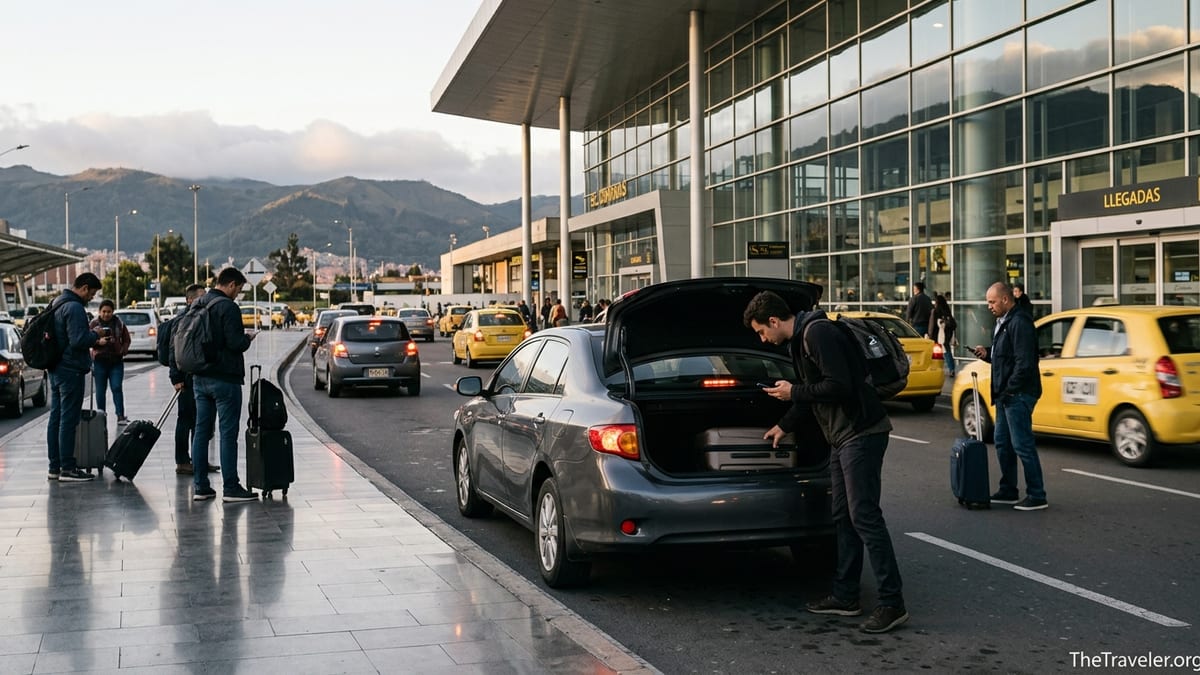
How Rideshare Apps Work at El Dorado Today
Uber, DiDi and Cabify all operate in Bogotá and are widely used by locals to and from El Dorado International Airport. In practical, day to day terms, you can open any of these apps on arrival, drop a pin at the terminal and request a ride just as you would in Mexico City, São Paulo or Madrid. Travelers arriving in 2025 and 2026 report routinely using Uber Comfort, DiDi Express or Cabify Lite between the airport and areas such as Chapinero, Zona G and La Candelaria without difficulty.
Legally, ride hailing in Colombia still sits in a gray zone between traditional taxi regulation and technology platform rules. Regulators in Bogotá have opened investigations into Uber, DiDi and Cabify and periodically update norms that affect how platforms can operate. For visitors, the key takeaway is more practical than legal: the apps are active, trips are being requested and completed every day, but rules about exactly where drivers may stop at the terminal can shift and are enforced unevenly. That is why pickup may feel less organized than in airports where rideshare has a dedicated, signposted curb.
Because of this regulatory backdrop, some drivers are cautious about stopping directly in front of the main arrival doors with rideshare branding visible. You may notice drivers asking you by in-app chat to walk to a specific door number, to a side lane or even to a nearby hotel driveway if traffic officers are visibly present. None of this means rideshare is unsafe; it simply reflects how drivers manage airport enforcement while still serving passengers. If you are prepared for a short walk and clear communication inside the app, using Uber, DiDi or Cabify at El Dorado is usually straightforward.
For travelers who prefer complete simplicity and a fixed, posted price, the official airport taxi stands remain an important alternative. These counters and curbside lanes are arranged in cooperation with airport authorities and are designed to funnel you into regulated yellow or white cabs at clearly marked points. Later in this guide we will look closely at when those official taxis may actually save you time or stress compared with rideshare pickup.
Finding the Pickup Zone at Terminal 1
El Dorado’s passenger operations are consolidated in a large Terminal 1, with a smaller Terminal 2 mainly used by certain regional carriers and charters. Most international and domestic travelers will exit through Terminal 1. When you open Uber, DiDi or Cabify on arrival, the apps typically default to a pickup pin in front of this terminal, and Uber’s own airport guide for Bogotá refers generally to the terminal’s pickup area rather than a separate rideshare garage.
In practice, most rideshare pickups at Terminal 1 happen along the arrivals curb on the lower level or on the upper departures level where traffic sometimes flows more smoothly. The exact spot can vary by time of day, traffic and enforcement. Some drivers prefer to stop near specific doors, such as between entrances where private vehicles can pause briefly, while others will ask you to meet them on the upper level, reachable by elevator or escalator from baggage claim. It is common for a driver to send a quick message like “Estoy en salidas, puerta tal” indicating they are at the departures level by a particular door.
To minimize confusion, do not rely solely on the map pin. After you request, immediately send the driver a simple description in Spanish or English: for example, “I am at Arrivals, Door 6, with a blue suitcase” or “I am going up to Departures, front of Door 4.” Many Bogotá drivers are used to foreigners and can work with basic English if you keep messages short and clear. Stand somewhere visible where a private car can legally stop for a minute or two, avoiding bus lanes or fenced-off taxi-only sections.
If the app’s pin insists on a location that clearly does not match where you are standing, such as across a traffic barrier, move your pin manually along the curb to a point where private cars are circulating. This small adjustment can reduce wait times dramatically. Drivers at El Dorado often decline trips pinned inside parking structures or restricted lanes because turning around is time-consuming and risks a conversation with traffic officers.
Real-World Prices and Surge at El Dorado
Prices from El Dorado into Bogotá vary by neighborhood, traffic conditions and demand, but travelers can use a few real-world examples as reference points. On a typical weekday evening, an Uber Comfort or DiDi Express ride from Terminal 1 to Zona Rosa or Parque 93 may cost somewhere in the range of the equivalent of 4 to 8 US dollars, while a ride downtown to La Candelaria might be slightly less or similar depending on congestion. At peak times such as Sunday evenings or after large football matches, surge pricing can push app quotes higher, occasionally nearing or surpassing what an official taxi would charge for the same route.
As with other major airports, ride hailing apps use dynamic pricing around El Dorado. When several flights land at once in the late evening bank, or when thunderstorms slow traffic across the city, you may open the app and see multipliers that make a short ride into the city center feel surprisingly expensive. In these moments, the yellow taxi line at the arrivals curb can be a useful backup. Official taxis from the airport often rely on a combination of meter and published airport supplements, which may keep the fare increase more moderate compared with app-based surge.
For example, a traveler arriving around 23:00 on a Friday might see Uber and DiDi quotes to Chapinero jump well above normal, particularly if heavy rain is falling. If the queue at the taxi stand is reasonable and you are comfortable with a regulated cab, it can be more economical to take a yellow taxi into the city that night. On the other hand, at 10:00 on a quiet weekday morning, app prices to the same address might undercut taxi costs by several dollars while offering a more modern vehicle and upfront fare transparency.
Most visitors find it helpful to check at least two apps before deciding. You may discover that while Uber is surging, DiDi or Cabify is still offering a standard rate, or vice versa. Locals often keep all three apps installed and simply choose the best option for that particular time and direction. If you do not have mobile data yet, connect to the airport’s Wi-Fi long enough to compare prices, request the ride and coordinate the pickup point.
Safety, Legality and Local Practice
Safety in Bogotá transportation is less about a single “safe” option and more about matching your comfort level with how things work locally. Many residents and long-term visitors use Uber, DiDi and Cabify every week to get to and from El Dorado, particularly in the evening or at night when public buses are less convenient. The apps allow you to share your trip with a friend, confirm the vehicle’s plate and model, and avoid handling cash if you pay by card, which many travelers appreciate.
Because of Colombia’s evolving regulations, you may occasionally encounter tension between traditional taxi drivers and rideshare vehicles at the terminal. This can manifest as verbal complaints, honking or pressure on airport security to move rideshare cars along. If you prefer to avoid any hint of conflict or feel uneasy about a driver asking you to walk farther from the terminal doors, you may be more comfortable heading straight to the official taxi queue inside the signed lanes, where operations are formalized and monitored.
When using rideshare, basic precautions go a long way. Confirm that the plate number and car model match exactly what appears in the app before you get in. If the driver suggests canceling the trip and paying in cash to “save on commission,” decline and either insist on staying within the app or request a new car. These off-app arrangements remove many of the protections that make Uber, DiDi and Cabify attractive in the first place, such as trip tracking and dispute resolution.
Travelers arriving late at night or after a long-haul flight often value predictability more than shaving a couple of dollars off the fare. If you are exhausted, traveling solo or carrying significant luggage or equipment, the official airport taxi, or a pre-booked private transfer that meets you with a sign, can feel much simpler than navigating crowded curbs, location pins and last-minute messages from a ride hailing driver.
When Official Airport Taxis Are the Easier Choice
El Dorado’s airport authority works with licensed taxi operators to provide an official taxi service from the terminal. At Terminal 1, these taxis queue in designated lanes along the arrivals level, typically between specific door numbers where airport signage directs passengers. The airport’s own information highlights an official provider for taxis and vans, emphasizing that these vehicles are authorized to operate directly from the terminal and are subject to airport rules and inspections.
The process is designed to be simple even if you do not speak Spanish. In many cases, you first approach an official kiosk or counter just outside customs, where staff ask your destination and either print a receipt with an estimated fare or confirm that the driver will use the meter plus a regulated airport fee. You then hand this slip to the taxi driver outside and pay at the end of the ride. This system reduces the risk of surprise pricing or informal haggle sessions at the curb.
Official taxis are particularly attractive at peak times, in heavy rain or if you arrive with family members who are not keen to wait or walk. Imagine landing at 19:30 with two small children and several suitcases while a storm pounds the runway. In that scenario, simply stepping into the official taxi lane, where vehicles are lined up, doors open, and staff help you load bags, is often worth paying a small premium compared with a carefully timed rideshare pickup.
There are, however, trade-offs. Some visitors note that airport taxis can be older vehicles with less interior space and comfort than a typical Uber Comfort or Cabify corporate car in Bogotá. Drivers may insist on cash payment in Colombian pesos, which requires either visiting an ATM in the arrivals hall or carrying local currency ahead of time. Parallel to that, rideshare allows you to charge the trip to a foreign credit card without handling cash at all, an advantage for many first-time visitors.
Comparing Uber, DiDi and Cabify From El Dorado
While Uber, DiDi and Cabify all provide similar core services, their experience at El Dorado can differ in small but important ways. Uber is the most widely recognized international brand among foreign travelers and often the first app they open. In Bogotá, Uber typically offers tiers such as UberX or Comfort, which may include newer vehicles, more legroom and drivers who have completed many trips to and from the airport. The app’s interface integrates an airport-specific help section that reminds riders to check designated pickup areas and to contact the driver for an exact meeting point.
DiDi, a Chinese-origin platform that has expanded significantly in Latin America, is popular among Bogotá locals for competitive pricing and promotional discounts. At certain times of day, the same route that costs one amount on Uber might appear noticeably cheaper on DiDi Express. Some travelers report that DiDi drivers are particularly comfortable with longer suburban runs from El Dorado to satellite towns or industrial areas west of the city, making it a good option if you are heading beyond central Bogotá.
Cabify positions itself as a more corporate-leaning service with a strong focus on pre-booked rides and business accounts. Many companies based in Bogotá use Cabify to move staff between the airport and offices, which in turn means that its fleet around El Dorado can include sedans and SUVs with an emphasis on comfort and professional presentation. For a traveler arriving for meetings in the financial district, opening Cabify upon landing may surface options that feel closer to a traditional car service experience than standard rideshare.
For a first-time visitor, the smartest approach is usually to install all three apps before your trip and set up payment methods at home. When your plane taxis to the gate, open each app in turn and compare not only the prices but also the estimated pickup times and drop-off times for your destination. If Uber shows a 15-minute wait but DiDi can have a driver at the curb in 3 minutes at a similar price, the decision is easy. If all three show similar wait times but only Cabify offers a larger vehicle class that will comfortably fit surfboards, musical instruments or heavy camera equipment, that may guide your choice.
Step by Step: A Smooth Rideshare Pickup
To make the process concrete, imagine arriving into Bogotá on a midday flight from Miami. After you clear immigration and customs at Terminal 1, you enter the public arrivals hall. Before stepping outside, connect to the airport’s Wi-Fi or your mobile plan and open the rideshare app you intend to use. Type your hotel name or address in Chapinero or Zona T as your destination, confirm the vehicle category and note both the price and estimated driver arrival time.
Once the driver has accepted your request, send a short message: “I am at Arrivals, Door 5, blue backpack” or similar. If you are comfortable navigating the building, consider going up one level to Departures, where pickup may be faster. In that case message, “I am at Departures, Door 3, by the glass wall.” Watch the little car icon approach on the map, but trust the driver’s text more than the exact pin location, especially if the app’s GPS is slightly off because of overhangs or structures.
As vehicles loop past, check each car’s plate number and model carefully. Only approach the one that matches the app. If several passengers are waiting with phones in hand, do not be shy about making yourself visible, for example by holding up your hand when you see a potential match. Once inside, confirm the destination with the driver in simple terms: say the neighborhood and any nearby landmark so they are confident about the route. Throughout the trip, you can watch the route in the app and use the share-trip feature so a friend or family member sees your progress in real time.
On your return trip to the airport, rideshare is usually more straightforward. Bogotá hotels and residential buildings are used to app-based pickups, and curbside enforcement is less intense than at the terminal. You simply request a car to your door, ride to El Dorado, and the driver drops you in front of Departures for your airline. The main thing to watch on outbound trips is traffic; during rush hours it can take 45 minutes or more from central districts, so request your ride with generous time before check-in closes.
The Takeaway
Using Uber, DiDi or Cabify at El Dorado International Airport is not difficult once you understand how the terminal layout, local enforcement and pricing patterns interact. The apps function normally, locals use them daily and most drivers are familiar with picking up foreign passengers from Terminal 1. The key is to avoid assuming there is a single, permanently marked rideshare curb. Instead, think of pickup as a flexible meeting between you and your driver somewhere along the arrivals or departures levels, coordinated by short in-app messages and a willingness to walk a short distance.
At the same time, do not overlook the value of the official airport taxi system. When you land in heavy rain, with tired companions or at an hour when surge pricing makes rideshare unusually expensive, stepping into the regulated taxi line or pre-arranging a private transfer can be the most comfortable decision. Bogotá offers several overlapping transportation options to and from El Dorado, and the safest, easiest choice for you may vary by time of day, your luggage, your Spanish level and your appetite for small navigational challenges.
If you arrive prepared with all three major apps installed, a basic understanding of the terminal layout and realistic expectations about surge pricing and pickup flexibility, you can usually secure a safe, reasonably priced ride into the city in under 20 minutes. Combine that with a backup plan of using official taxis when conditions are less favorable for rideshare, and you will be well equipped to start or finish your Bogotá trip without curbside stress.
FAQ
Q1. Can I use Uber, DiDi or Cabify directly from El Dorado Airport?
Yes. All three apps operate in Bogotá and you can request rides from Terminal 1, though pickup points and driver instructions may vary by time of day and enforcement.
Q2. Where exactly do rideshare drivers pick up at Terminal 1?
Most pickups happen along the arrivals curb on the lower level or on the upper departures level. Drivers often message you to meet near a specific door where private cars can stop briefly.
Q3. Is it legal to use rideshare at El Dorado?
Ride hailing in Colombia operates in a regulatory gray zone, but in practical terms the apps run normally and are widely used. Visitors are not targeted; enforcement, when it occurs, is directed at drivers and curb operations.
Q4. Are official airport taxis safer than Uber or DiDi?
Both can be safe when used correctly. Official taxis are tightly regulated and operate from marked lanes, while rideshare offers trip tracking, driver ratings and cashless payment. Choose the option that matches your comfort level and situation.
Q5. How much does a ride from El Dorado to central Bogotá usually cost?
Prices vary with traffic and demand, but app rides between the airport and central neighborhoods like Chapinero or La Candelaria often fall in the equivalent of a mid single digit to high single digit US dollar range in normal conditions.
Q6. What should I do if my rideshare driver asks me to walk away from the terminal doors?
It is common for drivers to request a pickup point slightly away from the busiest curbside sections to avoid congestion and enforcement. As long as the location is well lit, public and close by, this is a normal practice at El Dorado.
Q7. Do I need cash to pay for airport transportation?
You can pay by card in Uber, DiDi and Cabify, which many travelers prefer. Official taxis often accept cash in Colombian pesos, and some may offer card payment, but it is wise to have at least a small amount of local currency on hand.
Q8. Is it easy to find a rideshare late at night or very early in the morning?
Generally yes, but wait times can be longer and surge pricing more likely when many flights arrive together or during quiet overnight hours. If the apps show long waits or very high prices, the official taxi line is a solid backup.
Q9. Can I schedule a rideshare pickup from El Dorado in advance?
Some apps allow scheduled rides, but availability is not guaranteed. For maximum reliability, especially very late at night or early in the morning, consider a pre-booked private transfer or be ready to request in real time on arrival.
Q10. Which app is best for a first-time visitor to Bogotá?
There is no single best choice. Many visitors start with Uber because they already use it elsewhere, then compare DiDi and Cabify for price and wait time. Having all three installed gives you the most flexibility when you land.