


More news on this day
Emergency response teams converged on a freight train derailment in Bensalem Township, Pennsylvania, on Tuesday afternoon, prompting a shelter-in-place alert for nearby neighborhoods and temporarily disrupting rail operations in the busy Bucks County corridor.
Get the latest news straight to your inbox!
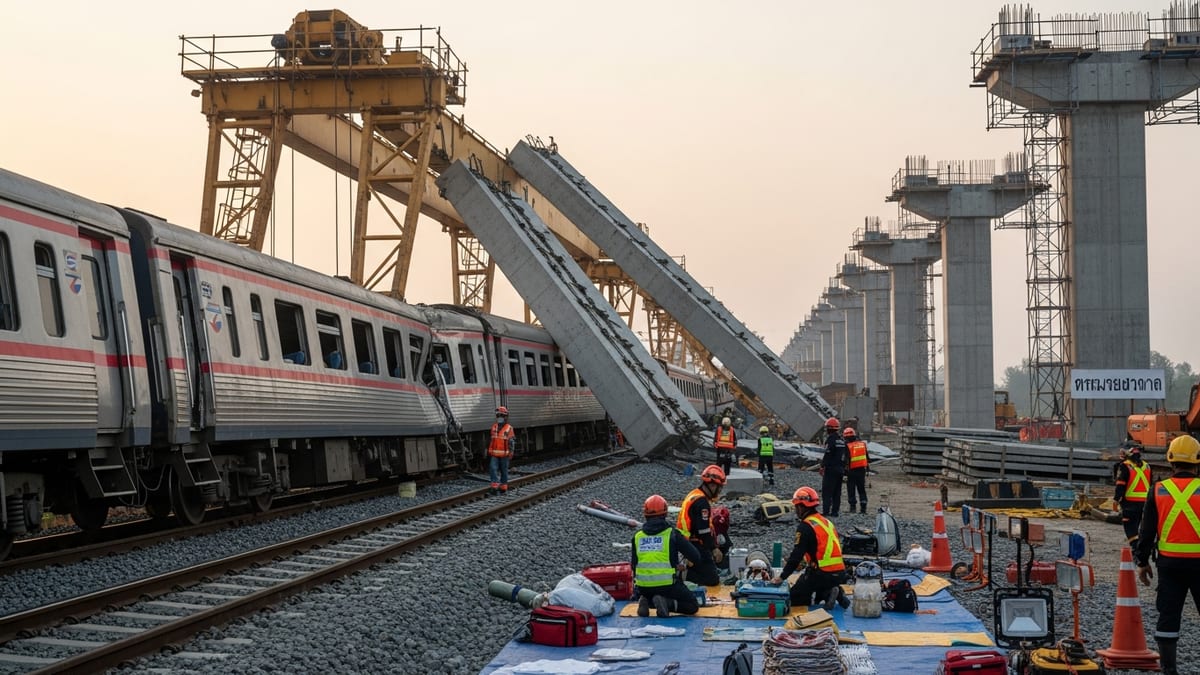
Multiple Railcars Off the Tracks Near Neshaminy Falls
Published coverage indicates that the derailment occurred between Street Road and the Neshaminy Falls train station in Bensalem Township, a densely developed area north of Philadelphia. Reports describe multiple freight cars leaving the tracks, with early estimates ranging from about five to ten railcars involved.
Images and video shared by local outlets show several cars jackknifed or leaning at sharp angles along a stretch of track bordered by commercial properties, roadways, and residential communities. The incident unfolded in midafternoon, a time when traffic is typically heavy on nearby routes, complicating access for fire and medical units.
Rail traffic through the area was halted as dispatchers routed other trains away from the affected segment. Commuter services using nearby lines experienced delays as dispatch centers worked around the blocked track and coordinated with ground crews to keep passengers clear of the response zone.
Early accounts do not indicate any large fires or visible plumes, but responders treated the incident as a hazardous materials concern until the contents of the railcars could be fully verified.
Rapid Emergency Response and Shelter-in-Place Advisory
According to local news reports, police, fire, and emergency medical services from Bensalem and surrounding communities responded quickly after the derailment was reported. Specialized hazmat teams and emergency management personnel were called in to assess potential risks from any substances being transported.
Publicly available information shows that a shelter-in-place alert was issued for nearby residents as a precaution while responders worked to identify the cargo and check for leaks. Residents were advised to remain indoors, close windows, and avoid the area around the tracks while the initial assessment was underway.
Traffic restrictions were put in place on streets near the derailment to keep access lanes clear for emergency vehicles and to prevent onlookers from gathering close to the site. Some businesses in the immediate vicinity temporarily restricted access or shifted operations as police and fire departments extended safety perimeters.
Regional emergency notification systems and local media updates helped relay instructions to residents, including guidance for those who needed to travel through the affected corridor during the evening commute.
Ongoing Investigation and Environmental Precautions
As of Tuesday evening, reports indicate that the cause of the derailment had not yet been determined. Rail operators and investigators began reviewing train speed, track conditions, and recent maintenance records, as well as potential issues related to weather or obstacles on the line.
Hazard assessments focused on whether any derailed cars contained fuels, industrial chemicals, or other regulated materials. In similar freight derailments around the United States this year, emergency crews have prioritized containing potential leaks, protecting waterways, and monitoring air quality near impacted communities.
Cleanup and recovery efforts at the Bensalem site are expected to extend into the coming days, involving heavy equipment to re-rail or remove damaged cars and repair track infrastructure. Environmental contractors typically assist in sampling soil and nearby drainage areas if there is any indication that cargo or fuel may have been released.
Rail service through the corridor is likely to remain limited until track inspections are completed and the route is cleared for regular operations, with railroads often implementing temporary slow orders even after the line reopens.
Derailment Adds to Regional Rail Safety Concerns
Tuesday’s derailment in Bucks County comes amid ongoing attention to rail safety in Pennsylvania and across the country. Recent incident summaries from state emergency management agencies describe multiple freight derailments in different Pennsylvania counties in 2026, some involving fuel leaks and complex cleanup operations.
Nationally, recent freight train accidents involving hazardous cargo have prompted questions about track maintenance, train length and weight, and the transport of chemicals through populated areas. Published analyses note that while railroads remain a key link in the supply chain, incidents in both urban and rural settings can lead to costly disruptions and heightened community anxiety.
Advocacy groups and transportation analysts have been urging closer scrutiny of routes that pass near homes, schools, and commercial districts similar to the Bensalem corridor. They point to episodes in other states this year where derailments in remote areas limited public impact but also complicated access for emergency responders.
The Bucks County incident is likely to add to calls for expanded rail inspections and clearer public communication plans for communities along freight corridors, particularly where multiple rail and highway networks intersect.
Community Impact and Next Steps for Travelers
Residents in the immediate area experienced traffic detours, emergency alerts, and visible emergency activity throughout much of the afternoon and evening. Commuters who rely on nearby passenger rail stations and regional highways encountered delays as routes were adjusted around the derailment site.
Travelers moving through this part of Bucks County are being advised, through media and transit updates, to check for service changes and road closures while the response continues. Rail passengers may face modified schedules, substitute bus services, or platform access changes as rail operators coordinate with emergency crews.
Local officials are expected to review the performance of alert systems, evacuation and shelter-in-place protocols, and coordination among neighboring municipalities once the immediate response transitions to recovery. Those reviews typically inform future planning, including how quickly travelers are notified of rail disruptions and how detour routes are managed.
For now, the focus in Bensalem remains on stabilizing the derailed train, confirming there are no lingering environmental hazards, restoring rail and road access, and providing clear information to residents and travelers as the situation evolves.