


More news on this day
A freight train derailment in Bensalem Township, Pennsylvania on Tuesday, June 30, 2026 triggered a large hazardous materials response and prompted nearby residents to shelter in place as emergency crews assessed the cargo and potential risk.
Get the latest news straight to your inbox!
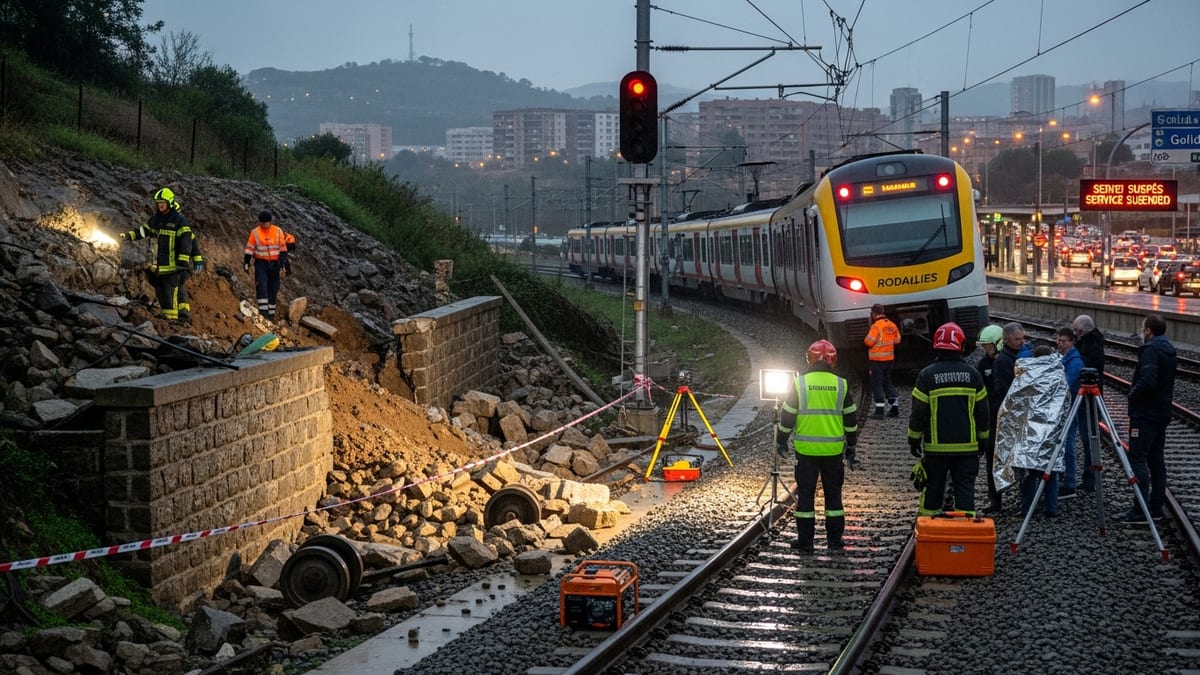
Derailment near key commuter corridor prompts emergency alerts
Initial reports indicate that several freight cars left the tracks in the Bensalem and Trevose area, between Street Road and the Neshaminy Falls rail station, a busy corridor in Bucks County north of Philadelphia. Coverage from regional outlets describes five to ten cars off the rails, some tilted or on their sides near adjacent properties and access roads.
The derailment occurred in the early afternoon, a time when both freight and passenger traffic typically move through the corridor, increasing concern for disruption. While early accounts focus on freight cars, public coverage notes that passenger services using the nearby line were being monitored for safety while inspections took place on adjacent infrastructure.
Local police, fire, EMS and specialized hazardous materials teams converged on the area, establishing a perimeter around the damaged train and closing nearby roadways to civilian traffic. Residents within the immediate vicinity received shelter in place instructions while crews moved in to identify the contents of involved cars and check for leaks, smoke or fire.
Images shared through local news and social platforms show emergency vehicles lined along neighborhood streets and rail access points as investigators documented the scene and contractors prepared for heavy recovery work that is expected to extend into the evening.
Hazmat cargo under scrutiny as isopropyl alcohol reported on scene
Publicly available information from people near the site and early media coverage point to the presence of hazardous materials among the derailed cars. Posts from residents who reported seeing hazmat placards reference isopropyl alcohol among the cargo, a flammable liquid commonly moved by rail for use in industry and consumer products.
Hazmat teams have been observed conducting air monitoring and visual inspections around the derailed cars while fire crews maintain a standby posture with foam-capable engines in case of ignition. As of the latest reports, there have been no confirmed major fires or large-scale vapor clouds, but the shelter directive remained in place for a period while teams worked to rule out immediate danger.
Rail tank cars and other specialized equipment carrying hazardous materials are subject to federal design and reporting standards, and incidents such as the Bensalem derailment typically trigger a standardized response protocol. That process includes identifying the exact materials on board, reviewing train consist records, and determining whether any breaches or slow leaks have occurred.
According to published coverage of similar recent derailments in the region, hazmat specialists often continue monitoring well after visible wreckage is stabilized, checking for lingering fumes, soil contamination or runoff toward nearby streams and drainage systems. That longer phase of the response can influence when residents are advised they may safely move about the area again.
Shelter in place alerts heighten concern for residents and travelers
The shelter in place advisory for neighborhoods around the derailment zone quickly became a focal point for residents who reported receiving phone calls, text alerts and social media notifications instructing them to stay indoors and keep windows closed. For travelers staying in roadside hotels or short-term rentals near the corridor, the alerts added an unexpected layer of disruption to afternoon plans.
Travel-oriented updates from local outlets emphasize that people in the immediate zone were asked to remain inside, avoid driving through the affected area and limit outdoor activity while hazmat crews conducted their initial assessments. For visitors unfamiliar with the area, this meant sudden changes to planned drives toward central Philadelphia, Trenton or area attractions accessed via Street Road and nearby interchanges.
Publicly available information from recent hazardous materials incidents in Pennsylvania and neighboring states shows that such alerts are often issued out of an abundance of caution when the precise condition of rail cars and their contents is not yet clear. In some recent cases, shelter in place directives were lifted within hours once monitoring data showed stable conditions and no significant airborne hazard.
In Bensalem, the timing and duration of the advisory are expected to depend on how quickly inspectors can confirm the integrity of hazardous cargo, remove or secure compromised cars and complete air quality checks. Until then, travelers passing through Bucks County by road or rail are being urged through media reports to budget extra time and be prepared for detours.
Rail traffic and road closures disrupt regional mobility
While the full scale of travel disruption is still developing, early coverage notes that sections of track and multiple local roads adjacent to the derailment have been restricted or closed to routine traffic. Police units have been directing drivers away from the rail crossing areas near Street Road, contributing to congestion on parallel routes and feeder roads.
Freight movements through the corridor are expected to face delays as rail operators reroute trains or hold traffic while the damaged consist is stabilized and removed. Where passenger services share or cross the affected trackage, published reports suggest that operators are evaluating whether to suspend or slow certain services until inspections confirm that signaling, overhead power and track geometry have not been compromised.
For travelers relying on rail to reach Philadelphia or New York from suburban Bucks County, service alerts and local media updates are emerging as key sources of information on schedule changes. Past derailments on busy lines in Pennsylvania have resulted in temporary cancellations or bus bridges, and transportation observers are watching for similar measures if the Bensalem cleanup extends into the midweek commute.
Road travelers using major corridors such as the Pennsylvania Turnpike and nearby interstates are not directly affected by the derailment location, but spillover traffic from local closures can lengthen drive times to regional shopping centers, business parks and hotels. Navigation apps and traffic services are beginning to reflect some of these slowdowns as the afternoon progresses.
Safety scrutiny grows amid wider pattern of derailment incidents
The Bensalem incident unfolds against a backdrop of heightened public attention to rail safety following several high-profile derailments involving hazardous materials across the United States in recent years. Federal safety reviews and state-level planning documents for Pennsylvania show an ongoing focus on track maintenance, equipment standards and emergency preparedness for communities situated along busy freight corridors.
Recent derailments in other parts of Pennsylvania and neighboring states have prompted multi-day cleanup operations, detailed environmental monitoring and extended travel disruptions. In those situations, publicly available reports highlight the central role of hazmat teams in containing leaks, protecting waterways and advising when residents may safely resume normal activity.
For travelers, the Bensalem derailment is a reminder that rail corridors often run close to residential neighborhoods, hotels and commercial districts that visitors frequent. Trip planners monitoring developments in Bucks County may wish to follow regional news updates for notice of prolonged rail service changes or local road closures near the Neshaminy Falls area.
As investigators begin the technical work of determining what caused the cars to leave the tracks, attention in the near term remains fixed on stabilizing the scene, protecting nearby communities and restoring safe, reliable movement of both people and goods through this key suburban gateway to the greater Philadelphia region.