


More news on this day
Russia has joined a widening group of destinations grappling with route changes, capacity cuts and shifting advisories as Emirates trims more than 40,000 seats and reshapes flights across major hubs from Dublin and Frankfurt to Copenhagen, Washington and Perth, intensifying a global wave of travel disruption that already spans Japan, Italy, Vietnam, Tanzania, Germany, Jordan and other markets.
Get the latest news straight to your inbox!
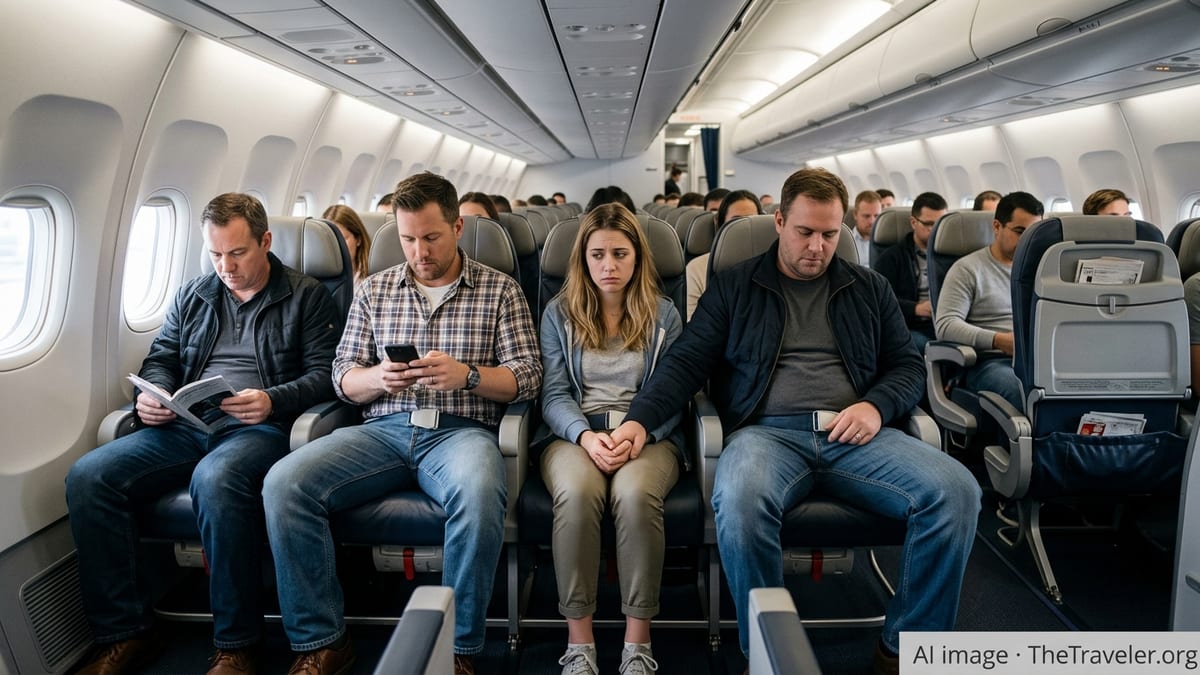
Emirates Pulls A380s and Shrinks Capacity Across Major Hubs
New schedule data for June 2026 shows Emirates removing Airbus A380 operations on multiple routes, including services touching Copenhagen, Frankfurt, Perth and Washington Dulles. Industry timetable analysis indicates that the double decker has been withdrawn or downgraded on at least ten city pairs, with smaller widebody aircraft stepping in on many sectors. The changes sharply reduce the number of seats available per flight and, in some cases, cut the volume of premium cabins that long haul travellers rely on.
In Europe, Frankfurt and Copenhagen stand out as key hubs affected by the latest reshuffle. Reports from specialist route trackers show that A380 rotations to these airports have disappeared from June schedules, replaced by lower capacity Boeing or smaller Airbus widebodies. Passengers on these routes are seeing aircraft swaps that can remove well over one hundred economy seats per departure, as well as altering the mix of business and premium economy seating.
The pattern is similar in long haul markets such as Washington and Perth. Publicly available flight history suggests that Emirates has repeatedly delayed or cancelled the return of A380 service on the Dubai to Perth corridor and instead is operating smaller jets on the route. Washington Dulles, which had been earmarked for enhanced service with the superjumbo, has also seen those plans pushed back and replaced by more modest capacity. For travellers, that translates into tighter availability in peak periods and a greater likelihood of schedule changes.
On the busy Dubai to Dublin link, schedule filings indicate that one of the daily rotations has been temporarily downgraded from a Boeing 777-300ER to the smaller A350-900 on select dates in late May and early June. While the route retains daily service, this aircraft substitution alone removes dozens of seats per day. Aggregated across the network, aviation data analysts estimate that similar moves account for more than 40,000 Emirates seats being trimmed in the current schedule window.
Fuel Prices, Fleet Refits and Geopolitics Squeeze Global Capacity
Emirates’ pullback is unfolding against a backdrop of surging jet fuel costs and regional security concerns that are reshaping air links across continents. Business coverage of the aviation sector in recent weeks has highlighted that carriers worldwide have collectively cut hundreds of thousands of seats for the peak northern summer, citing higher fuel bills, airspace constraints and the need to protect profitability. Some European airlines have scaled back short haul programs and consolidated frequencies from hubs such as Frankfurt, Munich and Zurich to save on fuel and crew costs.
At the same time, Emirates is in the middle of a multiyear fleet refurbishment plan that is changing the layout of its largest aircraft. Specialist aviation outlets report that the airline is reconfiguring certain high density A380s to add premium economy seating and more business class capacity while reducing economy seats by around 120 per aircraft. While these cabin upgrades improve the onboard experience and open new revenue opportunities, they also mean that the same number of A380 departures can now carry fewer total passengers than before.
Geopolitical tensions and shifting overflight patterns are adding further strain. Conflicts affecting parts of the Middle East have pushed some airlines to adjust routings or timings to avoid sensitive airspace, which can lengthen journeys and increase fuel burn. According to published analysis, network planners at several Gulf and European carriers have responded by trimming marginal routes or deferring capacity increases to contain costs and maintain schedule reliability, rather than overextending fleets at a time of heightened operational risk.
These overlapping pressures help explain why capacity changes are not confined to one airline or one region. Publicly available financial results for Emirates for the 2025 to 2026 financial year show that the group remains profitable but that overall seat capacity slipped even as passenger numbers dipped slightly. The company has emphasized fleet optimization and product consistency, but the practical effect for many travellers is a tighter network, particularly on routes served by the A380 and larger 777 variants.
Russia Joins Expanding List of Disrupted and High-Alert Destinations
Russia’s addition to the roster of countries facing elevated travel complexity comes through a combination of health notices, security advisories and air service adjustments. Updated travel health and safety notices list Russia among destinations where visitors are urged to pay close attention to evolving conditions, alongside countries such as Japan, Italy, Vietnam, Tanzania, Germany and Jordan. These advisories do not always prohibit travel but signal that conditions can change quickly, affecting border rules, domestic transport and medical support.
The broader region around Russia is also experiencing indirect turbulence from airline capacity moves. European network reductions from major carriers, including those at Frankfurt, Munich and other hubs used as gateways to Russia and neighboring states, are narrowing the options for one-stop itineraries that once relied on dense webs of connecting flights. Where frequencies have been trimmed, remaining services often depart at less convenient times or involve longer transit layovers, particularly for travellers originating in North America and Asia.
For travellers combining Russia with other destinations such as Italy, Germany or Jordan in multi-stop itineraries, these changes can make planning more complicated. Online booking data and customer reports shared on travel forums indicate that routings which previously offered same day connections through Dubai, Doha or key European hubs may now require overnight stays or forced changes in gateway airports. Sudden aircraft swaps can also alter baggage allowances and seating configurations, prompting some travellers to rebook entirely.
Russia’s inclusion in a growing matrix of advisories and airline schedule shifts illustrates how quickly the global map of perceived travel risk and convenience is evolving. Even where borders remain open, a combination of fewer seats, variable frequencies and heightened security scrutiny can turn what once were routine journeys into more fragile plans that require active monitoring up to the day of departure.
Knock-On Effects in Asia, Africa and Europe
Emirates’ capacity changes are reverberating well beyond the handful of cities where aircraft types have been swapped. In Asia, reductions or equipment downgrades on routes touching Japan and Vietnam are feeding into tighter connection options for travellers heading onward to Africa or Europe. Specialist coverage of regional aviation trends notes that carriers are prioritizing nonstop flights between financial and political centers, sometimes at the expense of secondary city links that once offered flexible connection windows.
In Africa, destinations such as Tanzania feel the impact when Gulf carriers and European airlines pare back frequencies or rely on smaller aircraft. Local tourism boards have cautioned in recent months that high season room bookings can outpace available long haul air seats, pushing up fares and potentially displacing price sensitive visitors. Where services from hubs like Dubai, Doha or Istanbul are reduced or re-timed, safari and beach itineraries built around tight transfer windows can become riskier to execute.
European destinations including Italy and Germany are confronting a double squeeze from both local and foreign carriers. Coverage from European business media has pointed to substantial summer flight cuts from a major German airline, even as Gulf carriers trim premium capacity into key cities such as Frankfurt, Munich and Milan. The net result is that some intra-European and long haul itineraries that previously offered multiple daily choices are down to one or two viable options, with higher average fares and less flexibility in case of disruption.
For passengers in smaller markets such as Jordan, the picture is similarly mixed. While core routes to global hubs remain in place, schedule data suggests that some services are being consolidated, shifting departure times and reducing the number of weekly flights. This raises the stakes for travellers reliant on single daily connections to reach long haul destinations, particularly when weather, air traffic control constraints or security incidents cause rolling delays.
What Travellers Should Expect in the Months Ahead
With airlines, regulators and health agencies all adjusting their guidance and schedules in near real time, the current pattern of global travel disruption appears unlikely to ease quickly. Analysts tracking flight data expect further fine tuning of long haul capacity through the northern summer, with Emirates and its peers continuing to swap aircraft types and tweak frequencies on routes linking Dubai to Europe, North America, Asia and Africa. Russia’s alignment with a cohort of countries subject to heightened advisories suggests that risk assessments for international trips will remain fluid.
Travellers booked on Emirates services through hubs such as Dublin, Frankfurt, Copenhagen, Washington and Perth should anticipate possible aircraft changes, time shifts and, in some cases, consolidation of lightly booked flights. Aviation forums are already documenting instances of passengers being moved to alternative departures or rerouted through different hubs when original services are adjusted. While these measures can help airlines maintain operational stability, they also demand greater flexibility from customers.
In practical terms, the combination of capacity cuts and country-specific advisories across Russia, Japan, Italy, Vietnam, Tanzania, Germany, Jordan and others means that long haul trips are more vulnerable to last minute change than they were a year ago. Industry observers recommend that passengers leave extra buffer time between connections, closely monitor booking management tools provided by their airlines and consider travel insurance products that explicitly cover schedule disruption. As carriers continue to rebalance networks in response to fuel prices, fleet projects and geopolitical risks, the only clear constant for global travellers is a heightened level of uncertainty.