


More news on this day
Europe has been ranked the safest global destination for travelers in a new analysis released by the European Travel Commission, reinforcing the continent’s reputation as a secure, reliable choice for millions of holidaymakers seeking peace of mind alongside culture, cuisine and coastline.
Get the latest news straight to your inbox!
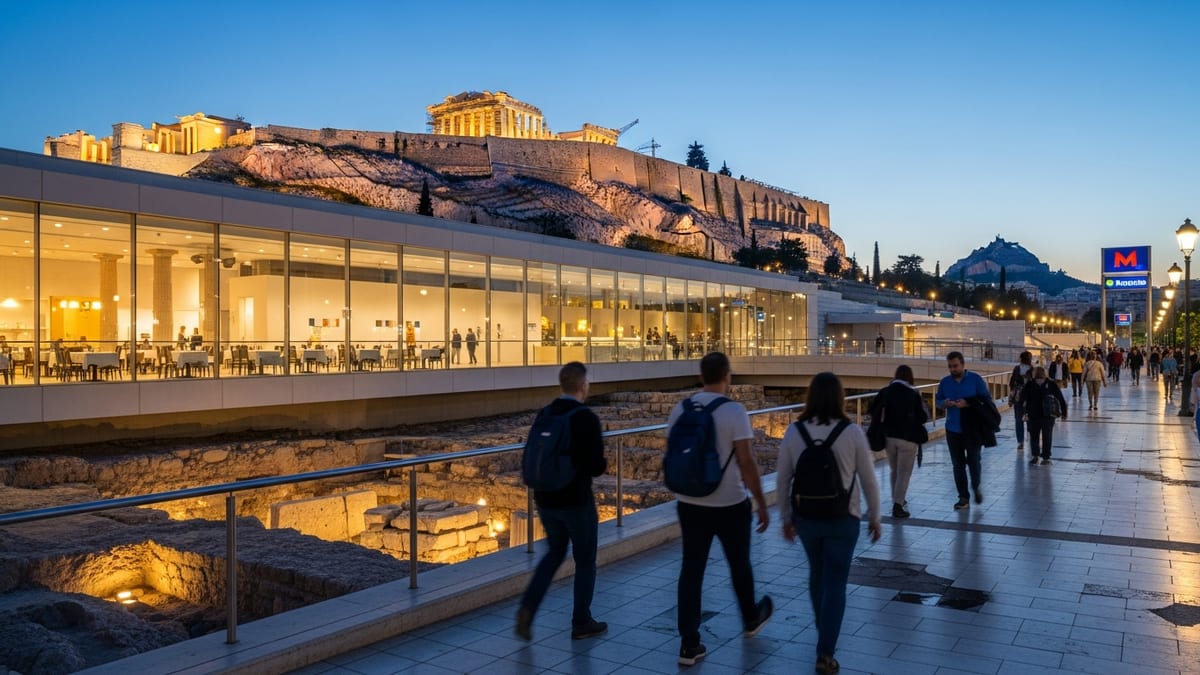
Safety Reputation Strengthens Europe’s Tourism Comeback
The latest findings from the European Travel Commission indicate that Europe continues to outpace other world regions in perceived safety, a factor that is increasingly central to destination choice for international visitors. The research, published in June 2026 as part of the Commission’s monitoring of long‑haul travel demand, highlights that travelers considering trips abroad regard Europe as the world’s safest region overall.
According to publicly available summaries of the study, Europe’s profile benefits from comparatively low crime indicators in many countries, robust public health systems and political stability when measured against several competing long‑haul destinations. These characteristics have helped sustain demand even as travelers weigh concerns ranging from geopolitical tensions to climate‑related disruption.
Broader tourism data show that the continent remains the world’s largest destination region by arrivals, with hundreds of millions of international visitors each year. Industry analyses point to safety, together with extensive air links and dense rail networks, as key reasons why travelers continue to choose Europe for city breaks, coastal holidays and multi‑country itineraries.
The European Travel Commission report frames safety as part of a wider effort to safeguard the long‑term competitiveness and resilience of tourism, aligning with European Union initiatives that encourage sustainable and high‑quality travel experiences. The emphasis on visitor confidence is presented as essential for maintaining Europe’s leading position in global tourism.
Why Travelers Perceive Europe as a Secure Choice
Publicly accessible material related to the Commission’s research suggests several drivers behind Europe’s strong safety image. Many European destinations perform well in international comparisons on peace, rule of law and personal security, reinforcing the impression that urban centers and resort areas are generally well managed and predictable for visitors.
Independent rankings of global travel and tourism conditions produced by organizations such as the World Economic Forum show European countries dominating the upper end of overall development and infrastructure indices. These assessments frequently cite reliable transport, healthcare access and professional emergency services as elements that can reduce perceived risk for tourists.
In addition, multiple surveys indicate that travelers associate Europe with walkable historic centers, efficient public transport and clear visitor information. While petty crime such as pickpocketing persists in busy hotspots, major European tourism cities often combine visible policing, surveillance and urban management measures that, according to open data, contribute to relatively low levels of violent incidents affecting tourists compared with some other global regions.
The perception of safety is also supported by consumer research from travel insurance providers and payment companies, which often identify Northern and Western European countries among favored destinations for secure travel. These findings complement the European Travel Commission’s view that concerns about security have not deterred demand for European trips and may, in some source markets, be encouraging travelers to choose the continent over alternative long‑haul options.
Reliable Transport and Infrastructure Underpin Trust
Beyond crime and security indicators, the European Travel Commission’s latest analysis highlights infrastructure as a core strength underpinning confidence in European holidays. Public information about the study shows that travelers value the continent’s dense network of airports, high‑speed rail lines and regional trains, which together offer multiple options for reaching and combining destinations.
The report notes that interest in rail‑based travel across Europe is rising, with a growing share of long‑haul visitors considering rail passes and point‑to‑point tickets as part of their itineraries. This shift reflects both environmental concerns and the perception that rail travel in Europe is a dependable, safe way to move between cities and countries.
Reliable accommodation standards and well‑established tourism services add further reassurance. From large hotel chains to family‑run guesthouses, European destinations generally operate within regulated frameworks covering safety, hygiene and consumer protection. Publicly available guidance from tourism boards, transport operators and local authorities is often provided in multiple languages, helping visitors understand rules, emergency contacts and practical tips.
Industry analysts also point to the role of digital infrastructure, with widespread mobile coverage, online booking systems and real‑time travel updates helping visitors navigate disruptions. These elements, while not unique to Europe, are seen as contributing to a sense that problems can be anticipated and managed without significantly undermining the trip.
Resilient Demand as Travelers Seek Confidence and Value
The European Travel Commission’s long‑haul travel barometers for 2024 and 2025 show that intent to visit Europe remains strong in key source markets, even against a backdrop of higher travel costs and global uncertainty. The new safety‑focused findings suggest that perceived security is an important reason why travelers are willing to commit to long‑distance trips to the continent.
Economic research from payment and tourism bodies indicates that visitors are refining their travel patterns rather than abandoning European trips altogether. Many are shifting from peak summer to shoulder seasons, extending stays in secondary cities and combining well‑known capitals with smaller, less crowded destinations. Analysts interpret these trends as a search for better value and calmer experiences while retaining the reassurance that comes with established European tourism infrastructure.
Travel industry reports further note that city rankings for quality of tourism experiences often place European destinations near the top, citing a blend of culture, safety, accessibility and variety. The combination helps Europe appeal to a wide spectrum of travelers, from first‑time visitors seeking iconic landmarks to repeat guests returning for food, nature and regional events.
Data on spending show that inbound tourism remains a major contributor to European economies, with growth supported by travelers who are prepared to invest in experiences they consider safe and reliable. The European Travel Commission frames this as evidence that fostering trust and predictability is paying dividends in terms of both visitor numbers and economic impact.
Balancing Safety Leadership with Emerging Challenges
While the European Travel Commission’s latest analysis positions Europe as the safest global destination, publicly available commentary around the findings stresses that this advantage is not guaranteed. The region continues to face challenges related to climate change, including heatwaves, floods and wildfires that can disrupt travel plans and strain local services during peak seasons.
At the same time, several cities and heritage sites are dealing with the pressures of overtourism, where crowding, rising costs for residents and strain on infrastructure can affect both quality of life and visitor experience. Some destinations have begun to introduce measures such as visitor caps, timed entry systems or new taxation tools designed to manage flows while maintaining safety and comfort.
Security considerations are also evolving, with authorities across the continent updating contingency plans, information campaigns and cross‑border cooperation in response to changing risks. Public documentation on these initiatives indicates an emphasis on preparedness and transparent communication so that travelers understand how incidents are handled.
The European Travel Commission’s message is that maintaining the continent’s reputation as the safest global destination will require continued investment in infrastructure, sustainable tourism policies and risk management. For now, however, the latest research suggests that travelers around the world continue to view Europe as a place where they can explore freely while feeling secure, a combination that remains central to the region’s tourism success.