


Finland combines Nordic efficiency with pristine nature, modern design, and a reassuring sense of order. Whether you are heading to Helsinki’s waterfront cafes, Lapland’s glass igloos, or the lake district’s summer cottages, understanding Finland’s entry requirements and on‑the‑ground practicalities will make your trip smoother and safer. This guide walks you through visas, passports, customs rules, and real‑world tips that first‑time visitors wish they had known before arrival.
Get the latest updates straight to your inbox!
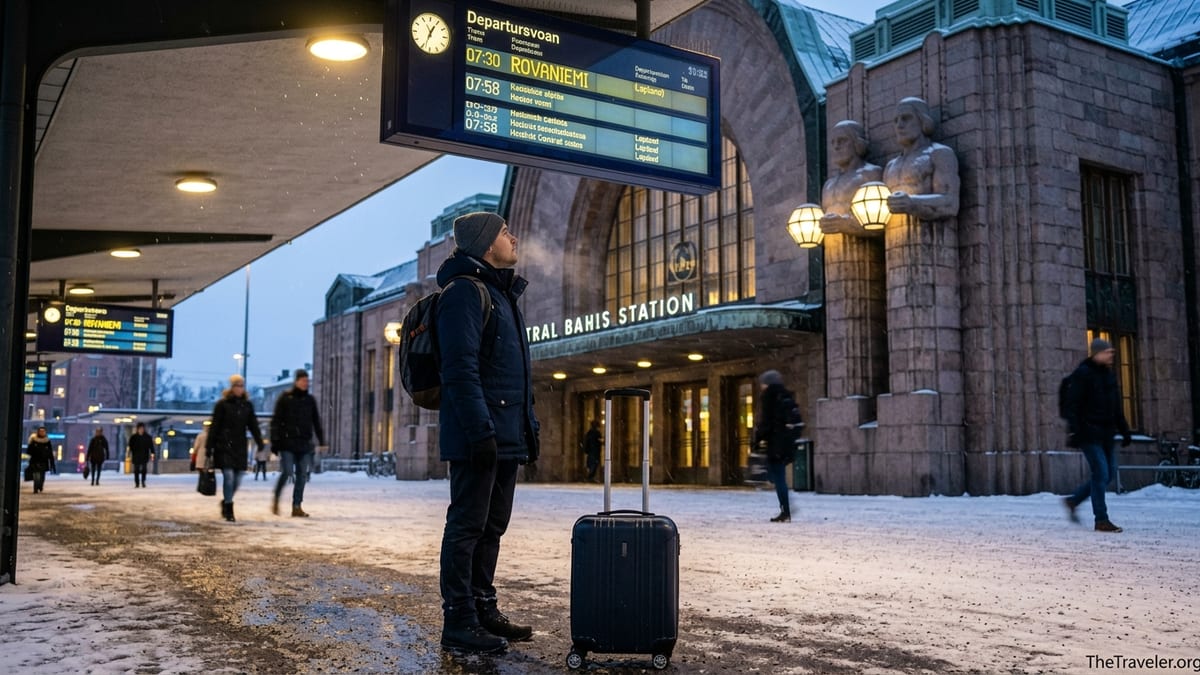
Understanding Finland’s Entry Requirements
Finland is part of both the European Union and the Schengen Area, which means that most short visits are governed by common Schengen rules. For many travelers, especially from Europe, North America, and parts of Asia and Latin America, this translates into either visa‑free entry for short stays or a straightforward Schengen visa process. As of mid‑2026, there are no routine Covid‑19 testing or vaccination requirements for tourists, although you should always check for any temporary health advisories before you travel.
Citizens of EU and Schengen countries can enter Finland with a valid national ID card or passport and can stay without time limits as long as they comply with EU free‑movement rules. For example, a French traveler flying from Paris to Helsinki can board the flight with a French ID card, and on arrival usually walks straight through the green “Nothing to Declare” channel after a quick document check, if any.
Travelers from many non‑EU countries, including the United States, Canada, the United Kingdom, Australia, Japan, and several others, can visit Finland visa‑free for up to 90 days in any 180‑day period as part of the wider Schengen visa‑waiver policy. A US traveler spending 5 days in Helsinki, 4 days in Tallinn, and 6 days in Swedish Lapland is using a single 15‑day Schengen stay, not three separate entitlements. Your passport must be valid for at least three months beyond your intended departure from the Schengen Area, and it is wise in practice to have at least six months’ validity remaining.
Nationals from countries that require a Schengen visa must apply in advance, usually at a Finnish embassy or a visa outsourcing center. In practice, that might mean a traveler from India applying for a short‑stay Schengen visa listing Finland as the main destination, then using that visa to visit Helsinki, Rovaniemi, and perhaps take a side trip to Stockholm. Processing times vary but can easily take two to four weeks in busy periods, so apply early, especially for Christmas and school holidays when Lapland is in high demand.
Passports, ETIAS and Border Checks
Regardless of where you come from, a valid travel document is always essential. For non‑EU nationals, this means a passport with blank pages and sufficient validity. For EU and Schengen citizens, a national ID card is often enough, but many still prefer to carry a passport, especially if their journey involves flights or ferries that may demand extra identification at boarding.
The EU is rolling out a new system called ETIAS, an electronic travel authorization that will eventually apply to many visa‑exempt travelers entering the Schengen Area. Once fully active, visitors from countries like the United States or Canada will need to complete an online application, pay a modest fee, and receive electronic approval linked to their passport before they can board a flight or ferry to Finland. In practice, it will function somewhat like the US ESTA system. Because implementation details can change, always check the European Commission or official Finnish border authorities’ information a few months before your trip.
On arrival in Finland, you will normally encounter passport control if you are coming from outside the Schengen Area, for instance on a direct flight from New York or a ferry from a non‑Schengen port. An officer may ask about the purpose of your trip and where you will stay. Having your first hotel booking or Airbnb confirmation ready on your phone, as well as evidence of a return ticket, can save time. Travelers arriving from another Schengen country by flight or train may experience no formal border check, although random spot checks do occur.
Remember that border formalities can tighten temporarily for security or migration reasons. During such periods, even EU citizens may see more systematic checks at airports and seaports. It is therefore prudent to allow extra connection time when transiting Helsinki Airport and not to assume that a 35‑minute transfer between non‑Schengen and Schengen flights will always be stress‑free.
Visas, Length of Stay and Registration Rules
For most tourists, Finland is a short‑stay destination. Under Schengen rules, short visits are capped at 90 days in any rolling 180‑day period. A Canadian graphic designer working remotely, for example, could spend a month in a Helsinki coworking space, return home, and then come back for another two‑month stay later in the year, as long as the total time inside Schengen over any 180‑day window does not exceed 90 days. Overstaying Schengen limits can lead to fines, entry bans, or difficulties when applying for future visas.
Visitors intending to stay longer than 90 days, work in Finland, or study at a Finnish university generally need a residence permit rather than a tourist visa. A Brazilian student admitted to the University of Helsinki, for instance, must apply for a student residence permit and show proof of funds and health insurance. These long‑stay permits are not covered by the standard Schengen visitor rules.
Unlike some European countries, Finland does not require tourists staying in hotels or official accommodation to register separately with the police or municipality. Hotels and guesthouses will collect passport details at check in and are responsible for logging visitors. If you are staying with friends or renting a private cabin in the countryside, there is no separate registration for ordinary short visits, although you should always have your passport or ID accessible for spot checks, particularly near external borders.
If you plan to move frequently in and out of Schengen, such as combining Finland with trips to the United Kingdom, Morocco, or Turkey, keep a simple log of your days in Schengen. Travelers have been caught out when they accumulated several short trips that together exceeded the 90‑day allowance. Free online Schengen calculators can help you track your days, and border guards may use similar tools when assessing your entry.
Customs, Money and What You Can Bring In
Finland applies standard EU customs rules, which differ for travelers arriving from another EU country and those entering from outside the EU. If you are arriving from within the EU, such as a ferry from Stockholm or a flight from Berlin, you can typically bring in consumer goods for personal use without paying extra customs duties. However, very large quantities of alcohol or tobacco may still raise questions about commercial intent.
For travelers arriving from outside the EU, there are duty‑free allowances for alcohol, tobacco, and other goods. For example, a visitor flying from New York to Helsinki can usually bring in a limited amount of spirits, wine, beer, and cigarettes for personal use within set thresholds, as well as new goods up to a certain value without paying customs duties. If you exceed these allowances, you may be asked to pay Finnish customs and excise taxes. Exact thresholds can change, so it is wise to check Finnish Customs’ current guidelines before loading up at the airport duty‑free shop.
You must declare cash of 10,000 euros or more, or the equivalent in other currencies, when entering or leaving the EU through Finland. This is a standard EU rule aimed at combating money laundering. For instance, if a business traveler carries 12,000 euros in cash to buy a second‑hand sailing boat in Turku, they must fill in a brief declaration form on arrival. Most tourists rely instead on cards and digital payments, which are widely accepted across Finland, from Helsinki’s cafes to small Lapland supermarkets.
Finland is extremely card‑friendly. International credit and debit cards from major providers are widely accepted, and contactless payments are standard even for small purchases, such as a 3 euro coffee at a Helsinki kiosk. ATMs are available in cities and larger towns, though they can be scarce in smaller rural villages. It is practical to carry a small amount of cash, perhaps 50 to 100 euros, for occasional situations where card systems are down or for very small countryside businesses, but most visitors find they can go days without using banknotes at all.
Health, Safety and Travel Insurance Essentials
Finland has an excellent public health system and is considered one of the safest countries in the world for travelers. Violent crime is rare, and petty crime like pickpocketing is relatively uncommon compared with many European capitals. That said, standard city awareness still applies: keep your phone secure in crowded tram lines, avoid leaving bags unattended in bars, and be cautious with valuables during big festivals or summer events on Helsinki’s waterfront.
While Finland does not currently require incoming tourists to show proof of health insurance, having comprehensive travel insurance is strongly recommended. A US traveler breaking an ankle while snowshoeing near Levi might need X‑rays, crutches, and potentially a short hospital stay. Without insurance, they could face a substantial bill. A reasonably priced travel policy that covers medical emergencies, evacuation, and trip interruptions can turn a crisis into an inconvenience rather than a financial disaster.
The health risks most visitors face in Finland are related less to infectious disease and more to the natural environment. In winter, icy pavements lead to slips and falls, particularly in cities like Helsinki, Oulu, and Rovaniemi where snow and compacted ice cover sidewalks for months. Good footwear with non‑slip soles or traction spikes can prevent injuries. In summer, mosquitoes can be intense around lakes and in Lapland, especially in June and July. Bringing a reliable repellent and lightweight long sleeves for evenings can make stays in lakeside cabins far more comfortable.
Pharmacies are easy to find in cities and are typically well stocked. Staff are used to helping travelers with minor issues in English, from recommending something for a sauna‑induced headache to advising on cream for a mosquito‑bitten child. For emergencies, the general emergency number in Finland is 112, which connects you to ambulance, police, or fire services. Save this in your phone before you arrive.
Getting Around: Transport, Driving and Winter Conditions
Finland’s public transport network is well organized and punctual. In Helsinki, you can move around easily by tram, bus, metro, and local trains using a unified ticket system. A visitor might buy a 72‑hour city ticket on arrival at Helsinki Airport, then use it seamlessly to ride the train into the city, board trams to explore design districts, and take a metro trip to the eastern suburbs. In other cities like Tampere and Turku, buses and trams cover most urban routes, and intercity trains provide comfortable connections between major hubs.
Many visitors are tempted to rent a car, especially when heading to Lapland, the Lakeland region, or remote coastal areas. Driving in Finland is generally calm and orderly, but conditions can be demanding in winter. Speed limits are typically 30 to 50 km/h in built‑up areas, around 80 km/h on rural roads, and 100 to 120 km/h on motorways in summer, with lower limits in winter. Headlights must be on at all times, even in bright summer daylight. The legal blood alcohol limit for drivers is 0.05 percent, and enforcement is strict, so even a couple of strong drinks can put you over the limit.
Winter driving deserves particular respect. Between roughly November and March, roads in much of the country can be covered in snow or ice. Car rental companies in Finland equip vehicles with appropriate winter tires during the season, often studded tires in the north. Still, braking distances are far longer, and local drivers expect newcomers to take it easy. A realistic winter itinerary from Rovaniemi to Levi, for example, might budget three and a half hours for a journey that looks like less than three hours on a map, to allow generous margins for slow traffic, snowplows, and breaks.
In Lapland, drivers must also watch for reindeer wandering onto the road, particularly in more remote sections between towns like Inari and Kittilä. Hitting a reindeer can be dangerous and costly, even with insurance. Rental agreements sometimes specify rules and fees for such incidents, so read the small print before signing. As a rule of thumb, you should reduce speed whenever warning signs for wildlife appear and avoid night driving in unfamiliar areas if you can.
Seasonal Considerations: Light, Weather and What to Pack
Finland’s extreme seasonal variations catch many visitors by surprise. In mid‑winter, Helsinki may have only around six hours of daylight, while in Lapland the sun may not rise above the horizon for weeks, creating a deep blue twilight known as the polar night. In contrast, from late May to late July, many parts of the country experience the midnight sun, where the sky remains bright for most of the night. These light patterns affect not only sightseeing but also sleep and mood, so packing accordingly matters.
For winter visits, packing effective cold‑weather gear is more important than bringing a large number of outfits. Temperatures in Lapland can drop below minus 20 degrees Celsius in January and February, while coastal cities like Helsinki often hover around freezing with damp wind from the Baltic Sea. Visiting travelers should think in layers: a moisture‑wicking base layer, an insulating middle layer, and a windproof, waterproof outer shell. Local tour operators that run activities like husky sledding or Northern Lights chases commonly lend thermal overalls and boots, but you will still want your own warm hat, scarf, and gloves.
In summer, Finland can be surprisingly warm. July afternoons in Helsinki often reach the low or mid‑20s Celsius, and lakeside temperatures can feel even higher in direct sun. Pack light clothing, but also bring a thin sweater or jacket, as evenings can cool quickly, especially near the coast or in the north. A compact rain jacket is useful year‑round, since showers can pass suddenly even in otherwise bright weather.
One small but very practical item is a good sleep mask, particularly in Finnish summer. Many hotels and apartments have blackout curtains, but not all do, and budget accommodations or older cottages might allow significant light to seep in. A traveler staying in a traditional lakeside cabin near Kuopio in June might discover that after midnight the sky is still glowing, and a mask can make the difference between a restful night and a series of short naps.
Local Etiquette, Saunas and Everyday Practicalities
Finnish social norms lean toward politeness, personal space, and a relatively quiet public demeanor. You will notice that conversations on trams and trains are typically subdued, and strangers rarely strike up small talk unless there is a clear reason. This does not mean Finns are unfriendly; rather, they show respect by not intruding. If you ask for directions or help, most people, especially younger Finns, will respond in clear English and often walk you part of the way to ensure you find the right platform or street.
Sauna culture is central to Finnish life and fascinates many visitors. It is entirely normal for business partners to share a sauna after meetings, for families to sauna together at cottages, and for apartment blocks to have shared weekly sauna slots. At public saunas in Helsinki or Tampere, you may encounter separate sessions for men and women or mixed sessions where swimwear is required. Always rinse off in the shower before entering the sauna, sit on a small towel if provided, and keep conversation low. If you are unsure about etiquette, quietly observe what locals do or ask the attendant.
Finland ranks as one of the world’s most digital societies, so you will find extensive free Wi‑Fi in cafes, libraries, and even some trains and buses. Helsinki Airport offers free Wi‑Fi throughout, making it easy to message your accommodation or download local maps on arrival. Purchasing a local prepaid SIM card is straightforward at airport kiosks or city supermarkets, and packages often include generous data at competitive prices. This can be helpful if you plan to stream navigation while driving through rural areas or to upload large numbers of Northern Lights photos.
Prices in Finland are generally higher than in many European countries, especially for dining out and alcohol, due to high taxes and wages. A basic lunch menu in a Helsinki bistro might cost around 12 to 15 euros, including a main dish, salad buffet, bread, and coffee. Budget‑conscious travelers often take advantage of supermarket ready meals and salad bars, which are of good quality. In Lapland, organized excursions such as snowmobile safaris or ice‑fishing trips can be pricey, so it is worth comparing offerings from several operators and looking for packages that combine several activities in one day.
FAQ
Q1. Do I need a visa to visit Finland for a short holiday?
For many nationalities, including US, UK, Canadian, Australian and several Asian and Latin American countries, short tourist visits up to 90 days are visa free under Schengen rules. Travelers from countries that require a Schengen visa must apply in advance through a Finnish embassy or visa center.
Q2. How long must my passport be valid to enter Finland?
For non‑EU visitors, your passport should generally be valid for at least three months beyond the date you plan to leave the Schengen Area, and having six months of remaining validity is a practical safety margin.
Q3. Are there any Covid‑19 entry restrictions for Finland now?
As of mid‑2026, there are no routine Covid‑19 testing or vaccination requirements for tourists entering Finland, but you should always check official Finnish health and border information before traveling in case temporary measures are reintroduced.
Q4. Can I drive in Finland with my foreign driving licence?
Most visitors can drive with a valid licence from their home country for short stays, and many non‑EU licences are accepted. If your licence is not in Latin characters, an International Driving Permit is strongly recommended, and car rental companies may have their own documentation requirements.
Q5. Is Finland safe for solo travelers, including at night?
Finland is widely regarded as very safe, including for solo and female travelers. Normal city awareness is still important, especially late at night in bar areas, but violent crime against tourists is rare and public transport is generally secure.
Q6. What kind of travel insurance should I have for Finland?
A policy that covers medical emergencies, evacuation, winter sports or outdoor activities if relevant, and trip interruption or cancellation is advisable. Medical care is high quality but can be expensive without insurance, particularly for non‑EU visitors.
Q7. Can I pay with cash, or do I need a card everywhere?
You can use cash, but Finland is highly cashless and cards are accepted almost everywhere, from supermarkets to public transport ticket machines. Carry a small amount of cash for occasional situations, but expect to rely primarily on debit or credit cards.
Q8. Is tap water safe to drink in Finland?
Yes. Tap water across Finland is safe, clean and often of very high quality, even in small towns. Many locals carry a reusable bottle and refill it from taps or drinking fountains.
Q9. What should I pack for a winter trip to Lapland?
Bring layered clothing including thermal base layers, a warm mid‑layer such as fleece or wool, an insulated waterproof outer jacket, insulated trousers, warm hat, scarf, gloves and good winter boots with traction. Many tour operators will provide additional thermal overalls and boots for outdoor excursions.
Q10. Is it necessary to tip in restaurants and taxis?
Tipping is not obligatory in Finland, and service charges are typically included in prices. Locals may round up a small amount in restaurants or taxis for excellent service, but no one will be offended if you simply pay the billed amount.