


More news on this day
Hundreds of flights across Australia and New Zealand were delayed or cancelled on July 4, disrupting operations at major hubs including Sydney, Melbourne, Brisbane, Perth and Auckland and affecting passengers on Qantas, Virgin Australia, Air New Zealand and several other carriers.
Get the latest news straight to your inbox!
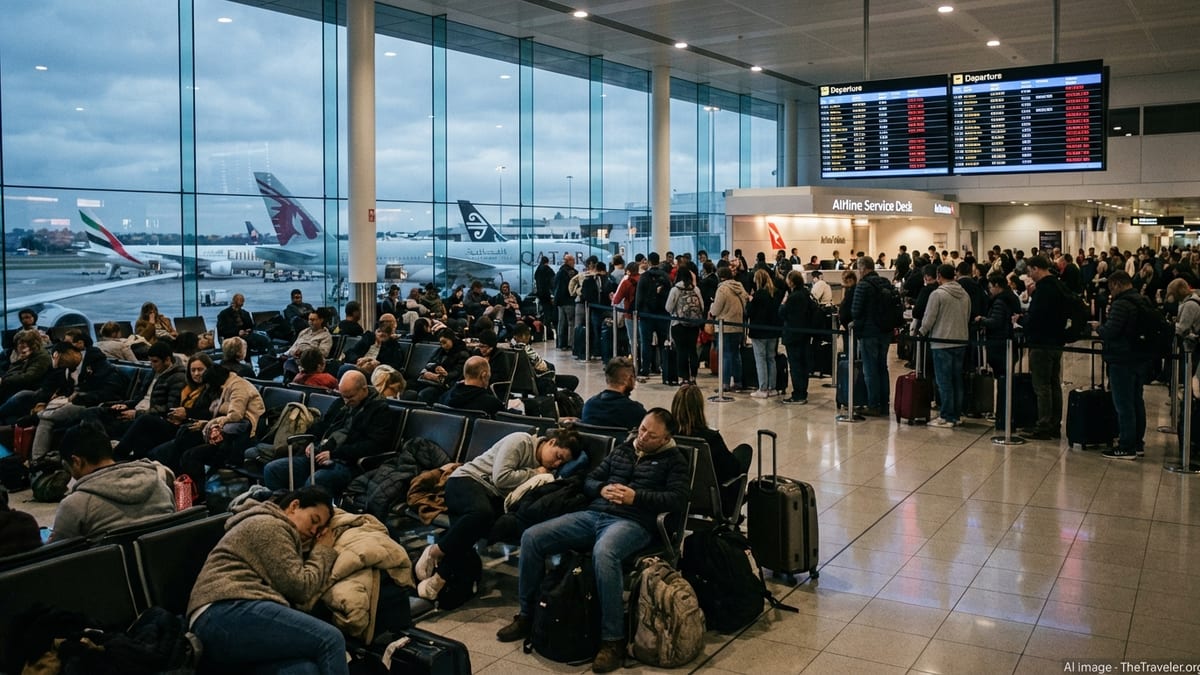
Major Hubs Log 363 Delays and 21 Cancellations
Operational data compiled from airport boards and aviation tracking platforms for July 4 indicate at least 363 delayed departures and 21 outright cancellations across key airports in Australia and New Zealand. The disruption was concentrated at Sydney, Melbourne, Brisbane, Perth and Auckland, with secondary impacts reported at smaller regional gateways handling connecting traffic.
Sydney Kingsford Smith recorded the largest share of affected services, with several hundred flights departing behind schedule and more than ten cancellations reported across domestic and international routes. Melbourne Tullamarine followed with a high volume of late-running services and a smaller cluster of cancellations, while Brisbane and Perth saw a mix of pushback delays and scrubbed flights that rippled through airline schedules for the rest of the day.
Across the Tasman, Auckland Airport also reported a busy day of disruption, with late arrivals and departures affecting both domestic links and trunk routes to Australian east coast cities. Tracking data show multiple trans-Tasman flights operating outside their scheduled windows, adding to congestion in airport terminals and at airline service desks.
The combined figures point to a difficult day for on-time performance across the region, with disruption levels significantly higher than typical daily averages published in recent aviation punctuality reports for Australia and New Zealand.
Qantas, Virgin Australia and Air New Zealand Services Affected
The disruption cut across most major carriers operating in the Australia and New Zealand markets, with Qantas, Virgin Australia and Air New Zealand among the airlines experiencing delayed and cancelled services. Publicly available flight trackers showed a series of late-running Qantas flights on busy domestic corridors as well as on trans-Tasman sectors linking Sydney, Melbourne and Brisbane with Auckland and other New Zealand cities.
Virgin Australia schedules were also affected, with delays reported on popular leisure and business routes, including services feeding the Sydney and Brisbane hubs. In some instances, aircraft arriving late into one city created knock-on delays for subsequent departures, a common pattern when irregular operations build through the day.
Air New Zealand services across the Tasman and within New Zealand registered notable punctuality issues, with several flights arriving and departing behind schedule between Auckland and Australian gateways. While the majority of affected services eventually operated, cancellations on a smaller number of sectors forced some passengers to be rebooked onto later departures or alternative routings.
Other carriers with a presence in the region, including low-cost operators and international airlines running tag flights through Australia and New Zealand, also reported schedule changes, though at a lower scale than the big three home-market brands.
Weather, Staffing and Network Complexity Behind Disruptions
Published coverage and operational summaries point to a combination of factors behind the spike in delays and cancellations, rather than a single incident such as an air traffic control outage. Intermittent winter weather, including low cloud and reduced visibility at times at coastal airports, created periods of arrival and departure constraints that cascaded across the day’s schedule.
In parallel, industry reports over recent months have highlighted ongoing staffing tightness in both airline operations and ground handling across Australia and New Zealand. When rosters are stretched, unexpected crew sickness or last-minute operational changes can make it harder for airlines to recover from early-morning disruptions, leading to further delays and occasional cancellations during peak bank periods.
The complexity of the trans-Tasman network also amplifies the impact of any irregular operations. Aircraft commonly rotate between domestic and international duties, so a late inbound flight from one city can delay its onward departure to another, affecting multiple groups of passengers. In some cases, airlines respond by consolidating lightly loaded services or cancelling individual sectors in order to reset schedules later in the day.
Recent government aviation on-time performance statistics for both countries have noted that even in more stable months, cancellation rates on certain Australia–New Zealand routes tend to climb during periods of adverse weather or operational strain, underscoring how quickly punctuality can deteriorate when several pressure points coincide.
Passengers Face Long Queues, Missed Connections and Rebooking Challenges
The elevated disruption translated into crowded terminals and extended waits at check-in counters, boarding gates and airline service desks. Passengers whose flights were delayed reported longer-than-expected times on the ground as aircraft awaited new departure slots, crew clearances or updated weather conditions.
For travelers with onward connections, particularly those transiting through Sydney, Melbourne and Auckland onto long-haul flights, the irregular operation increased the risk of missed links and unplanned stopovers. Trip-planning platforms and consumer advisories have consistently warned that tight connections across the trans-Tasman region can be vulnerable on days when multiple hubs are experiencing congestion.
Those whose flights were cancelled often had to navigate rebooking processes during already busy holiday and business travel periods. Public guidance from airlines and airport advisories generally encourage affected customers to use mobile apps and websites for self-service changes where possible, as digital platforms can sometimes offer faster access to alternative flights than in-person queues at the airport.
Travel experts recommend that passengers facing significant delays or cancellations keep records of notifications, boarding passes and receipts for meals or accommodation, as these may be relevant when seeking reimbursements or applying the consumer rights frameworks that apply in Australia and New Zealand to disrupted air travel.
What Travelers Can Do On High-Disruption Days
The latest round of delays and cancellations underscores how quickly conditions can change for travelers in the Australia and New Zealand aviation markets, particularly during the southern winter season. Trip-planning advice increasingly emphasizes building additional time into itineraries that involve trans-Tasman connections or multiple domestic legs on the same day.
Passengers are encouraged to monitor their flight status closely from 24 hours before departure, using official airline channels and airport information boards. Checking in online as early as allowed, confirming contact details, and enabling notifications can help travelers receive timely updates if schedules are adjusted.
For longer journeys that rely on critical connections at hubs such as Sydney, Melbourne or Auckland, travel planners often suggest selecting slightly longer layovers where options exist, trading a longer wait on a good day for a greater buffer if irregular operations emerge. This can reduce the risk of missed onward flights when departure boards start to fill with delayed services.
While the vast majority of flights in Australia and New Zealand still operate close to schedule on a typical day, the disruption figures recorded on July 4 illustrate that passengers using Qantas, Virgin Australia, Air New Zealand and other carriers may benefit from more conservative planning and a clear understanding of their rights and rebooking options when conditions deteriorate.