


More news on this day
London Gatwick saw another hectic travel day on Sunday, June 14, as live flight data showed clusters of delays, isolated cancellations and severe disruption on rail links serving the airport, complicating journeys for departing and arriving passengers.
Get the latest news straight to your inbox!
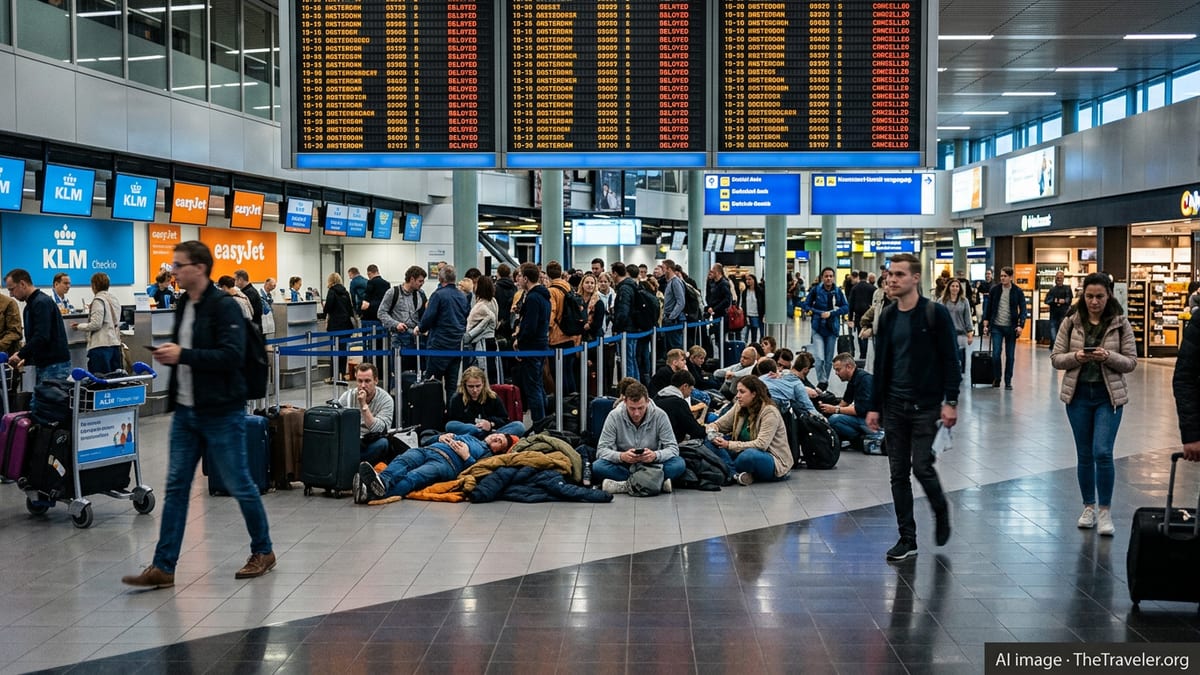
Mixed picture across departures and arrivals
Publicly available flight boards for London Gatwick on Sunday indicated a largely operating schedule with hundreds of services departing and arriving, but with intermittent disruption throughout the day. Data for morning and early afternoon departures showed a substantial number of flights leaving later than scheduled, reflecting wider congestion being reported across parts of the European aviation network on the same date.
The pattern was uneven rather than systemwide. Many short haul services to major European hubs departed close to schedule, while others heading to busy continental airports or late-morning leisure destinations showed delays ranging from modest slips to holds of more than an hour. At the same time, a relatively small number of flights were listed as cancelled, creating isolated pockets of more serious disruption for affected passengers.
Arrivals into Gatwick displayed similar variability. Some inbound services made up time en route and landed close to their planned arrival windows, while others from congested airspaces in western and central Europe reached Sussex significantly behind schedule. For most passengers, the disruption translated into longer waits at the terminal rather than wholesale changes of plan, but those on cancelled services faced rebooking or rerouting during an already busy travel weekend.
The overall picture placed Gatwick in line with a broader trend across European hubs, where aviation monitoring sites highlighted June 14 as a difficult day for on time performance, with knock on effects felt on both domestic and international routes.
European congestion and weather knock-on effects
The disruption at Gatwick unfolded against a wider backdrop of strained operations across Europe on Sunday. Aviation news outlets and tracking platforms described June 14 as a high pressure day for airlines and airports, citing a combination of heavy summer schedules, pockets of adverse weather and airspace bottlenecks in several countries.
Reports of severe congestion at other major hubs, including those in western Europe, indicated that some of Gatwick’s delays were linked to aircraft and crew running behind schedule on earlier legs. When long haul or multi sector aircraft arrive late from another airport, subsequent services can be pushed back, even when local weather and runway conditions remain generally favourable.
Operational issues at individual airlines also contributed. Recent weeks have seen carriers at Gatwick and other UK airports dealing with tight timetables and limited slack in fleets, meaning even minor technical checks or crew rescheduling can cascade into later rotations. Industry observers note that such pressures are particularly visible on busy summer Sundays, when demand peaks and recovery windows are narrow.
While conditions around Gatwick itself remained manageable from an airfield perspective, the combination of regional airspace constraints and the sheer volume of weekend traffic meant passengers were advised to monitor live departure information closely and allow extra time for their journeys.
Rail disruption compounds access challenges
For many travellers, the most disruptive element of the day was not on the runway but on the rails. Train operators serving Gatwick confirmed significant problems on the main line linking the airport with London and the south coast on Sunday, after infrastructure issues near Purley led to major disruption on one of the key approaches.
Service update pages for Gatwick Express and associated operators advised passengers that there were no direct Gatwick Express or Thameslink services on parts of the route for extended periods, with only a very limited Southern service running between London and coastal destinations. Replacement buses and alternative routings were in place, but crowding and long waits were widely reported by travellers heading to and from the airport.
Rail companies stated that tickets dated Sunday, June 14, would be accepted on Monday, June 15, at no extra cost, reflecting the scale of the disruption and the expectation that some passengers would be unable to complete their journeys as planned. Online commentary from affected commuters and holidaymakers described queues for rail replacement buses and extended journey times into central London.
The rail disruption placed additional strain on Gatwick’s landside areas as passengers arrived much earlier than necessary to hedge against train problems, or much later than advised after being caught in delays. For those already dealing with late running flights, the combination of schedule changes in the air and on the ground turned routine journeys into significantly longer travel days.
Airlines and passengers navigate a crowded Sunday schedule
Within the airport itself, Gatwick’s airlines worked through a dense programme of departures and arrivals. Low cost and leisure carriers, which account for a large share of Gatwick’s traffic, continued to operate the bulk of their scheduled services, with some rotations trimmed or consolidated where demand and operational circumstances allowed.
According to historical performance data, Gatwick has experienced elevated levels of delay on peak travel days in recent seasons, a reflection of both its role as a major base for European short haul flying and the pressures on air traffic management in the region. On Sunday, these structural factors appeared again, as airlines balanced high seat demand with the need to recover from earlier delays while keeping aircraft and crews available for Monday’s schedules.
Passengers faced a familiar set of choices when disruption hit: accept revised departure times, seek rebooking on later services, or, in the case of cancellations, request refunds or alternative transport. Travel advisories circulating on consumer channels urged passengers to keep boarding passes and receipts to support any potential compensation or reimbursement claims under applicable regulations.
Despite the challenges, most flights eventually departed, albeit sometimes significantly later than planned. Terminal operations remained busy but functional, with extended dwell times in security, seating and retail areas as travellers waited out delays.
What today’s disruption means for the days ahead
As Sunday’s operations wound down, attention turned to the potential impact on Monday services. Because aircraft often begin the next day’s flying where they finished the previous evening, late running on June 14 carried the risk of minor knock on delays into the early wave of departures on Monday, particularly for aircraft returning from overnight stops.
Travel information services encouraged passengers flying from Gatwick on Monday to check in online, arrive in good time and monitor live updates from their airlines. With rail services on the main line still expected to face restrictions into the morning, journey planning from London and the wider region remained a key concern.
Industry analysts note that days like Sunday, June 14, highlight the sensitivity of busy point to point airports such as Gatwick to external shocks in the wider European aviation and rail networks. Even when the airport’s own infrastructure is functioning, delays and cancellations elsewhere, combined with local access problems, can quickly ripple through to passengers.
For travellers, the experience underlines the value of flexible itineraries, travel insurance that covers delays, and a close eye on both air and rail updates, particularly on peak summer weekends when timetables are operating close to capacity.