


More news on this day
Hundreds of airline passengers were left stranded at Charlotte Douglas International Airport on June 13 as a wave of disruptions involving American Airlines, Delta Air Lines, United Airlines, Southwest Airlines, SkyWest and several regional partners produced 243 delayed flights and 20 cancellations, snarling connections across key domestic routes.
Get the latest news straight to your inbox!
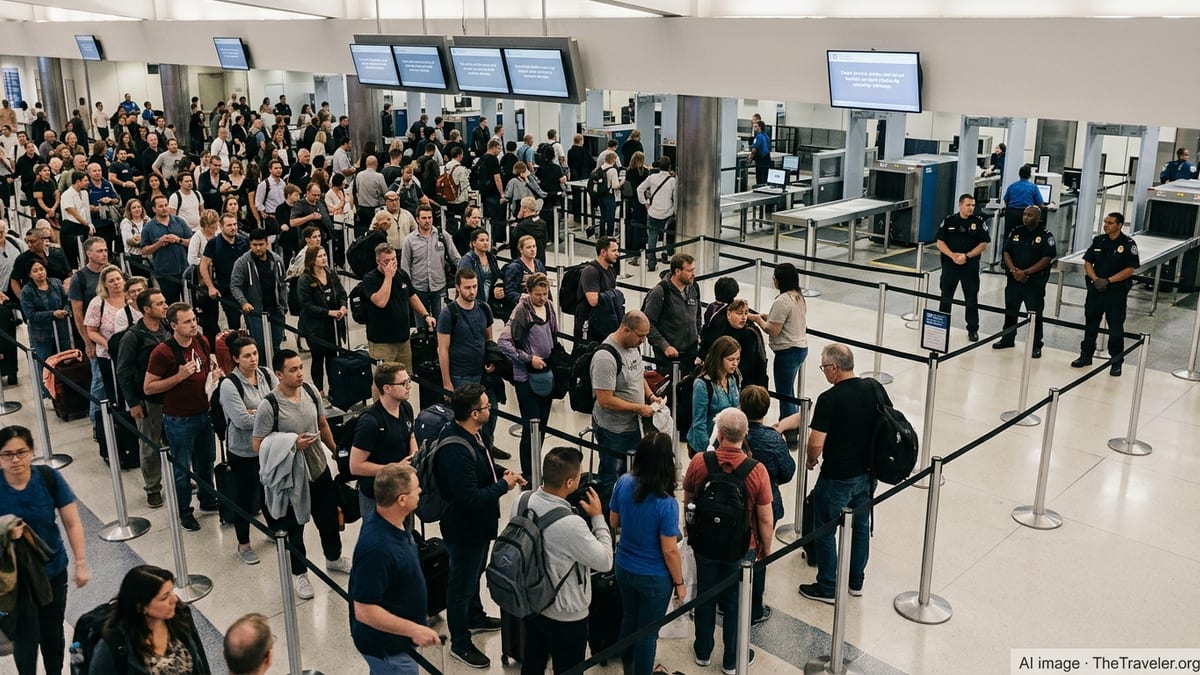
Wide ripple effects across major U.S. hubs
Publicly available operational data compiled from flight tracking services and transportation statistics indicates that the disruption at Charlotte Douglas International Airport concentrated on heavily traveled links to major hubs including Dallas, New York and Chicago. With Charlotte serving as a primary hub for American Airlines and an important station for several other large carriers and regional affiliates, delays there tend to cascade quickly through the national network.
The 243 delays recorded on June 13 affected departures and arrivals throughout the day, with some aircraft operating hours behind schedule and others returning to gates for extended holds. The additional 20 outright cancellations removed capacity from already busy city pairs, complicating rebooking efforts for travelers bound for business centers and weekend getaways.
Connections between Charlotte and Dallas in particular appeared under strain, according to live schedule boards and historical delay statistics for regularly scheduled services on that corridor. Routes to New York area airports and Chicago also showed clusters of late departures and arrivals, contributing to missed connections for passengers who had been planning to continue onward to secondary U.S. cities and Caribbean destinations.
Previously published coverage on recent travel snarls at Charlotte has highlighted how quickly a localized problem can spread when one of the nation’s largest connecting hubs experiences extended operational stress, a pattern that appeared to repeat itself as Friday’s disruptions unfolded into the weekend.
Multiple carriers and regional partners impacted
While American Airlines bore a significant share of the disruption because of its dominant presence at Charlotte Douglas, operational summaries show that Delta Air Lines, United Airlines, Southwest Airlines, SkyWest and other regional carriers also reported late-running flights and schedule changes. These carriers operate a mix of mainline jets and regional aircraft serving short and medium haul routes that feed into their own hub systems.
For some travelers, the most visible signs of trouble were clusters of delayed departures on regional affiliates that operate under major airline brands. Publicly available data referenced by independent aviation analysts attributes dozens of the recorded delays to flights marketed by large carriers but operated by contract partners such as PSA Airlines and SkyWest, which connect smaller cities to Charlotte.
In addition, recent government consumer reports on air travel performance show that the largest U.S. airlines and their regional operators have been experiencing sustained pressure on on time metrics this year, with weather, air traffic control constraints and tight aircraft utilization all cited as contributing factors. That broader context has left carriers with limited flexibility when irregular operations occur at a major hub.
The combination of mainline and regional disruptions on June 13 meant that passengers on everything from short hops within the Carolinas to longer legs to Texas, the Northeast and the Midwest faced long waits at gates, crowded customer service desks and repeated schedule updates on departure boards.
Causes tied to broader system strain
Flight tracking intelligence and recent aviation performance analyses suggest that the Charlotte disruptions are part of a wider pattern affecting U.S. air travel heading into the busy summer period. Earlier in May, nationwide delay waves tied to volatile weather systems, congested airspace and airport bottlenecks produced significant disruption at multiple hubs, including Charlotte, according to independent aviation news coverage.
Operational data published by federal transportation authorities for the spring travel period shows that several major airlines entered June with elevated delay rates compared with historical norms. Tight schedules, high load factors and limited spare aircraft have left airlines more vulnerable when a single hub experiences thunderstorms, ground stops or crew availability issues.
While detailed causal breakdowns for each of the 243 delays and 20 cancellations at Charlotte on June 13 were not immediately available in public data, the pattern of rolling disruptions across multiple carriers resembles previous events driven by overlapping weather and staffing constraints. Aviation analysts note that when thunderstorms or air traffic management restrictions affect departures in one part of the day, the resulting aircraft and crew imbalances can persist deep into the evening.
The timing of the Charlotte issues, coinciding with rising summer demand, suggests that passengers traveling through major hubs in the coming weeks may continue to face elevated risk of schedule changes, particularly on late afternoon and evening departures that rely on aircraft cycling in from earlier flights.
Passengers face missed connections and overnight stays
For travelers passing through Charlotte Douglas International Airport, the statistics translated into long hours in terminals and, in some cases, unexpected overnight stays. With 20 cancellations coinciding with more than two hundred delays, many passengers bound for Dallas, New York and Chicago found that their original itineraries quickly unraveled as connection windows disappeared.
Travel forums and social media posts from June 13 described crowded gate areas, long lines at customer service counters and difficulty securing alternative flights on the same day, particularly for those traveling in larger groups or on peak departure times. As capacity tightened on remaining services, some passengers reported being rebooked through alternative hubs, adding additional layovers and travel time.
Hotel availability near the airport and in the wider Charlotte area became an issue for travelers whose late night departures were cancelled or pushed into the following morning. Recent episodes of widespread disruption at other major airports have produced similar surges in last minute accommodation demand, and early anecdotal accounts from Charlotte on Friday suggested a comparable pattern.
For those who did manage to depart, extended tarmac waits and in flight delays sometimes resulted in missed onward connections at downline hubs, particularly in Dallas and Chicago. This secondary wave of disruption underscores how closely linked the major U.S. hub airports have become and how quickly operational stress at one node can ripple across the network.
What travelers can do when disruptions hit
The latest turmoil at Charlotte Douglas International Airport reinforces guidance that consumer advocates and travel analysts have been emphasizing ahead of the peak summer season. When delays and cancellations begin to mount at a hub, travelers often fare better if they monitor their flight status proactively through airline apps and third party trackers, rather than waiting solely for gate announcements.
Analysts also note that passengers with tight connections through busy hubs such as Charlotte, Dallas or Chicago may want to build in longer layover times where possible, particularly for afternoon and evening itineraries that depend on inbound aircraft arriving on schedule. Earlier departures tend to be less exposed to the cascading effects of system wide delays.
Publicly available on time performance statistics further suggest that choosing nonstop flights, when feasible, can reduce the risk of multi segment disruptions. For travelers who must connect, flying through hubs with multiple daily frequencies on the same route can improve the chances of same day rebooking if a flight is cancelled.
As the summer travel period intensifies, the experience of passengers stranded at Charlotte on June 13 illustrates how quickly a combination of weather, operational constraints and tight schedules can sideswipe even well planned trips, and why contingency planning has become an essential part of flying through the United States’ busiest hubs.