


More news on this day
Plans for a new direct air route between Sharjah in the United Arab Emirates and Issyk‑Kul in Kyrgyzstan are emerging as a strategic attempt to sidestep mounting summer transit disruption across major hubs, positioning the Gulf–Central Asia corridor for smoother peak‑season travel.
Get the latest news straight to your inbox!
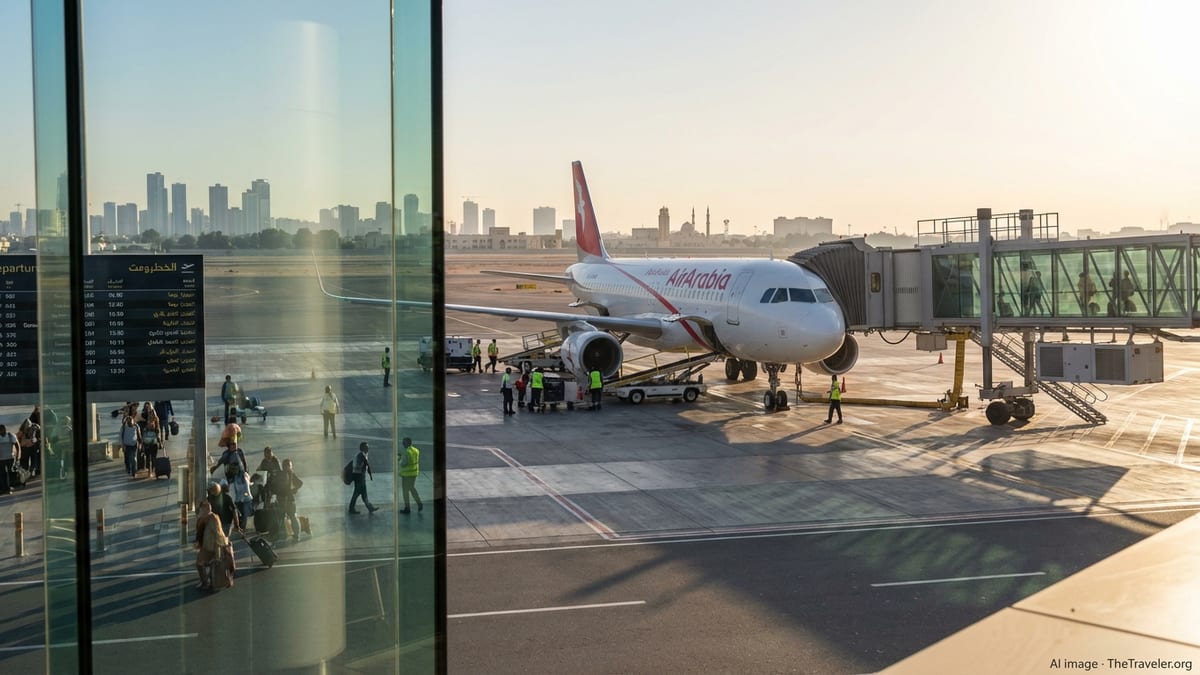
New Gulf–Issyk‑Kul Link Targets 2026 Peak Season
According to recent regional coverage, aviation authorities in the United Arab Emirates and Kyrgyzstan are working on a nonstop Sharjah–Issyk‑Kul service timed for the 2026 summer season. Initial indications suggest a seasonal schedule designed around the high‑demand window when Lake Issyk‑Kul’s resorts attract visitors from across Eurasia and the Gulf.
The proposed route would connect Sharjah International Airport to Issyk‑Kul International Airport at Tamchy, on the lake’s northern shore. Public information indicates that parallel talks are also under way on a Sharjah–Karakol link for the 2026 to 2027 winter period, which would support ski and mountain tourism in eastern Issyk‑Kul region.
While full schedules, operating carrier details and final regulatory clearances have yet to be published, the emerging plan fits into a broader trend of point‑to‑point seasonal links into Issyk‑Kul. Recent years have seen new or revived services from Central Asian and Gulf carriers into Tamchy and nearby airports as the region pushes to grow its tourism economy.
The Sharjah initiative represents the first attempt to turn one of the UAE’s key low‑cost and regional hubs into a direct feeder for Kyrgyzstan’s signature lake destination, instead of routing passengers through larger, more congested airports.
Bypassing Crowded Hubs and Summer Transit Turbulence
The timing of the Sharjah–Issyk‑Kul plan comes against a backdrop of heavily publicized congestion and disruption across several major transit hubs in recent peak seasons. Airline schedule changes, airspace constraints, and ground handling bottlenecks have led to longer connection times and greater risk of missed onward flights for travelers heading to secondary destinations such as Kyrgyzstan.
For many visitors today, reaching Issyk‑Kul still involves a combination of long‑haul flights into large hubs, regional sectors to Bishkek or Almaty, and then hours of overland travel. Publicly available accounts from travelers describe routings through Doha, Dubai, Istanbul or Central Asian capitals, often with tight or overnight connections at busy airports.
A nonstop Sharjah–Issyk‑Kul flight would remove at least one change of aircraft, reducing exposure to delays that tend to cascade at large hub airports during summer peaks. The concept aligns with a wider industry move toward more direct, leisure‑focused routes that keep passengers out of the most congested transfer points when seasonal demand surges.
Industry reports on capacity deployment show that carriers based in the Gulf and Central Asia have increasingly used secondary airports to absorb seasonal leisure flows, easing pressure on primary hubs and offering passengers more predictable journeys to resort areas.
Sharjah Strengthens Its Role as a Regional Connector
Sharjah International Airport has grown in recent years as a base for low‑cost and regional airlines serving the Middle East, South Asia, the Caucasus and Central Asia. Public timetables show a dense network of routes from Sharjah into Kazakhstan and Kyrgyzstan, including services to Bishkek and Osh that cater to labor, visiting‑friends‑and‑relatives and emerging tourism flows.
In that context, adding Issyk‑Kul as a seasonal destination would extend Sharjah’s reach deeper into Central Asia’s leisure market. It would also diversify the airport’s summer portfolio beyond its established flows to South and Southeast Asia and select European and Russian points.
For Kyrgyzstan, the move would complement efforts to upgrade regional infrastructure. Recent upgrades at Karakol International Airport and greater use of Issyk‑Kul International have been framed domestically as key steps in spreading tourism benefits beyond Bishkek. A Sharjah link would plug those investments into one of the Gulf’s busiest catchment areas for outbound holidaymakers.
The planned route also reflects growing aviation cooperation between Kyrgyzstan and several Gulf states, with carriers exploring direct links that reduce reliance on intermediate hubs and capture rising demand for outdoor and adventure tourism in the Tien Shan mountains.
What the New Route Could Mean for Summer Travelers
If implemented as outlined in recent reports, a nonstop Sharjah–Issyk‑Kul connection could significantly shorten overall journey times for Gulf residents and transit passengers heading to the lake. Instead of navigating multiple transfers and long road segments from Bishkek, travelers would arrive close to the resort belt on a single medium‑haul flight.
Tour operators focused on Central Asia are likely to view the route as an opportunity to package Sharjah stopovers with Kyrgyzstan itineraries, appealing to travelers who want to combine urban and beach experiences in the Gulf with trekking, horseback riding and yurt stays around Issyk‑Kul. The connection could also prove attractive to diaspora communities and seasonal workers traveling between Kyrgyzstan and the UAE.
For cost‑conscious passengers, the use of a UAE regional hub with established low‑cost operations may translate into more competitive fares than itineraries built around larger legacy hubs. By reducing the need for third‑country transfers, the route may also simplify visa and transit requirements for some nationalities, depending on the final schedule and fare structure published by the operating carrier.
Travelers considering the new option will still need to monitor final timetable announcements and any operational updates as summer 2026 approaches, particularly given the rapid pace of network changes across the wider region.
Central Asia’s Summer Skies Grow More Competitive
The Sharjah–Issyk‑Kul initiative forms part of a broader reshaping of Central Asia’s aviation map. New and revived services linking Issyk‑Kul with cities in Kazakhstan, Uzbekistan and beyond have increased competition for summer leisure traffic, with several airlines promoting direct access to the lake and nearby mountain resorts.
Analysts observing the region note that governments in Kyrgyzstan and neighboring countries are prioritizing tourism as a pillar of economic diversification. This has translated into airport refurbishments, targeted route incentives and campaigns to attract carriers that can deliver steady seasonal traffic.
By pairing a Gulf hub with Kyrgyzstan’s flagship resort region, the planned Sharjah–Issyk‑Kul link underscores how secondary airports and niche destinations are being woven into wider international networks. As airlines and regulators work through the operational details ahead of the 2026 high season, travelers stand to gain an additional option that avoids some of the most congested nodes in the global system while opening a more direct path to one of Central Asia’s most striking summer landscapes.