


More news on this day
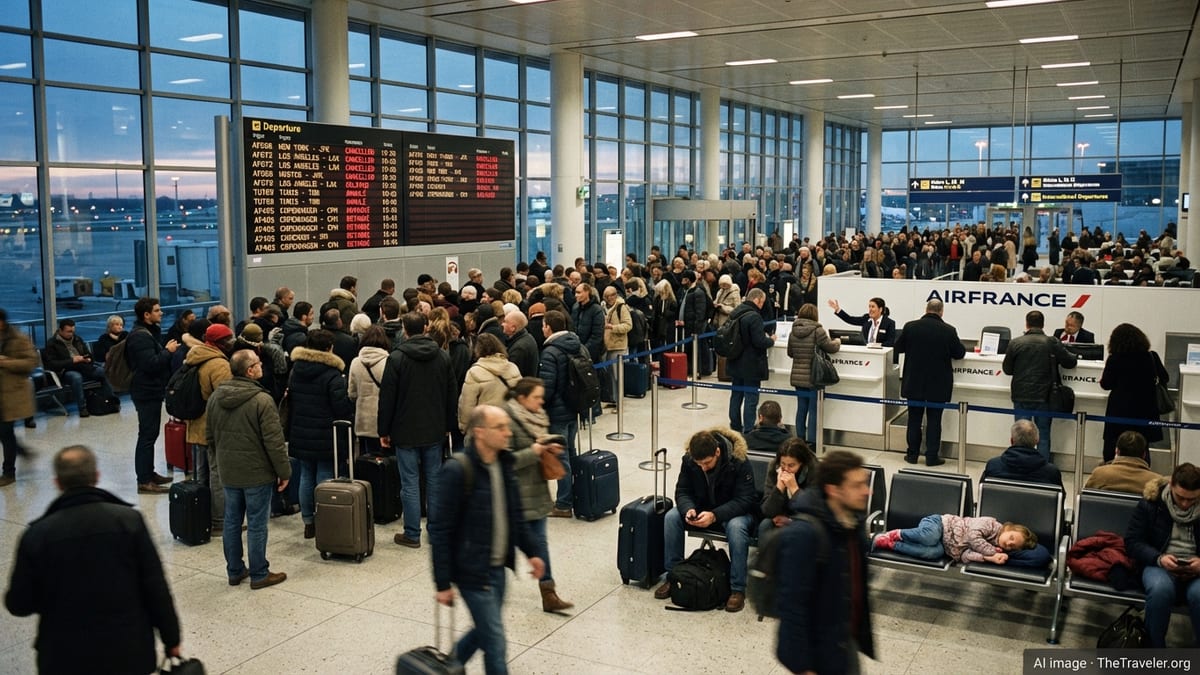
Hundreds of travelers at Raleigh–Durham International Airport encountered extensive disruptions on Sunday as a cluster of 19 cancellations and more than one hundred delays rippled across departures operated by PSA Airlines, Endeavor Air, Delta Air Lines, Southwest and American Airlines, complicating travel to major destinations including Boston, Houston, Miami, Orlando and Los Angeles.
Get the latest news straight to your inbox!
Widespread Disruptions Hit Key Domestic Routes
Publicly available flight tracking data for Sunday showed a pronounced build-up of irregular operations at Raleigh–Durham International Airport, with 19 flights listed as canceled and roughly 106 marked delayed over the course of the day. The disruptions were concentrated among carriers that dominate the airport’s domestic network, including regional operators PSA Airlines and Endeavor Air alongside mainline services from Delta Air Lines, Southwest and American Airlines.
Many of the affected flights connected Raleigh–Durham with core business and leisure markets such as Boston, Houston, Miami, Orlando and Los Angeles, multiplying the impact as missed connections and rebookings cascaded through airline networks. Travelers heading to large hubs faced the prospect of same-day plans unraveling, with some routings requiring multiple reissued itineraries or overnight stays.
Live airport status tools indicated that the volume of delayed departures from Raleigh–Durham far exceeded typical weekend variation, suggesting a combination of factors rather than a single isolated incident. While only a fraction of the airport’s total daily schedule was canceled outright, extended late departures effectively stranded large numbers of passengers in the terminal throughout the afternoon and evening.
Operational data and prior performance statistics published by the U.S. Department of Transportation show that the carriers involved generally maintain relatively low cancellation rates in normal conditions. The spike in disruptions at Raleigh–Durham underscored how quickly conditions can deteriorate when several regional and mainline operators simultaneously come under strain.
Regional Carriers PSA and Endeavor Under Pressure
PSA Airlines and Endeavor Air, which operate regional flights on behalf of major network carriers, played a significant role in the day’s disruptions. According to federal on-time performance summaries, both airlines typically complete the vast majority of their schedules without cancellation, but are especially exposed when weather, airspace flow programs or crew-availability issues affect their associated hubs.
At Raleigh–Durham, PSA connects many smaller and mid-sized cities into American Airlines’ broader network, while Endeavor serves as a feeder for Delta Air Lines. When regional aircraft are delayed or canceled, passengers not only lose point-to-point options but also onward connections through larger hubs, leading to missed flights to markets such as Boston, Houston or Los Angeles.
Recent transportation statistics highlight how regional carriers can experience compounding delays stemming from late-arriving aircraft and national airspace constraints. Sunday’s pattern at Raleigh–Durham reflected those pressures, with multiple regional departures posting extended ground holds and, in some cases, eventually dropping off schedules as cancellations.
For travelers, the distinction between regional and mainline operations is often invisible, since tickets are sold under the branding of the larger partner carrier. However, the operational realities for smaller aircraft and complex crew rosters can make regional flights among the first to be trimmed when schedules come under pressure, a dynamic that appeared to be at play in the Raleigh–Durham disruptions.
Major Brands Delta, Southwest and American Feel the Strain
Delta Air Lines, Southwest and American Airlines, all with significant footprints at Raleigh–Durham, also reported a series of delayed and canceled departures. Tracking platforms showed rolling disruptions across the day, with some flights departing substantially behind schedule and others removed from departure boards, forcing travelers to seek space on later services.
According to previously published Department of Transportation reports, Delta and American generally post among the higher on-time percentages in the domestic market, while Southwest carries one of the largest volumes of passengers. Even modest operational disturbances at an airport that functions as a growing regional hub can therefore affect hundreds of people in a matter of hours.
Raleigh–Durham’s role as a connecting point in the Research Triangle region means many travelers use the airport to access both coastal destinations such as Miami and Orlando and long-haul links via hubs in Boston, Houston or Los Angeles. When flights on major carriers from Raleigh–Durham are disrupted, the knock-on effects can extend to cruise departures, international connections and business travel across multiple time zones.
Sunday’s pattern added to a broader context of periodic systemwide strains across U.S. carriers as they navigate busy summer schedules. Industry data compiled in recent federal reports indicates that while overall cancellation percentages remain relatively low, late-arriving aircraft and national aviation system delays continue to be prominent drivers of disruption.
Weather, Airspace Programs and System Constraints
Meteorological observations near Raleigh–Durham on Sunday pointed to overcast conditions rather than severe local storms. However, aviation analysts frequently note that flight disruptions at one airport can be triggered by weather or congestion far away, as aircraft and crews flow through a national network of hubs and spokes.
Air traffic management tools provided by federal agencies show that ground delay programs, airspace flow restrictions and traffic-management initiatives are routinely used to balance capacity and demand on busy travel days. When such programs are active for large hubs served from Raleigh–Durham, aircraft can be held at the gate or on the taxiway, pushing back departure times and creating bottlenecks for subsequent flights using the same planes.
Operational data in recent government releases also points to the continued role of factors such as national aviation system constraints, extreme weather events and security-related slowdowns in contributing to delays and cancellations. For airlines with tightly timed schedules and high aircraft utilization, disruptions in any of these categories can propagate quickly through the day’s operations.
While specific causes for each canceled or delayed flight at Raleigh–Durham on Sunday varied by carrier and route, the combined effect was a familiar pattern of rolling knock-on impacts, as one late arrival compromised the next departure and available slack in the system rapidly disappeared.
Impact on Travelers and What Passengers Can Do
For passengers at Raleigh–Durham, the wave of cancellations and delays translated into hours spent in terminal seating, lines at customer-service desks and uncertainty about when they might reach their destinations. Families traveling to Orlando and Miami reported disrupted vacation plans, while business travelers bound for Boston, Houston and Los Angeles faced the risk of missed meetings and rescheduled commitments.
Consumer advocates frequently encourage travelers to monitor their flights through both airline apps and independent tracking tools, particularly during busy weekends or when news of regional disruptions begins to surface. Same-day adjustments, such as accepting earlier connections or routing through alternative hubs, can sometimes reduce the risk of becoming stranded when cancellations start to build.
Publicly available guidance from transportation regulators also reminds travelers that they may be entitled to rebooking assistance, meal vouchers or hotel accommodations in some circumstances, depending on airline policies and the cause of the disruption. Passengers whose plans are substantially altered are often advised to keep detailed records of expenses and communications in case they pursue compensation or reimbursements later.
With the summer travel season already placing heavy demand on flights into and out of Raleigh–Durham, the events of Sunday serve as a reminder that even a limited number of cancellations and a surge of delays can ripple widely through individual travel plans. Observers suggest that building extra time into itineraries and being prepared with backup options remains one of the few practical defenses against sudden schedule upheavals.