


More news on this day
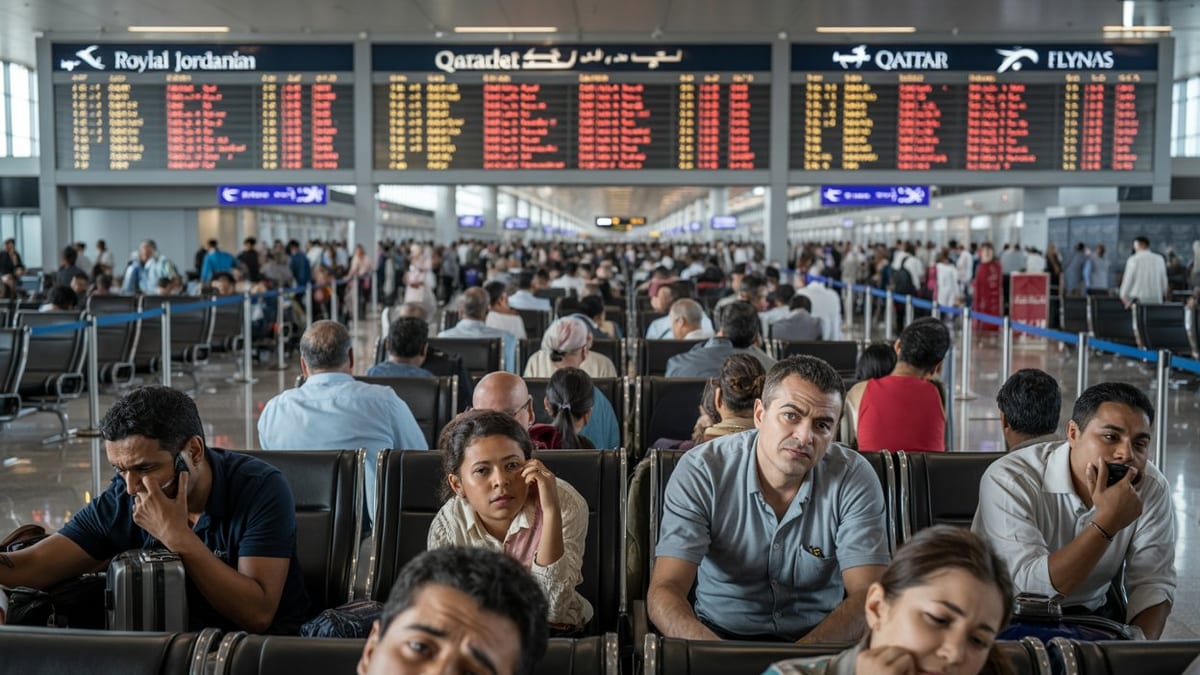
Travelers at Minneapolis St Paul International Airport in Minnesota have faced extended waits and missed connections after 116 flights were delayed and 6 were canceled, disrupting operations for Delta Air Lines, Sun Country, Endeavor Air and other carriers on key domestic and international routes.
Get the latest news straight to your inbox!
Heavy Delays Hit a Key Upper Midwest Hub
According to recent operational data and published coverage, Minneapolis St Paul International Airport has experienced an unusually high concentration of flight disruptions, with 116 delays and 6 cancellations recorded on a single busy travel day. The figures place the airport among the more affected hubs in the United States this week, as weather and network congestion complicate airline schedules nationwide.
The disruptions have affected a mix of early morning, mid day and evening departures and arrivals, leaving travelers stranded in terminals or queued at rebooking counters. Publicly available flight tracking information shows that departure banks intended to feed onward connections across the country have been particularly hard hit, amplifying the impact well beyond Minnesota.
Minneapolis St Paul serves as a major connecting point in the Upper Midwest, so delays at the airport often cascade into missed links at downline airports. Reports indicate that some passengers bound for business meetings, family events and international vacations were forced to seek same day alternatives through other hubs, or to postpone their journeys entirely.
While the number of outright cancellations remained relatively low compared with the broader national picture, the high volume of delayed operations contributed to extended periods of congestion on airport concourses and at boarding gates throughout the day.
Delta, Sun Country and Endeavor Among the Most Affected Carriers
Delta Air Lines, which maintains a large hub at Minneapolis St Paul, appears to be among the most affected operators, with multiple delayed departures to major cities including Chicago, Atlanta, New York and Los Angeles. Recent airline scheduling changes at the airport, combined with elevated fuel costs and tight aircraft utilization across the U.S. network, have already placed added pressure on the carrier’s operations.
Regional affiliate Endeavor Air, which operates many of Delta’s shorter haul and feeder routes under the Delta Connection brand, has also seen disruption. Public schedules and route maps show Endeavor linking Minneapolis St Paul with numerous smaller communities, meaning delayed regional jets can prevent travelers from reaching or leaving secondary markets on time.
Sun Country Airlines, based in Minnesota and focused on leisure travelers, has likewise been caught in the current wave of irregular operations. The carrier’s mix of domestic routes and seasonal international services from Minneapolis St Paul to sun and beach destinations can make it especially vulnerable to tight turnarounds and staffing limitations when delays start to build.
Other domestic and international airlines serving the airport have reported knock on effects as they adjust departure slots, aircraft rotations and crew assignments to work around congestion and restricted arrival windows into Minneapolis.
Ripple Effects to Chicago, Atlanta, New York, Los Angeles and Denver
The latest delays and cancellations at Minneapolis St Paul have not been contained to Minnesota. Flight tracking boards for major hubs across the U.S. show knock on schedule changes on routes linking Minneapolis with Chicago, Atlanta, New York, Los Angeles and Denver, among others.
Chicago area airports, already managing their own weather related and volume related challenges this week, have recorded additional late arrivals from Minneapolis, compressing turnaround times and pressuring on time performance for subsequent departures. Similar patterns are visible at Atlanta, the country’s busiest hub, where delayed inbound flights from Minnesota can push crews and aircraft closer to federally regulated duty and utilization limits.
Flights between Minneapolis and New York area airports, including services to LaGuardia and other major gateways, have also experienced extended taxi and holding times. In some cases, aircraft arriving late from Minneapolis have continued on to other East Coast destinations behind schedule, extending the disruption across several sectors.
On long haul domestic links to Los Angeles and Denver, delays out of Minneapolis have forced many travelers to miss onward international or transcontinental connections. Travel industry reporting indicates that rebooking demand has increased across multiple carriers as passengers seek to reroute via alternative hubs to salvage their itineraries.
Weather, Network Strain and Systemic Factors Drive Disruption
Recent coverage of aviation conditions across North America points to a combination of severe weather, shifting jet stream patterns and operational constraints as key contributors to the current wave of flight delays. Storm systems and unstable conditions across multiple regions have led to ground delays, reroutes and air traffic flow restrictions at several major hubs, including those directly linked with Minneapolis St Paul.
Industry analysts note that even on days with relatively clear local conditions at Minneapolis, the airport can experience significant knock on disruption if connecting hubs such as Chicago, Atlanta, New York or Denver are affected by storms or low visibility. When arrival and departure rates are temporarily reduced at one or more of these hubs, aircraft and crew availability quickly becomes misaligned with published schedules.
At the same time, publicly available data on flight performance across the United States this month show elevated levels of delays systemwide, reflecting what observers describe as ongoing structural strain in airline networks. High demand, tight staffing, aircraft maintenance needs and air traffic control staffing limitations have all been cited in recent reporting as factors that limit airlines’ ability to recover quickly when weather or technical issues arise.
Minneapolis St Paul’s role as both a large connection point and a base for hub carriers means it is particularly exposed to these systemic stresses. When irregular operations occur elsewhere in the network, the impacts often converge in Minnesota, leading to crowding in terminals and extended waits at rebooking desks and customer service counters.
Guidance for Affected and Future Travelers
Consumer advocates and travel industry observers advise travelers passing through Minneapolis St Paul in the coming days to monitor flight status frequently and to build additional buffer time into itineraries involving tight connections. Experience from recent disruptions across the country indicates that early awareness of changing departure times can help travelers secure alternative options before flights fill up.
Published travel guidance also suggests that passengers consider booking longer connection windows when routing through busy hubs, especially during periods with an elevated risk of storms or operational strain. This applies in particular to itineraries that rely on connections in Chicago, Atlanta, New York, Los Angeles or Denver following departures from Minneapolis.
Those already affected by the latest disruptions at Minneapolis St Paul are being encouraged in public advisories to review airline policies on rebooking, meal vouchers and overnight accommodation during irregular operations. While compensation rules vary by carrier and by cause of disruption, many airlines maintain flexible rebooking options when delays and cancellations reach elevated levels.
With forecasts and operational data indicating that the broader U.S. aviation system remains under pressure, travel experts suggest that passengers using Minneapolis St Paul treat the recent wave of 116 delays and 6 cancellations as a reminder of the value of contingency planning, flexible itineraries and up to date information when navigating one of the nation’s key air travel hubs.