


More news on this day
Domestic flights between Osaka and Kumamoto are beginning to resume on July 29 after a powerful earthquake temporarily shut the runway at Aso Kumamoto Airport and severed one of Kyushu’s key air links.
Get the latest news straight to your inbox!
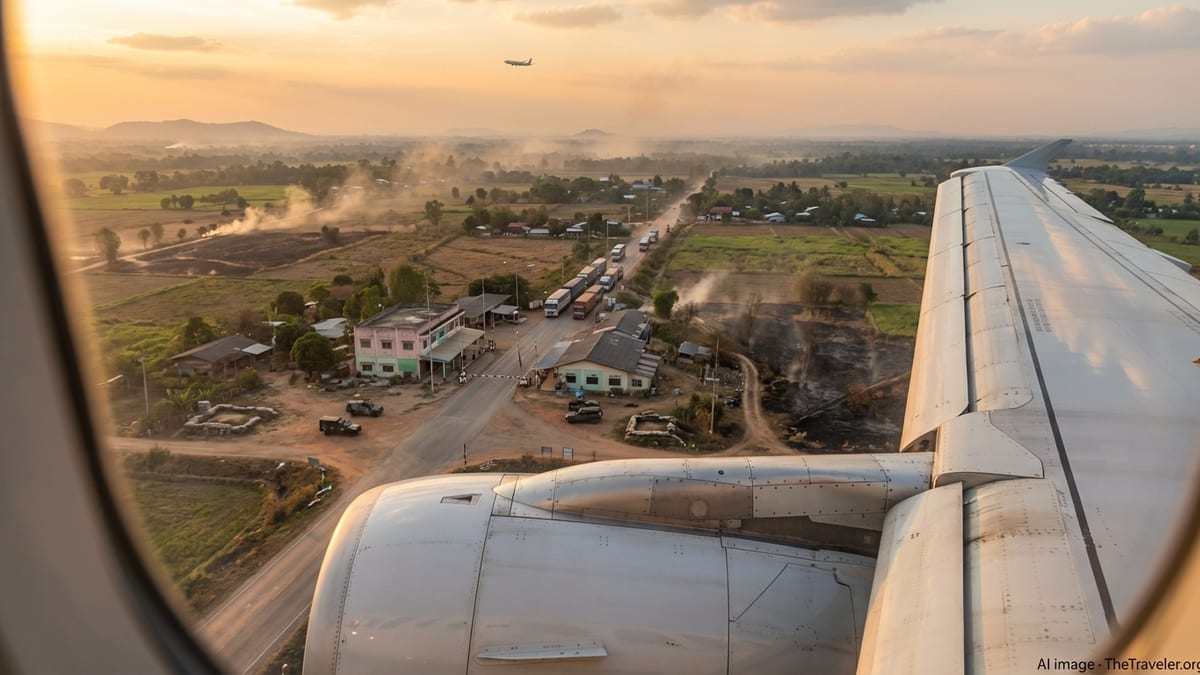
Runway Reopens After Inspections in Quake Zone
Public information from Aso Kumamoto Airport indicates that the runway, closed on July 28 following a magnitude 7.1 earthquake in the Kumamoto region, has undergone emergency safety inspections and is scheduled to support limited commercial operations from July 29. Notices released by the airport show that the closure was imposed on the afternoon of July 28 after the quake, with information updated into the evening as checks continued.
Domestic flight status pages from major Japanese carriers describe irregular operations to and from Kumamoto on July 28, including cancellations on routes linking the city with Osaka. By the morning of July 29, these updates indicate a shift from full suspension toward partial operation, with services resuming as airport infrastructure and navigation systems are cleared for use.
Local media coverage of the earthquake reports that airport buildings sustained disruption, and a number of retail and food tenants inside the terminal remain shut while damage assessments continue. Airport operators have separately advised that while air travel is due to restart, passenger facilities in parts of the terminal may operate on reduced hours or remain closed for the day.
Gradual Restoration of Osaka–Kumamoto Services
Domestic timetables for the summer season show that Aso Kumamoto Airport is an important regional destination for Osaka, particularly from Osaka Itami Airport, with multiple daily departures scheduled through late August. Following Tuesday’s shutdown, published airline notices indicate that many of these services were canceled or diverted, leaving travelers to reroute via Fukuoka or Kagoshima, or to shift to rail and highway buses.
As of July 29, updated flight information suggests that carriers are reintroducing Osaka–Kumamoto rotations in stages, prioritizing core daytime departures while holding back some evening or off-peak flights. Seats on the first operating services are expected to be tight, as passengers from canceled flights are reaccommodated onto the earliest available departures.
Travel advisories aimed at visitors to Japan note that additional disruption remains possible, even after the initial reopening, as aftershocks and ongoing inspections can lead to last minute schedule changes. Travelers holding tickets between Osaka and Kumamoto are being urged, through airline bulletins and airport news pages, to reconfirm departure times on the day of travel.
Impact on Kyushu Travel and Tourism
The Osaka–Kumamoto route is a significant link for both domestic tourists and international visitors connecting through the Kansai region to Kyushu. Before the quake, the route offered a short hop to reach hot spring areas, historic Kumamoto Castle, and onward connections by rail and highway to the island’s interior. Disruption on July 28 quickly spilled over into wider trip plans, with travelers sharing on public forums that they were forced to adjust itineraries or bypass Kumamoto entirely.
Tourism operators in Kyushu have spent recent years promoting multi city routes that loop through Fukuoka, Kumamoto, Nagasaki, and Kagoshima. The temporary loss of direct flights from Osaka reduced flexibility for these itineraries and shifted additional demand onto rail and bus corridors already coping with safety checks and delays after the quake.
The resumption of flights is expected to ease some of this pressure by restoring a fast, point to point option between Japan’s second largest metropolitan area and central Kyushu. However, industry observers note that demand may take time to normalize as travelers assess reports on aftershocks, infrastructure damage, and the pace of repairs around Kumamoto.
Safety Checks and Infrastructure Resilience
Japan’s aviation framework requires comprehensive inspections of runways, taxiways, lighting systems, and terminal structures after strong earthquakes near major airports. Technical guidance from transport authorities highlights the need to verify that surfaces are free of cracks, subsidence, or debris and that critical systems such as fuel lines and power supply are functioning before commercial services resume.
Kumamoto has previous experience recovering airport operations after seismic events, and Aso Kumamoto Airport’s newer terminal was designed with enhanced resilience in mind. Documentation on the airport’s development notes that upgrades in recent years aimed to improve structural strength and continuity of operations after quakes, lessons drawn from the 2016 Kumamoto earthquakes that caused prolonged disruption across the region.
In the current event, the relatively swift return of limited flights between Osaka and Kumamoto reflects both the intensity of overnight inspection efforts and the strategic priority of reconnecting Kyushu’s air network. Even so, advisory notes from airlines and airport operators emphasize that safety margins remain the overriding consideration, and that additional checks may still trigger targeted cancellations or delays if conditions warrant.
What Travelers Should Expect in the Coming Days
For passengers planning to fly between Osaka and Kumamoto over the next several days, publicly available information suggests a mixed picture of improving but still fragile connectivity. Core services are set to operate, yet some frequencies may remain trimmed compared with the schedule that was in place before the July 28 quake.
Travelers are being encouraged by published coverage and airline guidance to build extra time into their journeys, monitor official flight information pages frequently, and consider alternative routing through Fukuoka or Kagoshima if their preferred departure is canceled. Ground transport from these cities to Kumamoto remains an option, subject to any local road or rail checks.
Accommodation providers in Osaka and across Kyushu may also experience a short term wave of date changes and late arrivals as the network stabilizes. For visitors who can remain flexible, the reopening of Osaka–Kumamoto flights restores an important link for accessing Kyushu’s attractions, even as the region continues its broader recovery from the latest earthquake.