


More news on this day
Dense fog over large parts of England and Wales on Monday 9 November is disrupting key road, rail and air routes, as a Met Office yellow warning prompts calls for travellers to allow extra time and check conditions before setting out.
Get the latest news straight to your inbox!
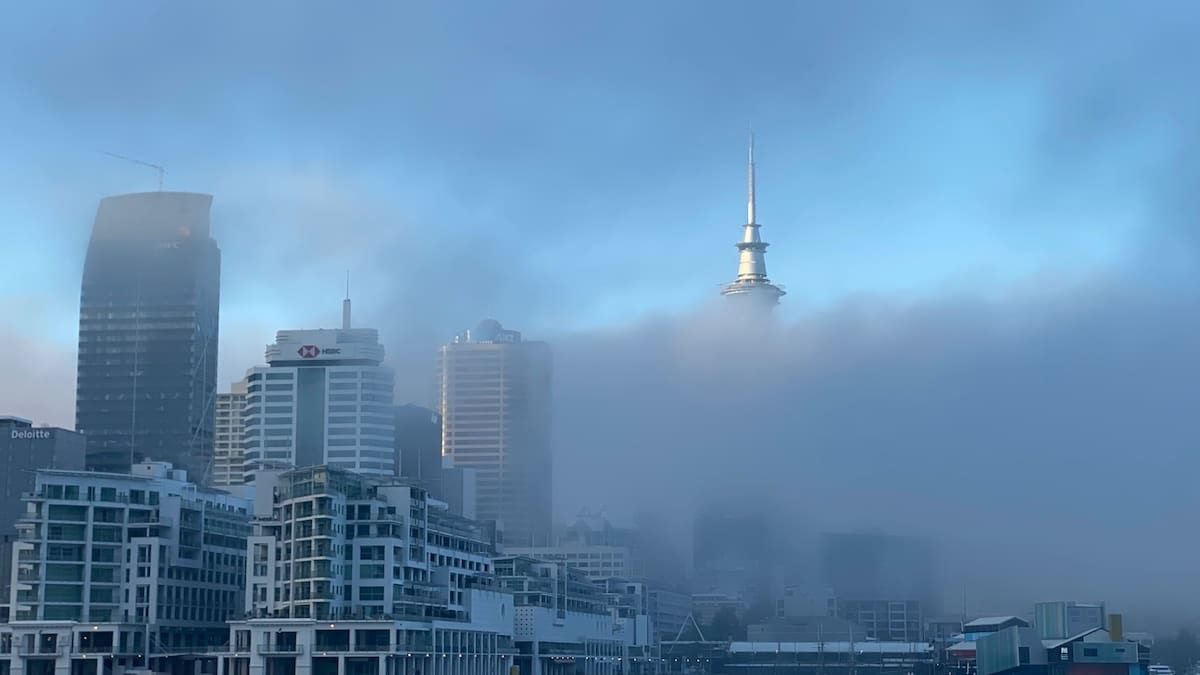
Wide‑ranging yellow warning covers major transport corridors
Publicly available information from the Met Office shows a yellow fog warning in force through Monday 9 November for much of England south of Manchester, along with parts of Wales and the Midlands. The alert highlights the potential for visibility to fall below 100 metres in many areas, with some patches expected to drop closer to 50 metres or less during the morning peak.
The warning area stretches across several of the United Kingdom’s busiest transport corridors, including regions served by the M1 and M6 north–south spines, the M4 and M40 approaches to London, and major routes across the West Midlands and Yorkshire and the Humber. Guidance accompanying the alert notes that fog is likely to redevelop in places this evening, bringing a renewed risk of disruption on Monday night and into Tuesday morning.
Weather briefings summarised by national outlets report that the warning was updated overnight from Sunday 8 November into Monday 9 November as fog thickened and became more widespread, especially across central and southern England. The timing coincides with the start of the working week, when commuter and freight volumes are typically high on trunk roads and intercity rail lines.
Background documentation on the UK’s alerting system indicates that a yellow warning signals a possibility of travel disruption and difficult driving conditions, rather than a certainty of severe impacts. Even at this level, transport guidance stresses that reduced visibility in dense fog can quickly amplify risks on fast‑moving routes, particularly where traffic flows remain close to normal.
Motorways and A‑roads face reduced speeds and congestion
Travel updates from across the warning area indicate that drivers on motorways and major A‑roads are encountering stretches of very limited visibility, notably on sections of the M25 around London, the M1 through the East Midlands, and the M4 corridor between Bristol and Reading. Variable speed limits and increased braking distances are contributing to pockets of congestion, especially near busy junctions and interchanges.
Recent safety guidance from regional authorities defines dense fog as visibility under 50 metres, a threshold at which stopping distances at motorway speeds can exceed the distance a driver can see. Transport resilience assessments published for the UK road network highlight fog as a particular hazard for high‑speed links, where even minor collisions or breakdowns can cause substantial knock‑on delays when lanes are closed.
Media reports over the weekend already highlighted the risks, after a multi‑vehicle incident in thick fog closed a section of the M20 in Kent between junctions 8 and 9 near Maidstone on Saturday evening, leaving two people seriously injured and forcing a lengthy closure of a key route to the Channel ports. That collision occurred before the latest warning period, but it has sharpened attention on the dangers posed by rapidly changing visibility on busy strategic roads.
Road operators and motoring organisations are reiterating standard advice for foggy conditions, including using dipped headlights, switching on rear fog lights when visibility drops significantly, and maintaining much greater distances from the vehicle in front. Travellers are being encouraged to avoid sudden lane changes, rely on road markings to maintain lane discipline, and be prepared for slow‑moving queues where conditions are worst.
Flight schedules and airport operations under pressure
Air travel is also being affected as fog lingers around some of the UK’s main hubs and regional airports. Coverage from national newspapers notes that arrivals and departures at London Heathrow have already experienced delays, with aircraft spacing increased on approach and some services subject to holding patterns while visibility and runway capacity fluctuate.
Operational guidance published by aviation authorities explains that dense fog can reduce the rate at which aircraft can safely land and take off, even when runways remain open. This can quickly lead to backlogs at major airports where schedules are tightly planned. Knock‑on effects may then appear at outbound destinations as aircraft and crews arrive late from the UK.
Other airports under the warning zone, including London City, Gatwick, Bristol and Birmingham, are reported to be monitoring conditions closely and adjusting operations as required. Some regional carriers have issued general advisories for passengers to check the status of their flights before leaving home, reflecting the likelihood of minor schedule changes throughout the day as the fog thickens or lifts.
Travel advisories from consumer organisations point out that passengers facing significant delays or cancellations should check the conditions of carriage for their airline and any travel insurance policies for guidance on rebooking options and compensation rules, which may vary depending on the cause and length of disruption.
Rail, ferry and urban networks adapt to low visibility
While heavy fog tends to have less direct impact on rail services than high winds or flooding, publicly available transport briefings note that some operators are running trains at slightly reduced speeds on exposed sections and through areas with limited sightlines. This precaution can add a few minutes to journey times on intercity and commuter routes crossing open countryside, particularly early in the morning before visibility improves.
In London and other large cities across the warning area, urban transport networks are largely continuing to operate, but agencies are reminding passengers that road‑based services such as buses and trams may experience delays where drivers face poor visibility or congestion. River services on the Thames and other waterways may also see timetable adjustments if fog restricts safe navigation.
Guidance documents on severe weather planning for UK cities underline that fog poses a moderate risk to river operations, and a more significant challenge to complex road junctions and multi‑lane routes feeding central business districts. Even when rail and metro systems remain mostly unaffected, delays to feeder buses, taxis and park‑and‑ride services can lengthen overall journey times for commuters.
Travel information platforms are advising passengers to allow additional time for connections between modes, for example when linking a mainline rail arrival to a coach, taxi, or domestic flight. For those with time‑sensitive appointments, public travel planners recommend considering earlier departures where possible, given the risk of localised delays accumulating across a multi‑stage journey.
What travellers should watch for as fog persists
Looking ahead to Monday evening and into Tuesday 10 November, forecast discussions indicate that fog may redevelop in some of the same areas after nightfall, as light winds and clear skies allow moisture near the surface to condense again. The Met Office notes that warning boundaries and timings can change at short notice, and advises the public to check the latest forecast and warning details on the day of travel.
Guides to the UK’s national severe weather warning service explain that alerts are impact‑based, taking into account both the likelihood of weather conditions such as dense fog and the potential consequences for people, infrastructure and services. This means that similar fog densities can trigger different warning levels at different times of year, depending on expected travel volumes and other concurrent risks.
Travel organisations emphasise that individuals can reduce their exposure to disruption by monitoring live traffic and public transport updates before setting off, adjusting departure times around the worst of the conditions where possible, and being prepared for slower‑than‑usual progress on affected routes. For some, options may include switching to remote meetings or flexible working to avoid non‑essential journeys during periods of particularly poor visibility.
For visitors and domestic travellers alike, the main message from publicly available guidance is to plan conservatively, expect slower journeys, and remain alert to rapidly changing conditions. With the latest fog episode arriving just as winter travel patterns begin to intensify, transport planners are likely to review how the network responds, using the experience to refine future preparations for similar low‑visibility events.