


More news on this day
Dense fog has shrouded large areas of the UK, prompting travel warnings as visibility on key routes falls to a few dozen metres in places and disruption spreads across major roads, rail lines and airports.
Get the latest news straight to your inbox!
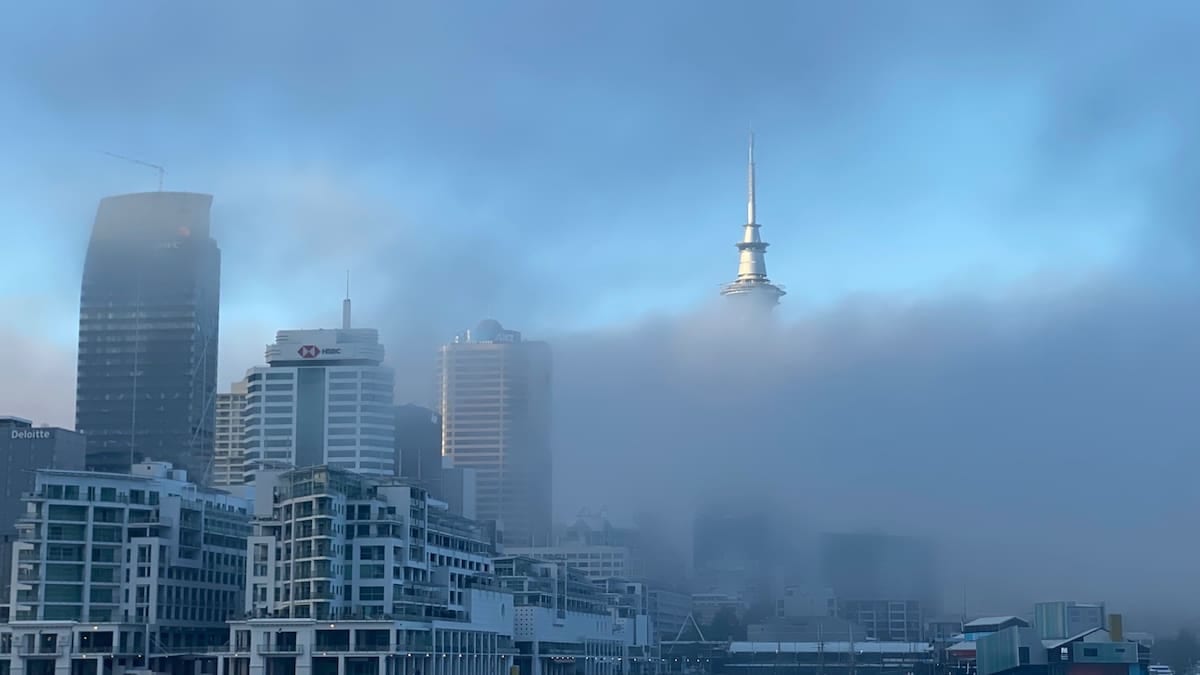
Met Office yellow fog alerts cover busy transport corridors
Publicly available information from the Met Office shows that yellow weather warnings for fog were in force on Monday 9 November across much of central and southern England and eastern Wales, highlighting a risk of “difficult travel conditions and possible delays.” The alerts follow a sequence of early November fog events affecting many of the same areas.
Forecast guidance indicates that visibility in the warning area could drop below 100 to 200 metres in the densest patches, with some locations seeing even lower values at times. Meteorologists have pointed to long autumn nights, light winds and high humidity as creating a “perfect recipe” for slow-clearing fog, particularly during the morning peak and around river valleys and low-lying ground.
The current warning polygons extend over several of the country’s busiest transport corridors, including stretches of the M1, M4, M5 and M25, as well as major A-roads linking London with the Midlands and southwest. Travellers are being advised to allow additional time, monitor local forecasts and be prepared for rapidly changing visibility from one junction to the next.
Met Office guidance on fog-related warnings notes that such alerts are issued when widespread reductions in visibility are expected to have an impact on transport. While alerts for heavy rain or strong winds are more common, recent blog material from the agency emphasises that prolonged dense fog can be just as disruptive for road, rail and air travel when it coincides with busy commuting periods.
Road networks face severe visibility reductions and slower journeys
Reports from UK traffic and travel feeds on Monday morning indicate that drivers on motorways and trunk roads have encountered long stretches where visibility has fallen well below standard stopping distances. Imagery from roadside cameras shows vehicles moving at reduced speeds with headlights and fog lights in use, particularly around the Home Counties and the Thames Valley.
National Highways guidance for travelling in fog underscores that reduced visibility can be highly localised, catching drivers out as they move from clear conditions into sudden “walls” of thick mist. The agency’s publicly available advice urges motorists to slow down, increase following distances and avoid relying solely on the rear lights of the vehicle ahead to judge conditions.
Information published in the Highway Code states that headlights must be used when visibility is seriously reduced, generally when drivers cannot see more than 100 metres. It also points out that front and rear fog lights may be used in dense fog but should be switched off once visibility improves, in order to avoid dazzling other road users.
Road safety organisations note that some of the most serious multi-vehicle collisions on UK roads have historically occurred in dense fog, where drivers have misjudged their speed or distance. In light of the current warnings, travel bulletins are encouraging road users to consider whether their journey is essential, to stick to main routes where possible, and to check variable message signs on motorways for the latest information on conditions ahead.
Flight schedules see disruption as low cloud and fog linger
Air travel is also being affected, particularly at major London airports where dense fog and associated low cloud have narrowed operating windows for arrivals and departures. Published coverage on Monday reports delays to early-morning flights at Heathrow and other southeastern airports as reduced runway visibility requires increased spacing between aircraft movements.
Fog impacts airport operations by limiting what air traffic controllers and pilots can see, even when advanced landing systems are available. When runway visual range measurements drop below certain thresholds, arrivals may need to divert to less-affected airports and departures can be held on the ground until conditions improve. This can quickly cascade into wider disruption as aircraft and crews fall out of position.
Recent operational data from major UK airports indicates that while many flights are still operating, passengers are facing a mix of minor delays, longer waits for departure slots and, in some cases, cancellations where schedules cannot be recovered. Airlines are advising travellers to check the status of their flight before leaving for the airport and to allow extra time for check-in and security in case of congestion.
Travel experts point out that fog-related disruption can persist beyond the period of the worst visibility, as crews and aircraft return to normal patterns. Even after the current fog banks lift later in the day, residual knock-on delays are likely to affect services into the evening, particularly on short-haul European routes that rely on tight turnaround times.
Rail and local transport adapt to slower running and patchy conditions
While dense fog generally has less direct impact on rail operations than snow, ice or high winds, publicly available service updates show that some train operators in England and Wales are advising passengers to expect slower journeys and minor timetable alterations on affected routes. Reduced visibility around level crossings and lineside infrastructure can require more cautious driving and additional checks.
Commuter services into major cities including London, Birmingham and Bristol are running, but operators are highlighting that trains may be subject to short-notice delays where signalling sighting or station approaches are affected by low cloud and mist. Passengers are being encouraged to use journey planners and live departure boards to track changing conditions.
In urban areas, dense fog has also been reported across bus and tram networks, with local transport providers using social media feeds and travel alerts to flag slower-running services. Reduced visibility can lengthen dwell times at stops and junctions, especially during the darker early morning and evening hours, contributing to congestion in city centres.
For travellers making multi-modal journeys that combine rail, bus and walking or cycling, the current conditions add an extra layer of complexity. Journey-planning services recommend building in longer connection times and preparing for colder, damper conditions on station platforms and at interchanges where fog and low temperatures combine.
Guidance for travellers navigating the current fog episode
Safety agencies and weather services are using their public channels to reiterate key guidance for anyone travelling while the yellow fog warnings remain in place. Drivers are advised to reduce speed well before entering visible fog banks, keep a generous gap to the vehicle in front and avoid sudden braking that could catch following traffic off guard.
Expert driving advice referenced by the Met Office and National Highways suggests using dipped headlights in poor visibility and activating fog lights only when visibility is severely reduced, in line with the Highway Code. Motorists are also encouraged to use car ventilation or air conditioning to prevent windows from misting, and to keep windscreens and lights clean so that limited light is used as effectively as possible.
For those using public transport, the main message from operators is to check before travelling and to stay flexible where possible. Rail and bus passengers can expect services to run more slowly through affected areas, while air passengers may encounter last-minute gate changes or rerouting as airlines respond to evolving visibility measurements at airports.
Met Office guidance stresses that fog can form and dissipate quickly, making conditions variable even within short distances. Travellers planning journeys through the warning areas are therefore encouraged to stay up to date with local forecasts and transport bulletins throughout the day, particularly if travelling early in the morning or late in the evening when fog is most likely to thicken.