


More news on this day
Dense fog has again descended on Auckland Airport, forcing a fresh round of flight cancellations and delays as deteriorating visibility disrupts early morning operations and ripples across New Zealand’s domestic network.
Get the latest news straight to your inbox!
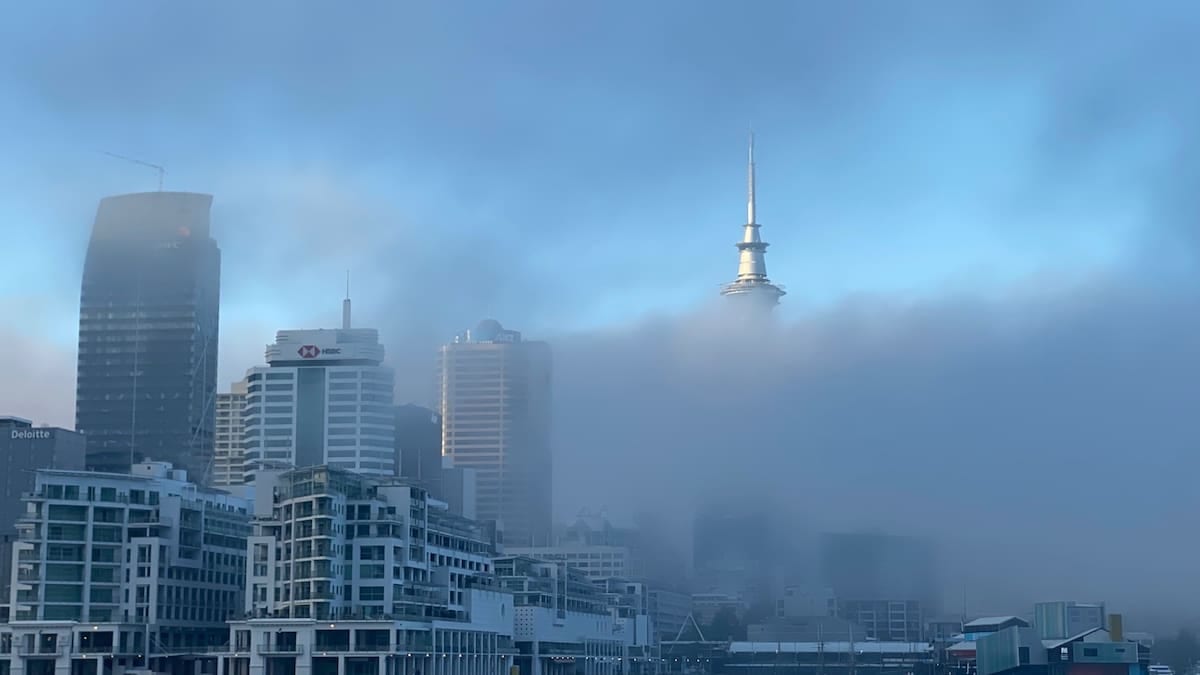
Fresh cancellations as visibility drops again
Early reports from aviation tracking services and local media indicate that a new blanket of fog has reduced visibility around Auckland Airport, triggering low-visibility operating restrictions on Thursday morning. A number of regional services were cancelled outright, while others faced rolling delays as airlines waited for conditions to improve.
Initial disruption has focused on shorter domestic routes, particularly early departures and arrivals that rely on tight turnarounds. When visibility around the runway falls below required minima, aircraft movements are slowed or temporarily suspended, which quickly creates bottlenecks across the schedule.
The latest disruption follows a similar episode last week, when a thick layer of fog led to multiple cancellations and more than a dozen delayed regional flights into and out of Auckland. That earlier event primarily affected smaller centres, while main trunk jet services to Wellington, Christchurch, Dunedin and Queenstown continued operating under low-visibility procedures.
Today’s conditions have again highlighted how quickly fog can trigger cascading impacts, especially during the morning peak when aircraft, crews and gates are tightly choreographed. Even a brief pause in movements can leave planes and passengers out of position for the rest of the day.
Passengers urged to check status and allow extra time
Publicly available information from Auckland Airport and major carriers shows that some affected flights have been rescheduled for later in the day, while others have been consolidated or rebooked onto alternative services. Travellers are being advised through airline channels to monitor their flight status closely before leaving for the airport.
Domestic travel guidance published by Auckland Airport already encourages passengers to arrive at least an hour before departure, but weather-related disruption can lengthen queues at check-in and security. On mornings like this, even travellers on flights that remain on schedule may encounter crowded terminals and limited seating as delayed passengers wait for new departure times.
Regional connections are particularly vulnerable. When an early inbound flight is cancelled because of fog, the aircraft and crew scheduled to operate subsequent legs may not be available, forcing airlines to juggle aircraft across their networks or cancel downstream services entirely. In some cases, replacement flights are added later in the day, while in others passengers are shifted to flights on the following day.
Consumer advice widely shared in New Zealand media in recent months has reminded travellers that weather-related cancellations are generally classified as outside an airline’s control. That can limit compensation options, though airlines typically offer rebooking at no additional cost and may provide meal or accommodation support on a case-by-case basis.
Winter pattern of fog-related disruption
The return of thick fog this week fits a broader winter pattern for Auckland. Meteorological summaries referenced in local coverage note that the airport averages close to twenty foggy nights a year, with radiation fog forming most often on calm, clear winter mornings when overnight temperatures drop and moisture condenses near the ground.
These conditions can develop rapidly in the hours before dawn, catching early services at their most vulnerable. Aircraft and crews have already been rostered and passengers are on the move, but operational restrictions can suddenly limit runway movements to a fraction of normal capacity until visibility improves.
Recent weather explainers from national broadcasters have pointed out that fog events tend to cluster through the colder months, creating repeated disruption rather than one-off incidents. A series of foggy mornings in late autumn and early winter has already led to multiple rounds of cancellations at Auckland, with social media posts from stranded travellers highlighting missed connections and extended waits in terminals around the country.
Aviation performance data released by New Zealand’s transport authorities earlier this winter also referenced seasonal fog and crosswinds as significant contributors to schedule reliability issues. While on-time performance generally improves outside the peak winter period, July often stands out as a month of elevated weather-related delays.
Ripple effects across the domestic network
Because Auckland serves as the country’s primary domestic and international hub, fog there can quickly influence operations at smaller airports nationwide. When early Auckland departures to regional centres are cancelled or heavily delayed, aircraft scheduled to operate onward legs from those destinations may never arrive, leading to secondary disruptions even where local weather is clear.
Live arrivals and departures boards at regional airports this morning show schedules that are mostly intact but with pockets of disruption around flights linked to Auckland. In past fog events, services to and from centres such as Tauranga, Napier, New Plymouth and Palmerston North have been among the most affected, while longer-haul main trunk flights have often continued under tighter spacing and approach procedures.
Airlines can sometimes absorb part of the disruption by shifting aircraft within their fleets, but the interconnected nature of the domestic network means that any extended low-visibility period in Auckland raises the risk of knock-on impacts throughout the day. Travellers booked on later flights, even in the afternoon or evening, may still feel the effects if aircraft and crews are out of position.
For airport operators, fog places added pressure on ground operations and terminal management. Staff must handle irregular flows of passengers, respond to changing gate allocations, and manage information updates, all while maintaining safety during periods of reduced visibility on the airfield.
What travellers can do when fog hits
Given the recurring nature of winter fog in Auckland, travel experts and consumer advocates consistently recommend a few simple strategies for passengers. Checking flight status on official airline channels before leaving home remains one of the most effective steps, particularly for morning departures.
Where possible, travellers making time-critical connections are often advised to build in longer transfer windows during the winter months or consider scheduling key journeys later in the day, when fog is more likely to have lifted. Early-morning departures are convenient and often cheaper, but they carry higher exposure to low-visibility restrictions.
Those facing cancellations can usually manage their options through airline apps or call centres, though high call volumes are common during widespread disruption. Rebooking onto the next available service is the standard pathway, and some passengers may find it useful to consider alternative domestic routes if their original connection is heavily oversubscribed.
As fog once again settles over Auckland Airport, the episode underscores how quickly weather can reshape travel plans, even on routine winter mornings. For now, travellers across New Zealand are watching skies and status boards closely, hoping for clearing conditions and a return to normal operations later in the day.