


More news on this day
A SkyWest-operated American Eagle flight from San Luis Obispo to Phoenix diverted to Yuma on its evening leg after reports of an unusual odor in the cabin prompted the crew to seek a precautionary landing, according to publicly available flight-tracking data and local coverage.
Get the latest news straight to your inbox!
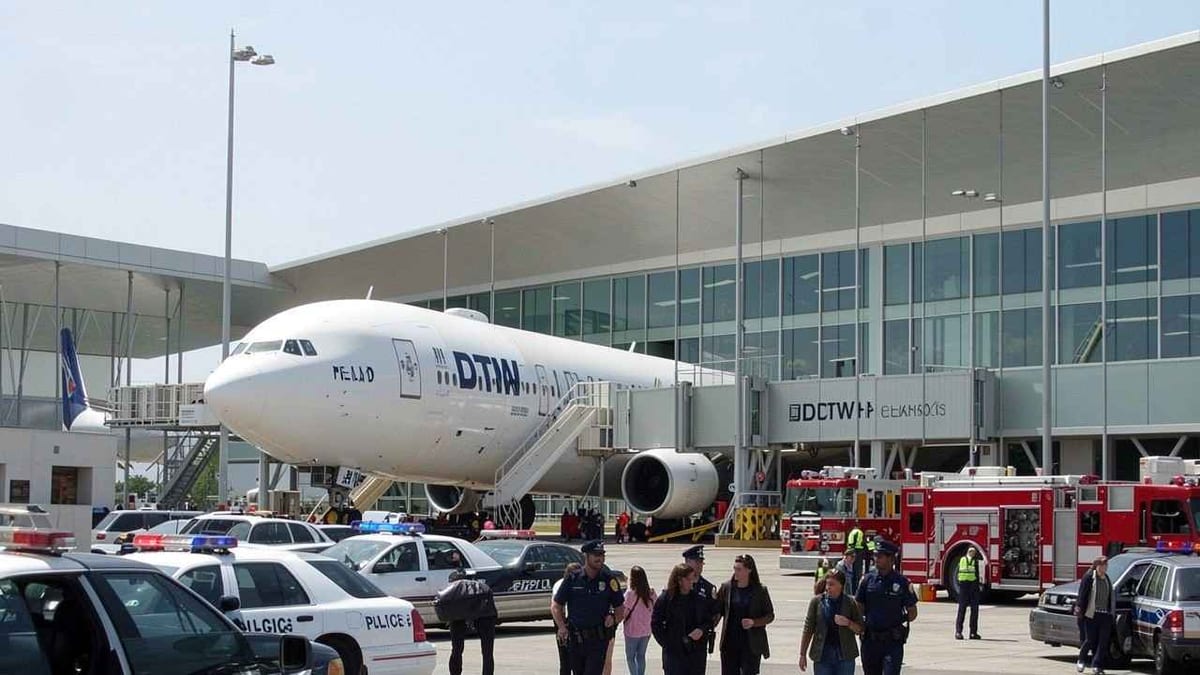
Flight From San Luis Obispo Breaks Off Route to Phoenix
SkyWest American Eagle Flight SKW6435, operated with an Embraer E175LR regional jet, was scheduled to connect San Luis Obispo County Regional Airport with Phoenix Sky Harbor International Airport when it deviated from its planned route and turned toward Yuma International Airport. Flight-tracking records indicate the aircraft departed San Luis Obispo on time and initially followed its standard eastbound routing across Southern California and into Arizona airspace.
Not long after reaching cruise altitude, the jet began a gradual turn away from its direct course to Phoenix and initiated a descent consistent with a diversion. Data from online flight-tracking platforms shows the aircraft tracking toward Yuma, a common alternate airfield in the region, where it landed without incident. There were no immediate indications of injuries among passengers or crew.
Operational information posted after the landing indicates that the Embraer E175LR remained on the ground in Yuma for checks following the diversion. The event follows a broader pattern of regional jet diversions in recent months, in which carriers have opted for precautionary landings when potential technical or environmental concerns arise during flight.
Unusual Odor in Cabin Triggers Precautionary Response
Reports from aviation incident trackers and local media summaries suggest the crew of Flight SKW6435 reported an unusual odor in the cabin prior to the decision to divert. While such odors can originate from a variety of sources, including environmental systems or galley equipment, airlines commonly treat them as potential safety concerns until the cause is identified and resolved.
Publicly available information does not indicate the presence of visible smoke or fire on board, and there are no reports of passengers requiring medical treatment after landing in Yuma. Statements compiled from operational summaries describe the landing as routine, with the aircraft taxiing to the gate under its own power and passengers deplaning normally.
In contemporary airline operations, cabin odor events often lead to diversions even when no confirmed mechanical failure is found later. Industry analysts note that flight crews are trained to react conservatively to any sign that could point to electrical or air-conditioning system issues, preferring an early landing at a suitable airport rather than continuing to the planned destination.
About the Aircraft and Operator
SkyWest Airlines operates the Embraer E175LR under the American Eagle brand on routes such as San Luis Obispo to Phoenix, providing regional feed into larger American Airlines hubs. The twin-engine jet typically seats around 76 passengers in a mixed-class configuration and is widely used by North American regional carriers for short and medium-haul services.
The E175 family has become one of the most common regional jets in the United States, serving routes where passenger demand does not justify mainline narrowbody aircraft. Aviation reference data shows SkyWest as one of the largest operators of the type, flying the E175 on behalf of multiple major carriers under capacity purchase agreements.
The LR variant used on Flight SKW6435 is designed for extended range relative to earlier models, allowing carriers to operate longer regional sectors while maintaining performance margins in hot and high conditions that are typical of airports in the American Southwest. Yuma, while smaller than Phoenix, offers a runway and facilities suitable for regional jets and is regularly used as an alternate field.
Passenger Impact and Onward Travel Options
After the diversion to Yuma, passengers on SKW6435 faced disruption to their travel plans, as the aircraft did not continue immediately to Phoenix. Information available from schedule-monitoring services indicates that the remainder of the flight was cancelled, a common outcome when an aircraft is held for inspection following an in-flight irregularity.
In similar situations, regional passengers are typically rebooked onto later services or transported by ground to their original destination, depending on aircraft availability and local logistics. While specific rebooking details for this flight are not publicly detailed, Phoenix’s status as a major hub generally provides multiple later options for onward travel.
Travel industry observers note that diversions can create downstream challenges on regional networks, where spare aircraft and crew are less plentiful than at mainline hubs. Even so, the conservative handling of technical concerns has become a defining feature of North American airline safety culture, with carriers often willing to absorb schedule disruption in order to address even minor indications of a possible issue.
Regional Jet Diversions Draw Ongoing Attention
The diversion of Flight SKW6435 adds to a series of recent cases in which SkyWest-operated Embraer E175 flights have altered course or returned to departure airports due to technical warnings, weather, or other operational factors. Trade publications and aviation-focused outlets have documented several such events involving E175 aircraft across various brands, including routes operated on behalf of American Airlines, Delta Air Lines, and Alaska Airlines.
Safety specialists point out that a small number of diversions is statistically expected given the intensity of regional jet operations in the United States. Tens of thousands of flights operate monthly with few reported incidents, and precautionary returns or diversions that end with uneventful landings are generally viewed as an indication that safety protocols are being applied as designed.
As of late July 2026, publicly accessible regulatory records do not show any broader grounding or fleetwide directive related specifically to Embraer E175LR aircraft in North American service. Any detailed technical assessment related to Flight SKW6435, including inspection results from Yuma, would typically appear later in incident databases if regulators determine that formal reporting thresholds were met.