


More news on this day
Dense fog across large areas of England and parts of Wales is threatening to disrupt Remembrance Sunday travel plans, as a Met Office yellow warning coincides with commemorative events and busy weekend journeys.
Get the latest news straight to your inbox!
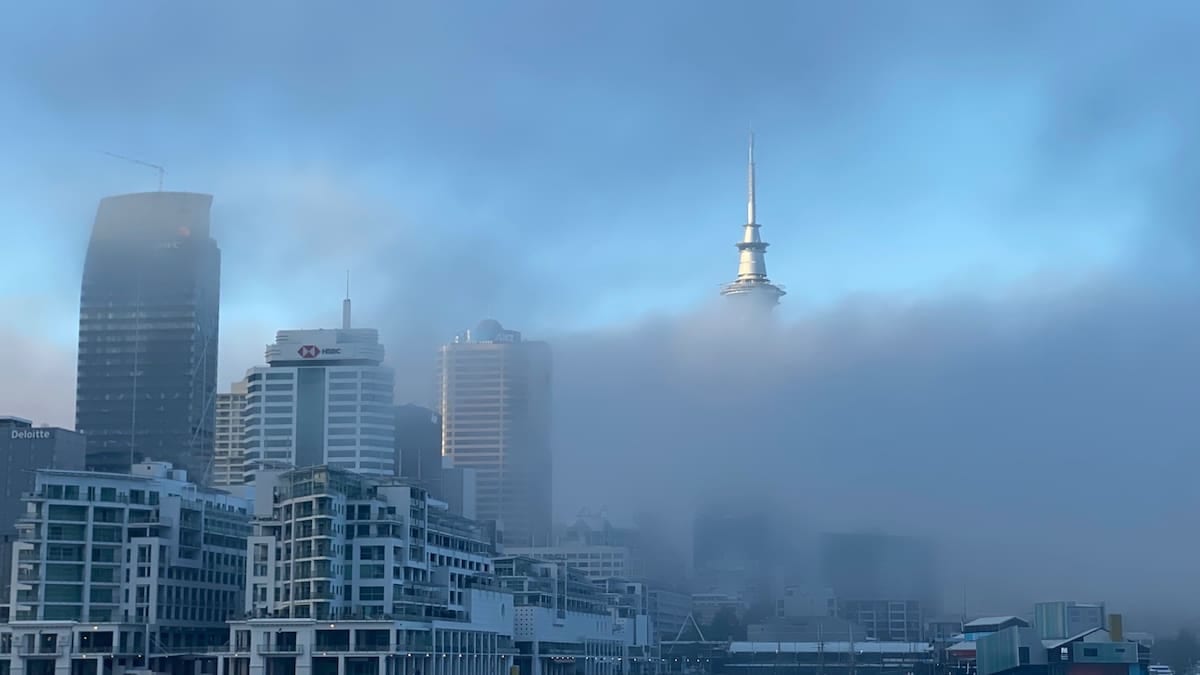
Yellow fog warning covers key Remembrance routes
According to the latest Met Office guidance, a yellow warning for fog was issued to cover much of England south of Manchester and parts of north and northeast Wales around the Remembrance Sunday period, from the early hours of Sunday 8 November into mid-morning. The alert zone includes London and the southeast, sections of the Midlands, eastern England, and parts of northwest and southwest England.
Published coverage indicates that visibility in some locations could drop below 100 metres, with pockets forecast to fall nearer to 50 metres in the most affected areas. The Met Office describes yellow warnings as a signal that weather could cause some disruption to travel and daily life, and advises travellers to stay up to date with evolving forecasts as conditions change.
Reports from UK outlets highlight that the timing of the fog coincides with Remembrance Sunday services, including the National Service of Remembrance at the Cenotaph in central London and local parades and wreath-laying ceremonies across the country. With many people travelling early in the day to reach 11 a.m. observances, the overlap between low visibility and peak arrival times is a particular concern.
Publicly available information from the Met Office and related guidance on severe weather suggests that warnings for fog are triggered when visibility is expected to fall to levels that significantly affect transport networks, particularly high-speed roads and aviation. While the current alert is at the lower yellow tier, it still flags the potential for reduced speeds, delays and localised disruption.
Road users urged to prepare for slower, riskier journeys
Travel updates on Sunday morning point to reduced speeds and slower journey times on several major arteries running through the warning area, including stretches of the M1, M4 and M5, as drivers contend with patches of thick fog. Local A-roads in parts of southern and central England have also seen shrouded conditions, especially in low-lying valleys and near rivers where fog tends to linger.
Guidance on UK severe weather planning documents notes that fog warnings are issued when visibility is expected to fall below 50 metres on major routes, a threshold at which the risk of collisions and multi-vehicle incidents increases. Recent news coverage references a significant pile-up in Kent on Saturday evening under poor visibility, underscoring the hazards when drivers do not adapt their speed and distance in dense fog.
Motoring and safety advice circulated ahead of the weekend stresses basic precautions for those who need to be on the road. Drivers are being encouraged to allow additional travel time, leave larger gaps between vehicles, use dipped headlights and fog lights where appropriate, and avoid sudden braking that can trigger chain-reaction collisions. Travellers heading to early morning services are also being advised to consider well-lit main routes over rural shortcuts, even if journey times are slightly longer.
Community resilience material linked to Met Office warnings highlights that fog can limit access to community buildings and gathering points as well as disrupt longer-distance trips. For Remembrance Sunday, this raises concerns for older veterans and those with limited mobility, who may already find travel challenging in good conditions and could be disproportionately affected by reduced visibility.
Rail and bus services face patchy disruption
Rail operators serving London, the Midlands and parts of northern England have reported slower running speeds on some sections where visibility has dropped sharply, though widespread cancellations had not been indicated in early reports. Yellow fog warnings typically point to the possibility of longer journey times on rail rather than a blanket suspension of services, and timetables generally remain in place with minor delays.
Public information from transport providers and news outlets suggests that signalling systems and line-side visibility checks can lead to precautionary speed restrictions on exposed stretches of track in thick fog. This can add several minutes to commuter and intercity services, especially in the early morning window when fog is at its most persistent.
Bus networks across urban centres and rural areas in the warning zone are also being affected by slower traffic speeds and localised congestion near key Remembrance venues. Urban operators in London and other large cities have warned of possible delays on routes serving central memorials, both due to fog and planned road closures for ceremonial events.
Travellers heading to services are being encouraged, through operator updates and local authority notices, to check journey planners on the morning of travel and leave additional time for connections, particularly where a bus-to-rail interchange is required. In some locations, park and ride hubs close to city centres may offer a more reliable option than attempting to find on-street parking in foggy and congested conditions.
Fog threatens flight schedules at major airports
Air travel is particularly sensitive to fog, and reports indicate that airports within the warning area, including London Heathrow, London City and other regional hubs in England and Wales, are monitoring visibility closely. Published coverage referencing recent fog events notes that low cloud and fog have already led to some flight disruption at Heathrow on Monday, with potential for knock-on delays when runway capacity is reduced.
Met Office communication on yellow fog warnings for aviation points to the possibility of delays or cancellations where runway visual range falls below operational minima. When this occurs, aircraft movements may be restricted, spacing between take-offs and landings increases, and diversions become more likely, especially for short-haul European services.
In previous fog episodes, airlines have typically prioritised long-haul departures and arrivals while trimming or consolidating regional and short-haul flights. While the exact pattern varies by carrier and day, travel media reports recommend that passengers due to fly during or shortly after the warning period keep a close eye on airline apps and airport departure boards for gate changes and revised departure times.
For travellers combining air and rail on Remembrance Sunday, the combination of reduced visibility on approach, potential runway flow restrictions and slower ground transport links heightens the risk of missed connections. Public guidance therefore stresses the importance of building in generous buffers between arrival and onward travel, or exploring options to travel the evening before if schedules are inflexible.
Practical advice for Remembrance attendees and holidaymakers
With the fog warning overlapping a key day in the UK’s commemorative calendar, local councils, event organisers and travel providers have been using public channels to remind attendees to allow extra time and to consider alternative modes or routes. For central London’s National Service of Remembrance, the combination of security cordons, road closures and low visibility makes early arrival particularly important for those holding tickets for viewing areas near the Cenotaph.
Outside the capital, many towns and villages rely on short car journeys or local buses to reach war memorials and churches. In places where fog is thickest, there is a risk that some participants may decide to stay at home rather than attempt travel, potentially affecting attendance at smaller services. Coverage from regional media suggests that some communities have been exploring options such as live-streaming or recording ceremonies for those unable to make the journey.
For leisure travellers and weekend breaks, the fog warning is an added complication at the tail end of the autumn half-term period in some areas. Coastal destinations, countryside retreats and city breaks reachable by motorway or rail from London and the Midlands may all see slower arrivals and departures, especially for morning check-outs and check-ins on Sunday.
Travel guidance based on Met Office and civil contingency planning documents emphasises a few consistent themes in foggy conditions: avoid non-essential travel during the worst of the visibility, keep informed using official weather and transport channels, and be prepared to alter departure times or routes if conditions deteriorate. For those determined to keep Remembrance Sunday plans, building in significant extra time and adopting a cautious approach on the roads remain the most effective ways to balance safety with the desire to attend services.