


More news on this day
A widespread yellow fog warning from the Met Office is in force across large parts of England and Wales into Monday morning, increasing the likelihood of slower journeys, reduced visibility and disruption for commuters and leisure travellers.
Get the latest news straight to your inbox!
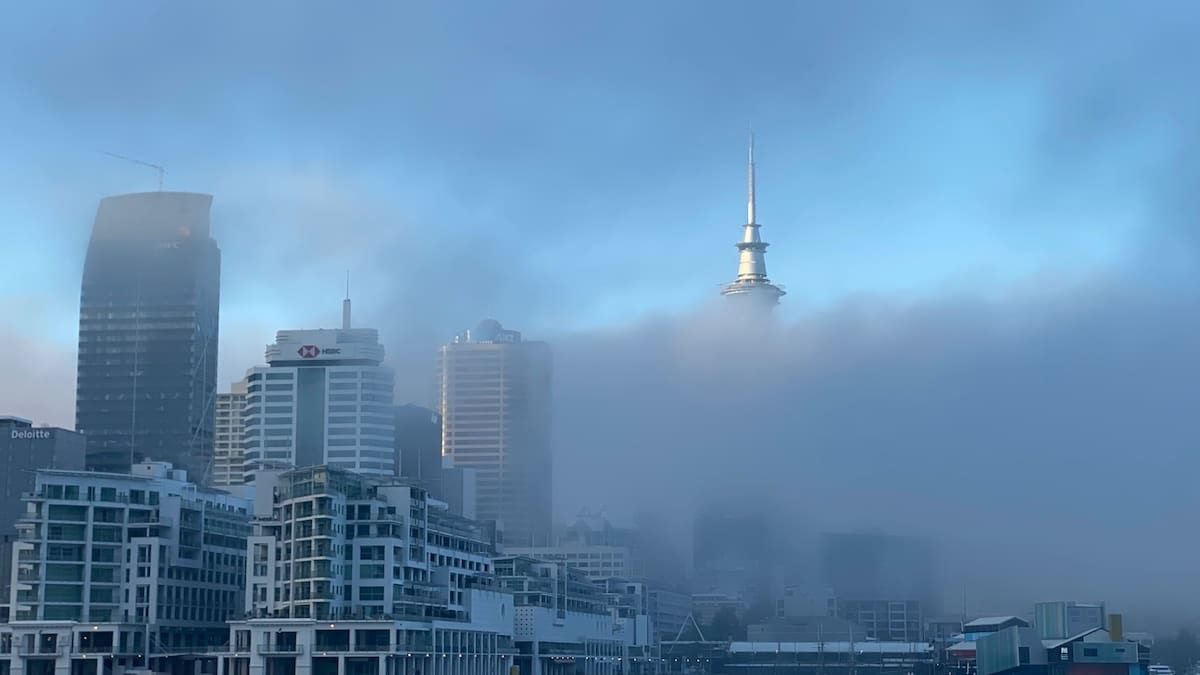
Yellow fog warning in force through Monday morning
The Met Office has issued a yellow alert for fog from 18:00 on Sunday 8 November until 11:00 on Monday 9 November 2026, covering extensive areas of southern and central England as well as parts of Wales. Publicly available forecast information describes dense fog patches redeveloping overnight and persisting into the morning commute, with visibility in places expected to fall below 100 metres.
The warning area includes London and the south east, the Midlands, parts of East Anglia, Yorkshire and Humber and sections of north west and south west England. Accessible guidance from the Met Office notes that fog patches forming overnight and into Monday morning may lead to disruption to travel, particularly where the thickest fog lingers in river valleys and low-lying routes.
The alert was last updated on Sunday evening, with forecasters indicating that conditions offer what has been described in national coverage as a “perfect recipe” for fog, as light winds, clear skies and moisture at the surface combine. While some locations may see only mist or shallow fog, the warning highlights that slow and difficult journeys are more likely in areas where the fog becomes dense and persistent.
Travel reports on Monday morning already point to variable conditions, with stretches of clear air alternating with sudden banks of thick fog. This variability increases the risk for drivers who may encounter very poor visibility with little warning, particularly on faster roads.
Road traffic faces reduced visibility and slower journeys
Met Office warning text indicates that slower journey times are likely on many roads, with difficult driving conditions where visibility drops sharply. Guidance for yellow fog alerts advises motorists to allow extra time, check local travel updates and be prepared for congestion, especially on motorways and major A-roads feeding into key cities such as London, Birmingham and Manchester.
Fog of the intensity forecast can reduce visibility to the point where speed limits become difficult to drive at safely. Motoring organisations routinely advise using dipped headlights, switching on fog lights where visibility falls below 100 metres, and maintaining much larger gaps to the vehicle in front. Publicly available safety advice also stresses the importance of avoiding full-beam headlights, which can reflect off the fog and worsen glare.
Local coverage from towns including Milton Keynes highlights the potential for disruption on commuter corridors such as the M1 and surrounding routes, where the yellow warning is expected to remain in place until late morning. Commuters travelling across rural sections of these routes are being urged through public messaging to anticipate sudden changes in visibility between open countryside and more built-up areas.
Authorities responsible for roads have not announced widespread closures linked directly to the fog, but case studies from previous fog events in the UK illustrate how low visibility can quickly lead to minor collisions and tailbacks. This has prompted renewed emphasis in public information on defensive driving and planning alternative routes where possible.
Rail, air and ferry services prepare for potential disruption
The current yellow warning notes a risk of delays to bus and train services, particularly early on Monday when visibility is at its lowest. While heavy fog does not usually halt rail operations across the network, publicly available information from train operators indicates that services may run at reduced speeds on certain sections, especially where lineside signalling and level crossings are affected by poor visibility.
Early-morning commuter services into major hubs such as London, Birmingham and Manchester are considered most at risk of minor delays, as trains reduce speed on fog-bound approaches or while waiting for platform clearance. Passengers are being advised in operator updates and news coverage to check live timetables before travelling and to allow additional connection time at interchange stations.
Travel alerts from national media also highlight the possibility of knock-on disruption at some airports. Yellow fog warnings typically prompt air traffic control and airport operators to assess whether low-visibility procedures are needed, which can reduce the rate at which aircraft are permitted to land and take off. Recent coverage from outlets such as Sky News and the Independent points to the risk of early-morning delays or short-notice cancellations where fog banks settle over runways and approach paths.
Ferry operators around the English Channel and Irish Sea are less likely to cancel sailings outright for fog, but port movements can be slowed as captains and harbour authorities manage vessel traffic more cautiously. Travellers booked on early crossings are being encouraged through public-facing advice to monitor operator updates throughout the morning.
What a yellow weather warning means for travellers
Under the UK’s National Severe Weather Warning Service, a yellow alert indicates a likelihood of low-level impacts, including some disruption to travel in a few places. Met Office guidance on the warning system explains that yellow alerts may cover a range of scenarios, from fairly minor inconvenience to more significant disruption where confidence in the most severe conditions is lower.
For fog, this generally translates into a higher risk of slower journeys, difficult driving conditions and localised delays on road, rail and air networks, rather than widespread shutdowns. Many people are still able to complete their travel as planned, but the warning is a signal to review whether journeys are necessary, to build in extra time and to consider remote alternatives, especially for non-essential trips.
Publicly available resilience documents used by organisations across the UK emphasise that yellow warnings should still prompt action from businesses and travellers. Recommended steps include checking staff travel plans, adjusting shift start times where possible, and ensuring that those who must drive in poor visibility are familiar with vehicle lighting and safe following distances.
The Met Office also advises through its public guidance that yellow alerts can be updated as new data becomes available. If fog intensifies or persists for longer than forecast in densely populated areas, there is a possibility that impacts could approach those more usually associated with higher-level warnings, even if the alert colour remains unchanged.
Practical steps for minimising disruption to journeys
In response to the current fog alert, travel and transport advice widely shared on Monday morning focuses on planning ahead. Drivers are encouraged to check regional forecasts before setting off, use in-car navigation or traffic apps for incident reports, and keep windscreens and mirrors clear to maximise visibility. Maintaining a greater distance from the vehicle ahead and reducing speed are presented in road-safety messaging as the most effective ways to cut collision risk in dense fog.
Rail passengers are advised in operator and media updates to consult journey planners and to pay attention to station announcements, particularly where services are shown as delayed by only a few minutes. Small timetable changes can compound across the morning peak, affecting connections on onward mainline and regional routes.
Air travellers with early departures or arrivals on Monday are being urged through airline and airport communications to check flight status repeatedly before leaving home and to allow additional time for check-in and security in case of knock-on congestion. Where airlines offer rebooking options at no extra cost during weather alerts, publicly available guidance suggests that passengers who can be flexible may wish to move to flights later in the day, when fog is forecast to lift.
Across all modes of transport, the prevailing message in published advice is for travellers to stay informed and be prepared to adapt plans at short notice. With the yellow fog warning currently expected to expire by late morning on Monday, conditions are projected to improve for most routes later in the day, but residual delays are still possible where early disruption has a cascading effect on services.