


More news on this day
Thick fog is once again settling over Essex, with a new yellow weather warning in force and visibility expected to drop below 100 metres on Monday morning, raising the risk of disruption for commuters and travelers moving through the county.
Get the latest news straight to your inbox!
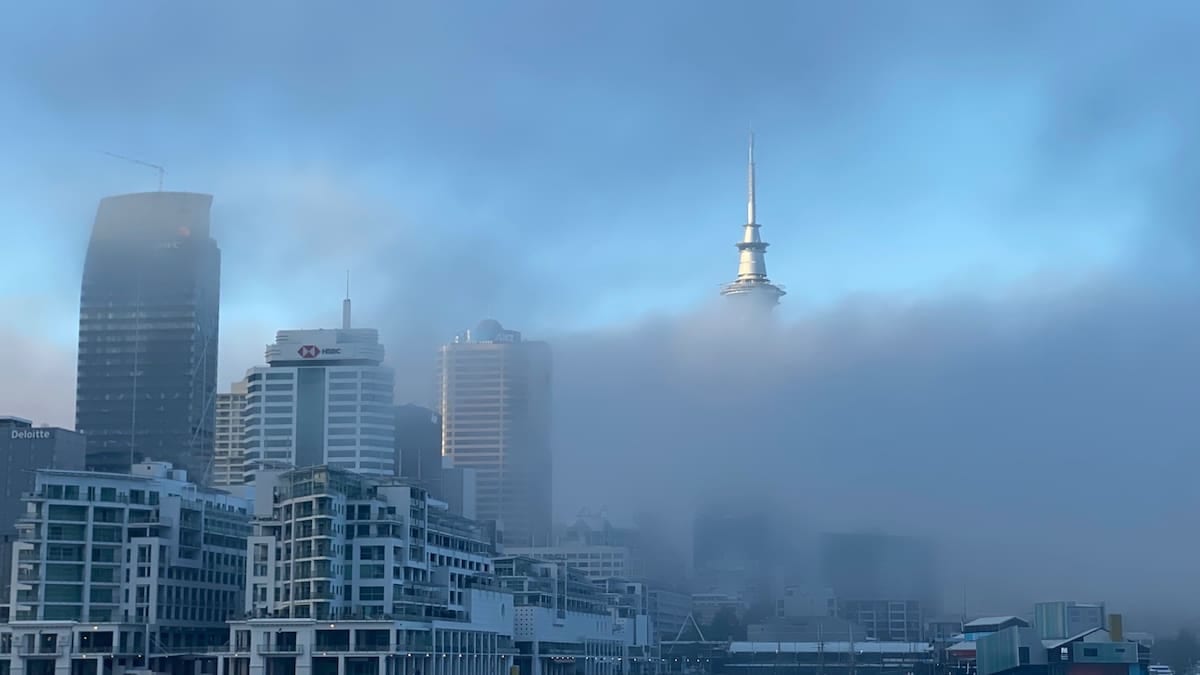
Fresh yellow warning extends across Essex and eastern England
Publicly available information from the Met Office shows that a yellow fog warning is in place for large parts of England and Wales, including Essex, through the Monday morning rush hour on 9 November 2026. The warning area stretches across the East of England, the East Midlands, Yorkshire and Humber, the West Midlands and into parts of Wales, reflecting how widespread the dense fog is expected to become.
The updated warning, valid from Sunday evening into late Monday morning, highlights the potential for visibility to fall below 100 metres, with some transport-focused updates referring to dense patches where visibility could reduce to around 50 metres or less in places. The advisory notes that fog will form readily overnight, become extensive by dawn and then lift only slowly during the late morning period.
Forecast detail presented on official warning pages indicates that the alert for Essex was first issued on Sunday 8 November 2026, shortly before 10:00 UTC, and then updated later in the evening at around 21:53 UTC as confidence grew that fog would redevelop and intensify. The warning is categorised as yellow with a high likelihood and moderate impact, meaning reduced visibility is expected to cause some travel difficulties but not widespread severe disruption.
Separate yellow fog alerts are also in effect for parts of Northern Ireland, where visibility is also expected to drop below 100 metres in some locations. Together, the overlapping warnings reflect a broader spell of late-autumn fog affecting several regions of the United Kingdom at the same time.
Travel disruption likely on major roads, rails and at airports
According to the warning summary and related travel guidance, the main impacts in Essex are expected on the road and rail network during the morning peak. The Met Office advisory highlights slower journey times with possible delays to bus and train services, as drivers and operators respond to the reduced visibility. Local media reports for Monday 9 November 2026 describe a “perfect recipe” for fog during commuting hours, with motorists urged to allow extra time for their journeys and to make full use of fog lights when visibility drops under 100 metres.
On the roads, thick fog is of particular concern on fast-moving stretches such as the M25 near Brentwood, the A12 corridor linking Chelmsford, Colchester and the north of the county, and the A13 and A127 serving commuter traffic into east London. In similar fog events, variable-message signs and reduced speed limits are sometimes employed on motorways and trunk roads when visibility deteriorates, and the current warning again emphasises the risk of sudden changes in conditions along a single route.
Rail passengers using commuter lines into London Liverpool Street and regional services across Essex are being advised, through operator updates and news coverage, to check for changes to timetables on Monday morning. While dense fog does not usually halt services outright, it can lead to precautionary speed restrictions and knock-on delays. Local coverage also notes that patchy fog is possible outside the formal warning area, meaning routes that begin or end beyond the Essex boundary may still be affected by poor visibility at different stages of a journey.
Air travel may also be disrupted if visibility at key airports drops toward the lower end of the forecast range. The Met Office’s “what to expect” guidance attached to the current yellow warning specifically flags a chance of delays or cancellations to flights. London Stansted Airport, which serves Essex and the wider East of England, can experience reduced runway capacity during dense fog episodes, and media outlets monitoring Monday’s conditions are advising passengers to check live flight information and allow extra time for security and boarding.
Why visibility below 100 metres is a serious concern
Background material published by the Met Office explains that, in meteorological terms, fog refers to cloud at ground level that forms when moist air cools to the point that water droplets condense and remain suspended near the surface. For public purposes, fog in everyday forecasts usually corresponds to visibility below around 180 metres, at which point its effects on driving and transport begin to become significant. Dense fog is defined more strictly, when visibility falls below 100 metres.
Visibility of less than 100 metres is often described operationally as close to zero, because drivers have very limited time to identify hazards and react. Research and safety graphics shared by weather agencies illustrate that at motorway speeds, 100 metres of visibility equates to only a few seconds to recognise and respond to obstacles. When fog becomes dense enough to reduce visibility to 50 metres or less, severe disruption to transport is considered likely, and in some cases roads may be closed or additional automatic warning systems activated.
Recent Met Office blog coverage on fog warns that such events are less common than storm or heavy rain warnings, partly because they are harder to forecast precisely and can be highly localised. Small variations in temperature, wind and moisture determine whether fog forms and how dense it becomes. That sensitivity is reflected in the Essex warning text, which notes that fog patches will form readily again during Sunday evening but may vary considerably in density from place to place, with some stretches of road remaining relatively clear while nearby areas see very poor visibility.
The current yellow warning for Essex carries a high likelihood rating but only a moderate impact level, indicating that while widespread life-threatening conditions are not expected, the combination of early-morning darkness, busy commuter traffic and dense fog can still present significant risks. For travelers, the most immediate hazard is the potential for rapid, unexpected drops in visibility, particularly when moving from well-lit urban areas into more rural or unlit stretches of road.
Guidance for drivers and travelers moving through Essex
The warning pages and linked safety advice recommend that anyone needing to travel in the affected area should plan ahead, checking both the latest forecast and real-time traffic information before setting out. Drivers are encouraged to give themselves extra time, consider postponing non-essential journeys during the thickest fog, and make sure they understand how to operate their vehicle’s headlights and front and rear fog lights before they start driving.
Publicly available safety guidance on travel in fog emphasises that headlights should be used when visibility is “seriously reduced,” generally interpreted in the United Kingdom as when drivers cannot see for more than 100 metres. Rear fog lights are designed to make vehicles more visible to traffic approaching from behind in dense fog, but guidance also stresses that these should be switched off once conditions improve, to avoid dazzling other road users in clearer air.
Travel advisories urge motorists to maintain greater following distances in fog, given the reduced reaction time, and to avoid relying solely on the rear lights of the vehicle in front as a guide. In rural parts of Essex, drivers are additionally reminded that dense fog can mask slow-moving agricultural vehicles, cyclists and pedestrians, while in coastal areas around the Thames Estuary and the North Sea shoreline, locally thicker fog can develop where cold air passes over moist surfaces.
For those using public transport, the advice is to monitor operator updates on bus and rail services and to be prepared for slower journey times. Travelers heading to airports such as Stansted or Southend are being encouraged in media coverage to check flight status before leaving home and to allow a greater margin for check-in and security. Ferry and port operations along the estuary and nearby coasts may also adjust schedules if visibility reduces significantly, particularly in the early morning.
Outlook for the rest of Monday and the days ahead
Forecast detail linked to the yellow warning suggests that fog across Essex and neighbouring counties should gradually lift and clear through late Monday morning as daylight and slightly higher temperatures help to disperse the moisture near the surface. In many places, this is expected to give way to largely dry and calmer conditions later in the day, though patches of low cloud may linger in some inland valleys and sheltered areas.
However, accessible warning information also points out that fog can reform quickly under similar conditions on subsequent nights, especially in late autumn when nights are long and winds are light. With high pressure and relatively cool, moist air still in place over much of the United Kingdom, forecasters are monitoring the potential for further fog formation in the coming days, even if additional formal warnings have not yet been issued for Essex at the time of writing.
The Met Office’s general advice attached to all severe weather warnings is to stay up to date with the latest forecasts, as warning areas, timings and impact levels can be adjusted at relatively short notice. For travelers and commuters in Essex, that means checking for updated information again on Monday afternoon and evening, in case fresh alerts for fog or other hazards are issued for the following night or morning.
For now, the focus remains on navigating Monday morning’s dense fog safely. With visibility expected to fall below 100 metres in places, especially around dawn, travelers across Essex are being encouraged by publicly available guidance to plan ahead, slow down where necessary and build additional flexibility into their journeys until conditions begin to improve later in the morning.