


More news on this day
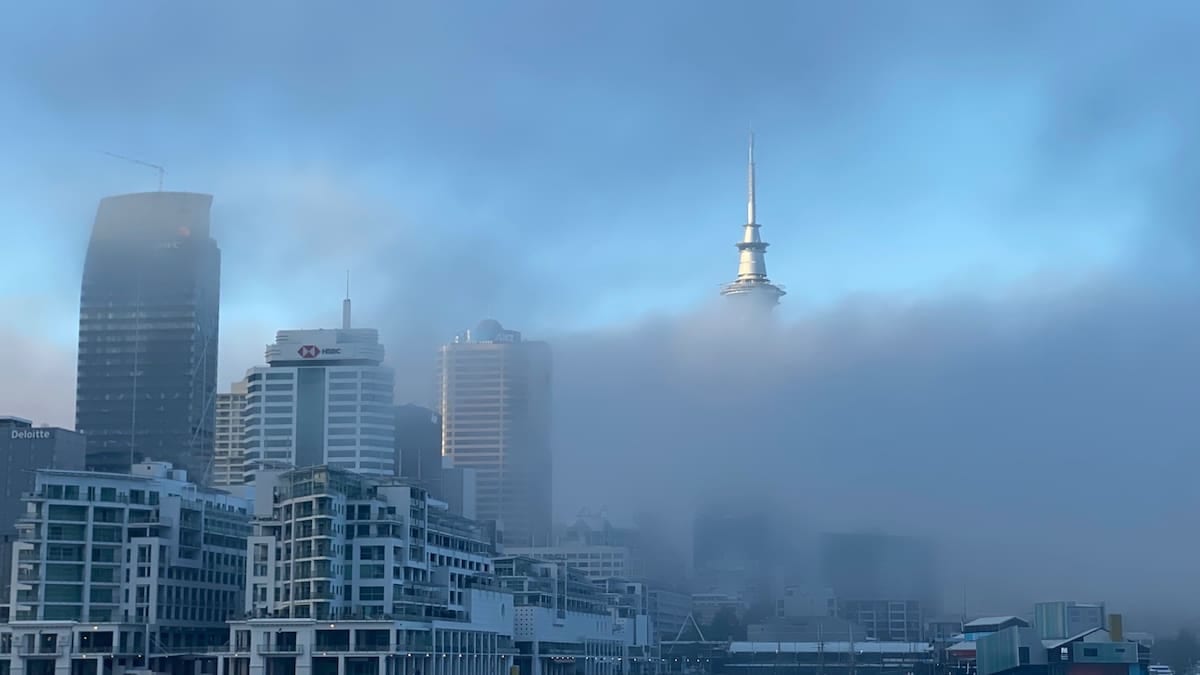
Thick fog across large parts of England on Monday 9 November has prompted a Met Office yellow weather warning, slowing rush-hour journeys on key road, rail and air corridors serving London and the Midlands.
Get the latest news straight to your inbox!
Yellow warning covers key commuter corridors
Publicly available information from the Met Office shows a yellow fog warning in force from 18:00 on Sunday 8 November until late Monday morning, covering much of southern and eastern England, including London, the South East and the Midlands. The alert highlights the risk of “difficult travel conditions and possible delays,” with visibility in some areas reduced to around 50 metres overnight and into the early commute.
The warning map includes busy stretches of the strategic road network and densely used commuter rail routes into London, Birmingham and other urban centres. Guidance accompanying the alert notes that slower journey times are likely, with a chance of disruption to bus and train services where fog remains slow to lift.
Forecast discussion from the Met Office describes a combination of light winds, clear skies and moist air as creating a “perfect recipe” for dense fog patches across central and southern parts of the country. While some locations are seeing only patchy mist, the warning area reflects the potential for more persistent, impactful fog along major transport corridors.
Travel operators are advising passengers to check for the latest service information before setting out, as the fog is clearing unevenly across the warning zone, with some low-lying areas and river valleys likely to hold on to reduced visibility longer than city centres.
Road traffic slows as visibility drops
On the road network, reports from National Highways indicate particularly challenging conditions overnight on the M4 near Heathrow Airport, where a two-vehicle collision around 23:30 on Sunday blocked the westbound carriageway between junctions 3 and 4. The incident, which occurred while thick fog was reported in the area, led to around three miles of congestion before recovery was completed.
Motorway and trunk-road operators have been urging drivers to reduce speed, increase stopping distances and use appropriate lights when travelling through the affected region. In its fog-related travel advice, the Met Office recommends allowing extra time for journeys, checking conditions before departure and being prepared for sudden changes in visibility, especially when moving between higher ground and sheltered low-lying stretches.
Commuter routes around London, including sections of the M25, M3, A1(M) and approaches into the capital from Kent, Surrey and Berkshire, have seen slower-than-usual traffic flows during the morning peak. Local travel bulletins describe pockets of very low visibility leading to rolling queues where drivers are adjusting speeds in response to changing conditions.
Urban areas are also affected, with local authorities and motoring organisations reminding drivers that fog can obscure pedestrians and cyclists at relatively short distances. Travellers heading to park-and-ride sites or suburban rail stations are being encouraged to build in extra time to avoid missing early trains while navigating slower local traffic.
Flight schedules under pressure at London airports
The dense fog has also created challenges for air travel, particularly at London’s busiest airports. Heathrow-focused coverage overnight reported that reduced visibility on surrounding roads prompted the airport to urge passengers to allow extra time to reach the terminals. A summary of aviation reports compiled early on Monday indicates that some British Airways and other carrier services at Heathrow faced delays and a limited number of cancellations linked to low-visibility operations.
Heathrow is equipped with advanced landing systems that allow many flights to arrive and depart in foggy conditions, but publicly available airport guidance notes that when visibility drops below defined thresholds, air-traffic capacity can be reduced to maintain safe spacing between aircraft. That reduction can trigger knock-on delays across the morning schedule, even if only part of the operating period is significantly affected by fog.
Other London airports, including Gatwick and Luton, are also within or close to the warning area, and early-morning flight trackers have shown minor delays building on selected departures and arrivals. Airline advisories available online encourage passengers to monitor flight status before travelling to the airport and to be prepared for gate changes or longer turnaround times while low-visibility procedures are in place.
While there have not been widespread reports of mass cancellations during this event, previous fog episodes in recent years have demonstrated how quickly disruption can escalate when thick fog lingers into mid-morning, especially on days with already busy schedules or tight aircraft rotations.
Rail and bus operators caution of slower journeys
Across the rail network, early-morning information from major operators in southern and central England points to services largely running, but in some cases at reduced speeds where visibility is poorest. Fog itself does not normally halt trains, but it can lead to more cautious driving and minor timetable slippage, particularly on routes with level crossings or sections where drivers rely heavily on lineside signals.
Commuter lines into London from Essex, Kent, Surrey and the Thames Valley, as well as cross-country services through the Midlands, have reported pockets of low visibility. At the same time, signal and track-side staff face more challenging conditions carrying out inspection and maintenance work when dense fog develops at daybreak.
Local and regional bus companies in the warning area have issued general notices advising passengers that travel times may be longer than scheduled, especially on inter-urban routes and school services. Where road congestion builds behind slower-moving traffic, buses can quickly fall behind their timetables, even if the fog itself does not force route suspensions.
Transport-focused coverage this morning highlights that, for many commuters, the impact of the fog is measured less in dramatic disruption and more in cumulative delays of several minutes across different legs of a journey, from local bus to mainline rail and connecting underground or tram services.
What travellers can expect through the rest of the day
Met Office guidance indicates that the yellow warning is scheduled to expire by late morning, as rising temperatures and increasing wind help to disperse the fog. However, some sheltered inland areas may see mist and low cloud lingering into early afternoon, keeping visibility lower than on a typical November day and potentially sustaining minor delays on affected routes.
Weather forecasters are also monitoring the potential for further overnight mist and fog patches later in the week if light winds and clear skies return, although no additional fog warnings had been posted beyond Monday morning at the time of writing. Travellers planning early starts over the next few days are being encouraged to check the latest forecasts and warning updates before finalising departure times.
For those with flexibility, transport planners suggest avoiding the earliest departures from the most affected areas on mornings when warnings are in place, redistributing some journeys into late morning once fog has lifted. Where plans cannot be adjusted, carrying out basic checks such as confirming flight status, reviewing rail updates and allowing extra time for airport transfers or motorway approaches can help mitigate the risk of missed connections.
As the UK moves further into the late-autumn period, climate summaries show that southern England typically experiences several dense-fog days each season. Travel organisations note that events like today’s highlight the importance for both domestic commuters and international visitors of factoring fog into journey planning at this time of year, particularly when itineraries rely on tight connections between different modes of transport.