


More news on this day
A broad swathe of the UK is facing the prospect of disrupted journeys after a yellow fog warning was issued in the run-up to the weekend, with forecasters highlighting the risk of reduced visibility, slower road traffic and delays to rail and air services.
Get the latest news straight to your inbox!
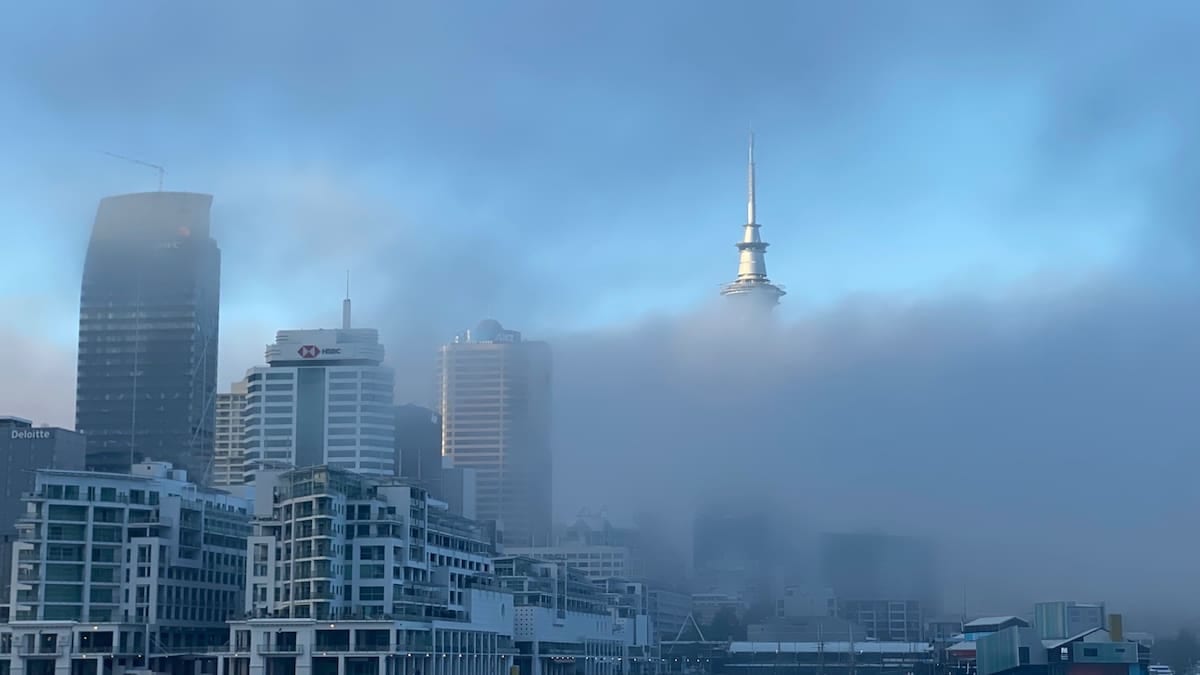
Fog Warning in Force Across Large Areas
Publicly available information from the Met Office shows a yellow warning for fog covering extensive parts of the UK, including large areas of England and Northern Ireland, from 18:00 on Sunday 8 November until late Monday morning. The alert, issued on 8 November, highlights “fog patches forming overnight and into Monday morning” that may lead to difficult travel conditions and possible disruption to journeys.
The Met Office warning notes that visibility could fall below 100 metres in places, with some locations experiencing dense fog closer to 50 metres or less. The warning is categorised as having a high likelihood and a moderate impact, a combination that, according to Met Office guidance on warning colours, signals an elevated risk of travel disruption even though conditions may not be extreme everywhere.
Regions highlighted in the latest warning include all of the counties of Northern Ireland, as well as swathes of central and southern England where high pressure and light winds are allowing fog to form and persist. Separate accessible guidance from the Met Office emphasises that yellow alerts of this type are intended to flag situations where some people are likely to experience delays to daily activities, particularly when travelling.
While the formal validity of the warning focuses on Sunday night into Monday morning, recent Met Office outlooks for the days ahead describe a pattern of calm, settled weather under high pressure, with fog remaining a recurring feature into the following weekend for parts of the country. This has prompted growing concern among travellers with plans for leisure breaks, family visits and remembrance-related events.
Road Journeys Facing Reduced Visibility and Slower Speeds
Driving conditions are expected to be the first and most widespread casualty of the fog. The Met Office’s travel advice for fog warns that significantly reduced visibility increases stopping distances, encourages slower speeds and can make it harder for drivers to spot hazards such as stationary traffic, junctions and pedestrians until very late.
The text of the current yellow fog warning explicitly flags “slower journey times” and the possibility of delays to bus services. High-pressure conditions and light winds mean that fog patches may form widely in river valleys, low-lying areas and around major road corridors, particularly overnight and during the morning peak. In previous yellow fog episodes, reports from motorists on busy commuter routes have described heavy spray and sudden changes in visibility over very short distances.
Public guidance from the Met Office and motoring organisations stresses practical steps such as checking that fog lights are working before setting off, reducing speed in line with visibility and leaving greater gaps to vehicles in front. Travellers are also being encouraged to factor in extra time for weekend journeys, particularly on popular intercity routes connecting London with the Midlands and northern England, where early-morning fog can linger longer in autumn.
Local authorities and transport operators often respond to yellow warnings by monitoring conditions on key routes and adjusting signage, but at this stage there is no indication of widespread road closures. Instead, the main risk for weekend drivers is likely to be slower traffic, sporadic congestion and a higher chance of minor collisions in patches of dense fog.
Rail and Air Travellers Warned of Possible Delays
The latest Met Office bulletin and related news coverage underline the potential for disruption beyond the road network. The current fog warning text cites a risk of “delays to bus and train services” and notes that there is a chance of delays or cancellations to flights where visibility at airports drops below operational thresholds.
Reports from national broadcasters and UK news outlets indicate that airlines and airport operators are already preparing for the possibility of schedule adjustments if dense fog persists into busy morning periods at major hubs in southern England and the Midlands. In earlier fog events this autumn, low visibility at airports such as London Heathrow and London City has resulted in reduced arrival and departure rates, knock-on delays and occasional short-notice cancellations.
Train operators have also used previous yellow fog warnings as a prompt to alert passengers to potential speed restrictions on some lines, particularly where signalling systems and level crossings can be affected by very low visibility. While there is currently no blanket indication of timetable cuts for the coming weekend, travellers are being advised via public channels to check live information with rail companies on the day of departure.
With the fog warning coming on top of recent storm-related rail disruption in parts of Scotland and northern England earlier in the season, the prospect of additional weather-related delays may influence decisions by some passengers to travel outside the busiest hours or to allow greater connection times between journeys.
How the Yellow Warning System Works
The Met Office’s National Severe Weather Warning Service categorises alerts by both likelihood and impact, using the colours yellow, amber and red to communicate risk. Public guidance on the system explains that yellow warnings can be used in two distinct situations: when low-level impacts, such as localised travel delays, are fairly likely in a few places, or when more disruptive conditions are possible but confidence in their exact occurrence is lower.
In the current case, the yellow fog warning is described as having a high likelihood and a moderate impact, placing it on the more notable end of the yellow scale. Supporting Met Office documentation on community resilience notes that yellow warnings indicate the possibility of travel delays, road and rail disruption and, in some scenarios, a broader effect on daily routines for those in the affected areas.
The warning framework is designed to be updated as new data become available. Recent Met Office blog posts on the weekend weather pattern stress that warnings may be extended, expanded or cancelled as confidence in the evolution of fog and cloud cover changes. Travellers planning weekend journeys are therefore being encouraged by publicly available forecasts to keep checking for revisions to both local and national alerts in the days ahead.
Because fog is often highly localised and sensitive to small variations in temperature, wind and cloud, the presence of a yellow area on the national map does not guarantee dense fog at every point. However, the current combination of long autumn nights, light winds and prior rainfall is being highlighted by forecasters as an environment in which widespread fog is more likely to develop repeatedly.
What Weekend Travellers Can Do Now
For those with imminent weekend travel plans, the evolving fog situation across the UK points to the need for flexibility rather than wholesale cancellations. Publicly available advice from the Met Office emphasises checking the latest local forecast within 24 hours of departure, paying particular attention to the timing of any renewed fog warnings overnight into Saturday and Sunday.
Air passengers are being encouraged, via airline and airport travel updates, to monitor booking channels and flight status tools closely, especially for early-morning departures from airports in the warning zone. Where options exist, some travellers may choose to move non-essential flights to later in the day, when fog is more likely to have lifted, accepting that such changes can come with additional costs depending on ticket conditions.
Those travelling by road or rail over the weekend are likely to benefit from simple adjustments such as leaving earlier, avoiding tight connections and considering alternative routes that stay on well-lit, major roads where visibility and traffic monitoring are typically better. For many journeys, the impact of the yellow fog warning may translate into slower progress rather than outright cancellations.
Forecasts issued in early November suggest that high pressure and associated fog may remain a recurring theme into the mid-month period, so travellers making plans for later weekends may want to keep an eye on updated outlooks. With the current yellow warning demonstrating how quickly fog can become a countrywide travel concern, staying informed will be key for anyone hoping to keep their weekend movements on track.