


More news on this day
Thick fog is once again gripping parts of Essex, with a fresh yellow weather warning in force and visibility falling sharply across major routes during one of the busiest commuting periods of the week.
Get the latest news straight to your inbox!
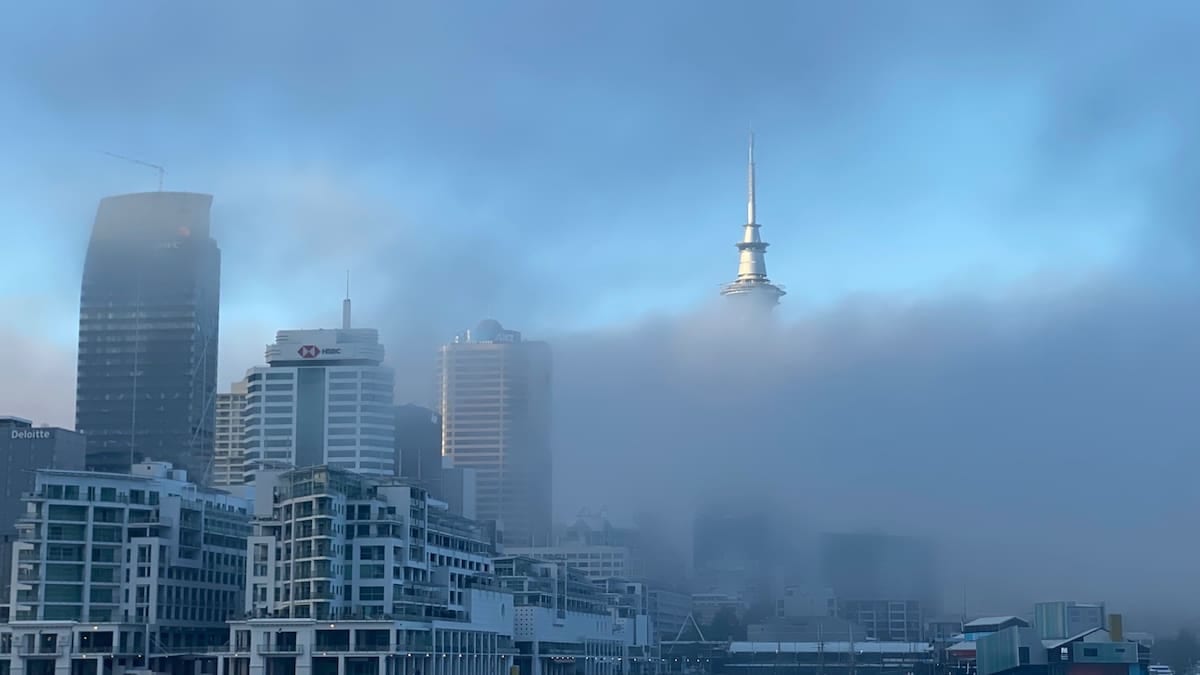
Fresh Met Office alert as dense fog lingers over Essex
Publicly available information from the Met Office shows a yellow fog warning in place across large swathes of eastern and southern England on Monday 9 November 2026, with Essex among the counties highlighted. The alert follows an earlier warning that covered Sunday night into Monday morning and reflects forecasters’ concern that fog patches are persisting and reforming rather than clearing quickly.
The latest warning indicates that fog is expected to thicken again during the evening and overnight period, with some areas likely to see visibility fall below 100 metres at times. Reports from local monitoring points suggest that conditions are especially poor along low-lying stretches of countryside and near river valleys, where cool, still air has allowed fog to settle.
The yellow category is the lowest level in the Met Office’s severe weather warning system, but it still signals a risk of disruption. The current notice emphasises the potential for slower journey times, local delays to bus and train services, and possible flight delays where visibility at airports is significantly reduced.
Coverage from national broadcasters notes that the warning area stretches from Yorkshire down through the Midlands to Bath and across much of the South East and East of England. Within that wider zone, Essex sits close to the core of thickest fog, leaving many of the county’s main road and rail corridors exposed to sudden changes in visibility.
Travel disruption expected on key Essex routes
Travel reports early on Monday highlight particularly challenging conditions on sections of the A12, A13 and A127, where drivers are encountering rapidly changing visibility along otherwise familiar routes. On parts of the A12 north of Chelmsford, motorists have reported stretches where vehicles ahead are barely discernible until they are only a few car lengths away.
Rail passengers are also being advised to allow extra time. While dense fog does not usually halt services on its own, publicly available travel updates suggest that some early-morning trains through Essex are operating at reduced speeds, particularly on lines where trackside visibility is limited, signals may be harder to see at distance and staffing adjustments are required.
Air travel could face knock-on effects too. London Stansted Airport, which lies close to the Essex border, is within the area affected by the yellow warning. Aviation monitoring sites indicate that thick fog around airfields can trigger low-visibility operating procedures, potentially leading to delays for arrivals and departures as spacing between aircraft is increased and ground movements are handled more cautiously.
Local resilience information shared by regional preparedness groups stresses that drivers should not assume that a familiar commute will be unaffected. Conditions can vary markedly over short distances, with some sections of road remaining clear while others see visibility drop sharply as banks of fog drift across open farmland and coastal marshes.
What the yellow fog warning means for residents
The Met Office’s National Severe Weather Warning Service describes yellow alerts as an indication that conditions could cause some travel disruption and that people should keep up to date with forecasts and local travel information. In the context of fog, that typically means a higher likelihood of slower journey times, extended driving stress and a greater risk of minor collisions when motorists fail to adjust their speed.
Public guidance from the Essex resilience and emergency planning community notes that dense fog becomes particularly hazardous once visibility falls below 200 metres, with the danger increasing rapidly if it drops under 50 metres. Under such conditions, tail lights ahead can disappear in seconds, making it much harder for drivers to react to braking vehicles, stranded cars or unexpected obstacles.
Residents who need to travel are being encouraged, through publicly available safety campaigns, to plan routes carefully and consider whether journeys can be delayed until conditions improve. For those who must drive, the key recommendations include significantly reducing speed, maintaining much larger gaps between vehicles, using dipped headlights and fog lights where appropriate, and avoiding sudden braking that could cause chain reactions in low-visibility traffic.
There is particular concern for vulnerable road users such as cyclists and pedestrians in built-up areas of Essex. Poor visibility can make it harder for drivers to see people crossing at junctions or stepping off kerbs, especially during the busy school run and early-evening commute when natural light is already limited.
Impact on daily life, schools and local attractions
The renewed foggy conditions are likely to have a wider effect on daily life across Essex beyond commuting. Parents on school runs may face slower journeys and longer queues near primary and secondary schools, while school transport providers could adjust pick-up times or routes to account for slower progress on rural roads.
Local visitor attractions that rely on clear views, such as coastal promenades, country parks and historic sites with elevated viewpoints, may see quieter than usual footfall while the yellow warning remains active. Travel and tourism coverage indicates that some outdoor activity providers across the wider region are advising customers to check conditions on the day and be prepared for curtailed or rescheduled sessions where safety could be compromised by poor visibility.
Fog also has a subtle impact on how people use urban spaces. Town centres in Chelmsford, Colchester and Southend could feel noticeably quieter during the early hours, with some residents opting to delay shopping trips or non-essential appointments. For hospitality businesses, the effect may be mixed, with some cancellations offset by local residents choosing venues closer to home rather than travelling further afield.
Healthcare planners in the region are likely to be watching for any short-term uptick in minor road traffic accidents and slips, particularly where fog combines with damp road surfaces and cooler temperatures to create patches of slick tarmac or pavements.
Outlook for the coming hours and advice for travelers
Forecast updates issued on Monday suggest that fog is expected to lift gradually through late morning as daylight strengthens and temperatures rise slightly, improving visibility across much of Essex. However, forecasters also note that where fog is especially dense, it may linger into the early afternoon, particularly away from coastal breezes.
Looking into Monday night and Tuesday morning, model guidance shared in public forecasts indicates a continued risk of mist and fog redevelopment, especially if skies remain largely clear and winds stay light. That means the yellow warning could be followed by further advisories if conditions fail to improve as quickly as hoped.
For those travelling today, transport operators and weather services are urging people through publicly available channels to monitor live updates before setting off. Road users are advised to check congestion maps and motorway message signs, rail passengers to consult journey planners and live departure boards, and air travellers to stay in touch with airline or airport information for any last-minute schedule changes.
While the current fog episode falls within seasonal expectations for early November, the sequence of back-to-back warnings underlines how quickly conditions can deteriorate at this time of year. For Essex residents and visitors alike, staying flexible with travel plans and allowing generous extra time for journeys remains the most practical way to cope as visibility plunges.