


More news on this day
Heavy overnight fog has led to a yellow weather warning across large parts of England on Monday, slowing rush-hour road traffic, disrupting rail services and forcing delays at several of the UK’s busiest airports.
Get the latest news straight to your inbox!
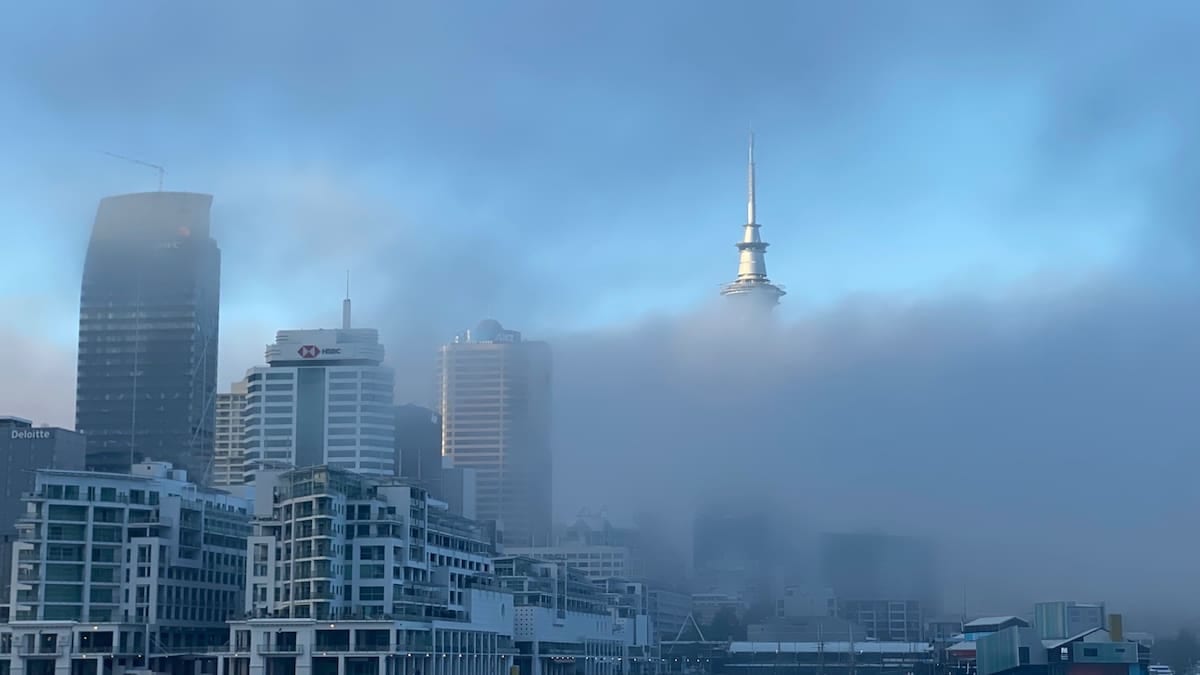
Yellow Fog Warning Covers Much of England
Publicly available information from the Met Office shows that a yellow fog warning came into force at 18:00 on Sunday 8 November 2026 and is scheduled to remain in place until 11:00 on Monday 9 November. The alert covers a broad swathe of England south of Manchester, including much of the Midlands, the Home Counties and key commuter corridors into London.
The warning highlights areas of dense fog with visibility in some locations reduced to around 50 metres or less. Forecast guidance indicates that the thickest fog has been forming overnight and lingering well into the morning, creating difficult driving conditions and increasing the risk of disruption across multiple transport modes at the start of the working week.
Under the UK’s impact-based weather warning system, a yellow alert signals a likelihood of travel delays and general disruption while stopping short of the “amber” or “red” thresholds used for the most severe conditions. For many commuters in affected regions, the combination of low visibility and heavier-than-normal congestion has already translated into longer journey times.
Road Commuters Face Slow Speeds and Local Incidents
Early-morning traffic data and local media coverage indicate that motorists on major routes into London, the Midlands and the South East have been contending with sharply reduced speeds, tailbacks and patchy visibility during the Monday rush hour. Photographs from multiple outlets show key radial routes shrouded in thick fog, with headlights and brake lights glowing through low cloud.
National and regional road reports describe congestion building on sections of the M25, M1 and M4, alongside slower conditions on A-roads feeding into major urban centres. In places where visibility has dropped most sharply, drivers have been advised through public channels to keep greater distances, moderate their speed and use appropriate lights, all of which tend to reduce overall traffic flow and lengthen journey times.
Coverage over the weekend also drew attention to a serious multi-vehicle collision on a major road in Kent on Saturday evening, when fog was among the factors being examined in relation to an incident involving around 30 vehicles near Maidstone. While the worst of Monday’s conditions have so far been characterised more by disruption than by large-scale accidents, transport analysts note that dense fog can quickly turn minor incidents into extended delays as emergency responses and temporary closures ripple through already busy networks.
Rail Services Warn of Slower Journeys
Information from train operators and rail monitoring services on Monday morning points to generally reduced speeds on some lines within the fog zone, particularly in southern and central England. While dense fog does not usually force widespread rail cancellations in the way that storms or flooding might, it can prompt more cautious driving, especially in areas where signals and trackside markers are harder to see.
Some passengers have reported through public channels that services into major city hubs were running a few minutes behind schedule, with operators attributing delays to adverse weather and low visibility. Impact-based forecasts issued ahead of the morning commute referenced the potential for “slower journey times” and minor disruption to rail schedules as one of the key risks associated with the fog.
Modern signalling and train control systems are designed to keep services operating safely in poor visibility, but they often do so at the cost of speed and capacity. In practice this can mean slightly longer gaps between trains and a reduced ability to recover from minor delays during the busiest parts of the day, particularly on heavily used commuter corridors into London, Birmingham and other large cities within the warning area.
Flights Delayed at Major Airports
The aviation sector has been among the most visibly affected, with publicly available flight-tracking data and airport updates showing delays and a limited number of cancellations on Monday morning at major London airports, including Heathrow. Several carriers adjusted schedules or held departures while low-visibility procedures were in force.
Fog is a known constraint for large, high-intensity airports where runways normally operate at very tight intervals. When low-visibility protocols are activated, controllers generally increase the separation between arriving and departing aircraft, reducing the number of flights that can safely be handled within a given period. This effectively puts the airport into what analysts describe as a slower operating mode, and delays can build rapidly when schedules are already full.
Reports in UK media describe passengers facing extended waits in terminal buildings as morning banks of arrivals and departures were pushed back or consolidated. In some cases, inbound flights were held on the ground at their departure airports or placed in holding patterns while conditions at destination hubs slowly improved. While modern navigation systems allow aircraft to land and take off in poor visibility, airport infrastructure and safety margins still limit how intensively those facilities can be used during dense fog events.
Travel Advice and Outlook for the Coming Days
Public guidance linked to the yellow warning urges travellers to check conditions before setting out, allow extra time for journeys and monitor updates from transport operators throughout the morning. For drivers, the emphasis is on ensuring that lights, including fog lights where appropriate, are in working order, reducing speed and maintaining greater separation from the vehicle ahead when visibility drops.
Rail and air passengers are being advised through airline and train company channels to verify the status of specific services rather than relying solely on printed timetables or previous confirmations. Same-day tickets and flexible fares are proving useful for some travellers needing to adjust their plans at short notice where delays or short-notice cancellations occur.
Forecasts issued alongside the current alert suggest that once the fog lifts later on Monday, conditions in many places are expected to become brighter and drier, at least temporarily. However, meteorologists also indicate that with lighter winds and clear overnight skies continuing in parts of the UK this week, further episodes of overnight and early-morning fog cannot be ruled out, particularly in southern and central England.
For commuters and visitors planning journeys over the next few days, the evolving pattern points less to dramatic storms and more to intermittent but disruptive low visibility. Regular checks of updated forecasts and real-time travel information will remain important for anyone moving through the country’s busiest road, rail and air corridors while the risk of dense fog persists.