


Separated by less than an hour on Florida’s Atlantic coast, Fort Lauderdale and Miami offer two very different takes on a South Florida getaway. One leans glamorous and high-energy, the other relaxed and easygoing, and both can be brilliant bases for beaches, nightlife, cruising and family trips. The right choice for you comes down to what kind of vacation you want, how much you want to spend, and how you plan to get around.
Get the latest updates straight to your inbox!
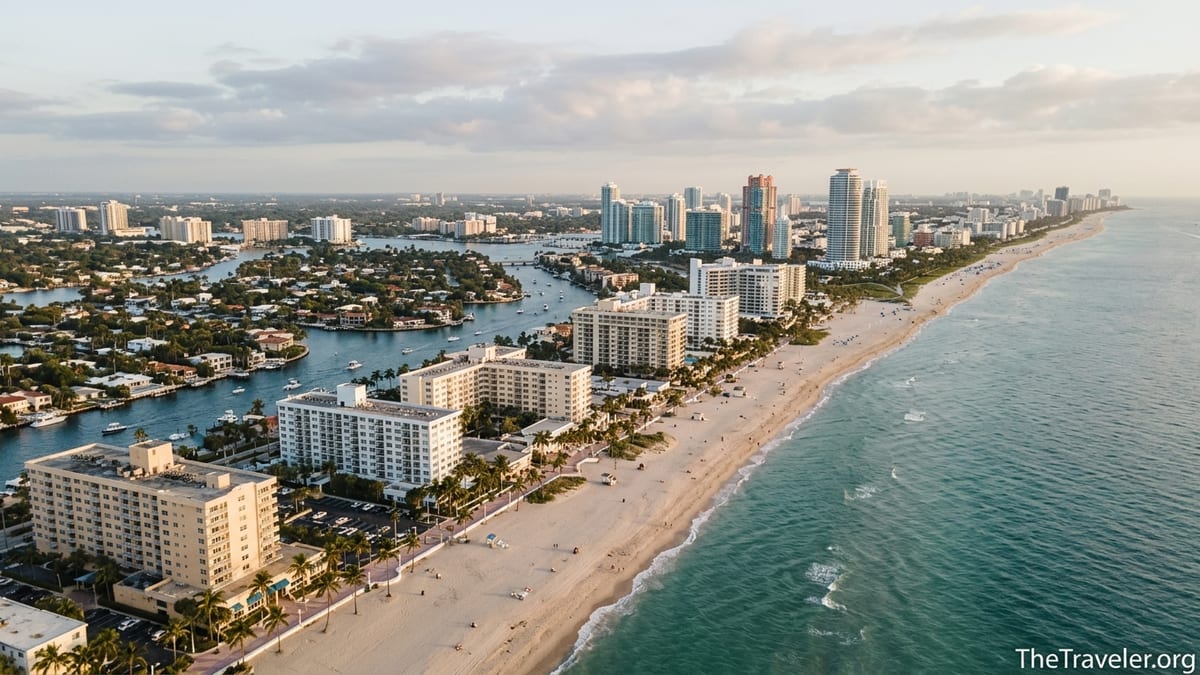
Overall Vibe: Glamour vs Laid-back Canals
Miami, especially Miami Beach and neighborhoods like South Beach, Wynwood and Brickell, delivers the classic big-city South Florida fantasy: high-rise hotels, luxury condos, DJ-driven pool parties, rooftop cocktail bars and a strong international feel. Walking down Ocean Drive on a busy Saturday night, you might hear four or five languages in a single block, pass velvet ropes outside nightclubs, and see supercars crawling along the street.
Fort Lauderdale, by contrast, feels more relaxed and residential, even though its downtown and Las Olas Boulevard have grown livelier in recent years. The city’s identity as the “Venice of America” comes from its web of canals and yacht-lined waterways, and many visitors spend time on water taxis, small boat tours or simply sipping a drink at casual dockside bars. The pace is social but not intense, a better fit if you want beach-town energy without feeling like you are in the middle of a scene all the time.
For travelers who want a trip that feels like an event, Miami is the stronger choice. Think Art Deco architecture in South Beach, art-hopping during Miami Art Week, or booking a table at a restaurant that just got written up in a national magazine. If your ideal vacation leans more toward beach walks, lower-key cocktail bars and spending a day on the Intracoastal Waterway, Fort Lauderdale tends to be more comfortable and less performative.
Both cities are undeniably South Florida: palm trees, humid nights and pastel sunsets. But the dial is turned up higher in Miami on almost every front, from noise to nightlife to prices. Fort Lauderdale gives you much of the same sunshine and ocean for a little less effort and a bit more breathing room.
Beaches and Water: Crowds, Calm and Character
The sand and water are a major reason most people come, and the beach experience differs meaningfully between the two cities. Miami Beach, technically a separate barrier-island city east of Miami, is famous for stretches like South Beach where pastel lifeguard towers, busy boardwalks, and packed sands create the postcard image of Miami. On a typical dry-season weekend, you can expect loud music from nearby bars, groups of friends posing for photos, and beach chairs rented in long rows in front of the larger hotels.
Fort Lauderdale Beach, just off Las Olas Boulevard, tends to feel calmer in day-to-day conditions. The beachfront promenade is wide and lined with mid-rise hotels and casual restaurants, and even when it is busy, the sand usually feels less crowded than the most popular blocks of South Beach. Farther north along A1A, toward neighborhoods like Lauderdale-by-the-Sea, you find a more classic small-town feel with beach motels, fishing piers and easy-going beach bars that rarely go late into the night.
Water conditions can also influence your choice. The Atlantic is warm in both cities for much of the year. Miami Beach can see stronger surf on windy days, particularly in winter fronts, while Fort Lauderdale’s main beaches often feel a touch gentler, which many families with younger children appreciate. Both areas can occasionally be affected by seaweed or by red tide further up the Gulf Stream, so checking recent local reports before your trip is sensible, especially if swimming is your top priority.
If your dream is to combine the beach with boating, Fort Lauderdale has a clear edge. Canal cruises, small yacht charters and water taxis along Millionaires’ Row are everyday options, and many visitors book a half-day trip on a shared catamaran or sightseeing boat rather than staying on the sand all day. Miami offers plenty of boat tours as well, especially from Bayside Marketplace across from downtown, but on-water life is more deeply woven into the city’s identity in Fort Lauderdale.
Nightlife and Dining: Party Capital vs Casual Evenings
Miami’s nightlife reputation is worldwide, and it is largely deserved. In and around South Beach, you can find mega-clubs with internationally known DJs, rooftop lounges over Collins Avenue, and hotel pool parties that run well into the night, especially on weekends and during peak periods like New Year’s, spring break or major music festivals. Brickell and Wynwood add to the options with craft cocktail bars, breweries and late-night restaurants that cater to both locals and visitors.
This level of buzz comes at a cost, both in money and energy. Cover charges at big-name clubs can easily run from 30 to over 100 dollars on busy nights, and cocktail prices in the trendiest spots often sit in the 16 to 25 dollar range before tax and tip. Many venues enforce dress codes and long lines. For travelers who genuinely enjoy staying out until 3 a.m., Miami is one of the best nightlife cities in the United States. For anyone who just wants “somewhere fun to get a drink and maybe hear live music,” it can feel like too much.
Fort Lauderdale’s nightlife scene, centered on Las Olas Boulevard and downtown along the New River, is more compact and generally more approachable. You will find busy bars, clubs that attract spring break crowds in season, and places playing everything from pop to Latin and country. Drinks are usually a bit cheaper than in Miami Beach, and you are less likely to face a strict door policy or long queues. Many places are walk-up casual, which suits couples, groups of friends and even some parents on a night out while grandparents watch the kids back at the hotel.
Dining follows a similar pattern. Miami has a deeper roster of high-end and internationally noted restaurants, including upscale spots in South Beach hotels, trendy small plates in Wynwood and ambitious tasting menus in neighborhoods like Little Haiti or Little River. Fort Lauderdale offers plenty of good food, but the emphasis is more on waterfront seafood grills, steak houses, Latin-American and Caribbean spots, and relaxed cafes rather than the latest chef-driven concept. If you want to dress up for at least a couple of big nights out, Miami is more rewarding. If you are content with fresh fish tacos on a terrace and the occasional white-tablecloth dinner, Fort Lauderdale fits perfectly.
Hotels, Neighborhoods and Typical Trip Costs
Hotel prices fluctuate heavily with season, events and how early you book, but patterns are clear. Recent booking data suggests that an average weekend night at a mid-range three-star hotel in Miami Beach often lands in the mid-200s to low-300s dollars, while four-star properties can easily reach into the high 300s or more in popular periods. In contrast, Fort Lauderdale beach hotels of similar standard often price roughly a tier lower, with many three-star and some four-star options commonly available in the mid-100s to mid-200s outside of peak holidays.
This gap compounds over a week-long trip. Travel planners who track both destinations frequently estimate that a family of four might spend several hundred to more than a thousand dollars less on accommodation over seven nights in Fort Lauderdale compared with Miami, especially if they are willing to stay one or two blocks off the beachfront. That savings can cover extras like boat tours, Everglades airboat trips or a rental car for part of the stay.
Neighborhood choice also shapes your experience. In Miami, staying directly on South Beach gives you immediate access to the iconic shoreline and nightlife, but it is also the noisiest and priciest option. Many visitors, particularly couples and families, opt instead for Mid-Beach or North Beach for a bit more quiet, or for downtown/Brickell if they prefer a modern city feel with easier access to museums and the arena. In Fort Lauderdale, most visitors either pick the strip of hotels along North Fort Lauderdale Beach Boulevard or stay near Las Olas for walkable restaurants and easy access to both beach and downtown.
Beyond hotels, everyday costs are generally higher in Miami. Parking in popular parts of Miami Beach can run well over 40 dollars per night at hotels and be pricey in public garages, while Fort Lauderdale’s beachfront parking and hotel valet rates frequently come in lower, though they still add up. Restaurant tabs are similar: a casual dinner for two with drinks might average 80 to 120 dollars in many Miami Beach hot spots, and somewhat less in Fort Lauderdale for the same style of meal. Travelers watching their spending closely tend to find their money stretches further in Fort Lauderdale.
Airports, Getting Around and Cruise Ports
Both cities are anchored by major airports and two of the world’s busiest cruise ports, which makes them unusually easy to combine with Caribbean or Bahamas sailings. Miami International Airport sits closest to downtown Miami and is a primary hub with extensive domestic and international links. Fort Lauderdale-Hollywood International Airport, about 30 miles north, is smaller but still serves a large number of U.S. and Canadian cities and is often a base for low-cost carriers.
For cruising, PortMiami has long branded itself as the Cruise Capital of the World and continues to host the largest number of passengers annually, with multiple modern terminals handling year-round sailings from big brands like Royal Caribbean, Carnival and Norwegian. Just up the coast, Port Everglades in Fort Lauderdale is also one of the busiest cruise ports globally and serves as a major base for lines such as Celebrity, Princess, Holland America and Disney. Recent data indicates that PortMiami handles roughly twice as many cruise passengers per year as Port Everglades, but both operate at enormous scale and see continuous investments in new terminals and facilities.
Transfers between airports, hotels and cruise terminals are straightforward in both metros. Ride-share services operate widely, and many cruisers simply book an Uber or Lyft from Miami International to PortMiami, which typically takes 15 to 25 minutes depending on traffic. From Fort Lauderdale airport to Port Everglades is usually a 10 to 15 minute ride. If you plan to stay in one city but sail from the other port, you should budget around 45 minutes to an hour for the drive, plus extra time for potential congestion on I-95.
Once in town, you can get around without a car, especially in Miami Beach, Brickell and central Fort Lauderdale, where you can rely on walking, ride-shares and, in Miami, the Metromover downtown. However, if you want to explore beyond the immediate beachfront, visit multiple neighborhoods, or detour into the Everglades, a rental car remains practical. Fort Lauderdale, with its slightly less intense traffic and more plentiful mid-priced parking, is often easier for drivers who do not enjoy big-city roads.
Best Choice for Families, Couples and Group Trips
Families with younger children often gravitate toward Fort Lauderdale thanks to its calmer feel, more forgiving beach scene and easier logistics. Many of the waterfront resorts offer simple pleasures like lagoon-style pools, direct beach access without crossing busy streets, and family-friendly restaurants within a short walk. The promenade along Fort Lauderdale Beach is stroller-friendly, and nearby attractions such as Butterfly World, Flamingo Gardens or easy half-day Everglades tours make for straightforward outings.
Miami can work very well for families too, especially with older kids or teenagers. A stay in Mid-Beach or North Beach, away from the heaviest South Beach nightlife, can provide a good balance of safety and excitement. Families often combine beach time with visits to places like the Frost Science Museum, the Miami Children’s Museum, or a mural walk in Wynwood followed by ice cream. The caveat is that parents may need to plan around the more adult-oriented energy in certain districts after dark, especially on weekends.
For couples, the choice depends heavily on personality and budget. A honeymooning pair who want to splurge on a few nights at a luxury resort, hit headline restaurants and perhaps book a table at an exclusive club will likely feel that Miami delivers more of a “wow” factor. In contrast, couples who prioritize long walks on a quieter beach, happy-hour sundowners, and maybe a sunset cruise or spa day without constantly checking prices often prefer Fort Lauderdale.
Group trips tell a similar story. Bachelor and bachelorette parties, friend groups celebrating milestone birthdays, or college reunions who genuinely want late nights, big crowds and a cosmopolitan backdrop will find more variety in Miami. Groups that want to spend more time together poolside, on shared excursions or simply hanging out at waterfront bars without big minimum spends generally get better value and less stress in Fort Lauderdale.
South Florida Vibe: Culture, Day Trips and Beyond the Beach
Neither city is just a beach, and your interest in broader culture and day trips might influence your pick. Miami is one of the most multicultural cities in the United States, and that shows in neighborhoods like Little Havana, with salsa bars and ventanita coffee counters, and in events that draw global art and fashion crowds. If you enjoy museums, galleries and live performances, Miami offers a deeper bench, from contemporary art spaces to major concerts and sports at arena venues.
Fort Lauderdale has its own cultural core, centered around Las Olas Boulevard and the Riverwalk, with smaller museums, galleries and a performing arts center. You will also find pockets of Caribbean and Latin culture, particularly in surrounding Broward County communities. But overall, the feel is more small-city coastal than big global crossroads. Many visitors spend much of their time near the water and slot in one or two downtown dinners or a show instead of making culture the main focus of the trip.
Day trips from both cities overlap. The Everglades are accessible in an hour or so by car from either, and popular airboat outfitters run tours that pick up from Miami and Fort Lauderdale hotels. Shopping outlets, such as large malls and outlet centers to the west, are a frequent rainy-day choice regardless of where you are staying. If you want to explore further up the Atlantic coast to places like Palm Beach, staying in Fort Lauderdale saves some driving, while those interested in heading south toward the Keys sometimes prefer to base in Miami for the first leg of the journey.
In terms of intangible “South Florida vibe,” Miami is bold, flashy and at times chaotic, while Fort Lauderdale is sunny, social and more low-key. Visitors who want to feel like they are in the center of something global tend to connect more with Miami. Those who simply want a warm-weather escape that feels comfortable rather than intense often leave Fort Lauderdale already thinking about the next trip back.
The Takeaway
Choosing between Fort Lauderdale and Miami is less about which city is better and more about which city matches the trip in your head. Miami excels at high-energy beach life, world-class nightlife and dining, and a dense, international urban feel where there is always something happening. Fort Lauderdale trades some of that intensity for easier logistics, calmer beaches, lower average prices and a more relaxed social scene still rich in sun, sand and boats.
If you are planning a once-in-a-while splurge, love late nights and want to stack your itinerary with headline restaurants and big-name clubs, Miami will likely feel worth the premium. If you are traveling with kids, watching your budget, or simply prefer your palm trees with a side of peace, Fort Lauderdale often delivers a smoother, more restful version of the South Florida dream.
Many travelers ultimately blend the two, booking a week in Fort Lauderdale and spending one or two evenings in Miami, or vice versa. The cities are close enough that you can sample both. But if you have to pick one, let your priorities lead: glamour, density and nightlife point toward Miami; value, calm and easy beach days point toward Fort Lauderdale.
FAQ
Q1. Is Fort Lauderdale cheaper than Miami for a beach vacation?
In general, yes. Hotel rates, parking and many restaurant prices tend to be lower in Fort Lauderdale than in Miami Beach, especially during busy periods, so your overall trip budget often stretches further.
Q2. Which city has better beaches, Fort Lauderdale or Miami?
Both offer wide, attractive Atlantic beaches. Miami Beach is livelier and more crowded, especially in South Beach, while Fort Lauderdale’s main beaches usually feel calmer and slightly more relaxed, which many families prefer.
Q3. Where should I stay if I am taking a cruise from PortMiami?
If you are sailing from PortMiami and want minimal transfer time, staying in downtown Miami or Miami Beach makes logistics easiest, though some travelers do stay in Fort Lauderdale to save money and then book a ride-share to the port on sailing day.
Q4. Is Fort Lauderdale or Miami better for nightlife?
Miami clearly wins for sheer volume and variety of nightlife, with world-famous clubs and late-night venues. Fort Lauderdale has a fun bar and club scene around Las Olas and downtown, but it is generally more laid-back and ends earlier.
Q5. Which destination is better for families with young children?
Fort Lauderdale is often the easier fit for families with younger kids because of its calmer beaches, simpler logistics and family-friendly waterfront resorts, though Miami can also work well if you choose quieter neighborhoods and plan around nightlife areas.
Q6. Do I need a car in Miami or Fort Lauderdale?
You can get by without a car if you stay in walkable areas like South Beach, Brickell or Fort Lauderdale Beach and rely on ride-shares, but renting a car is helpful if you want to explore beyond the immediate beachfront or take day trips to the Everglades or other nearby towns.
Q7. How long is the drive between Fort Lauderdale and Miami?
The drive between central Fort Lauderdale and central Miami typically takes 35 to 50 minutes by car, depending on traffic. During rush hours or peak weekend times, you should allow extra time for congestion on I-95 or local roads.
Q8. Is Miami too wild during spring break?
Certain parts of Miami Beach, especially South Beach, can be very crowded and party-focused during peak spring break weeks, with heavy nightlife and late-night noise. If you are concerned about that atmosphere, Fort Lauderdale or quieter parts of Miami Beach may be more comfortable during that season.
Q9. Which city has better public transportation options?
Miami has more developed public transport, including the Metrorail and the free Metromover downtown, which can be handy if you stay near their routes. Fort Lauderdale relies more heavily on cars and ride-shares, though there are local buses and some trolley-style services in tourist areas.
Q10. If I want both nightlife and relaxation, can I split my stay?
Yes. Many travelers spend a few nights in Miami for nightlife and dining, then move to Fort Lauderdale for a quieter stretch by the beach or before a cruise. The short distance between the cities makes a split stay easy to arrange.