


Fort Lauderdale has quietly shifted from spring break stereotype to polished beach city with a laid back edge. With a busy cruise port, miles of lifeguarded sand, and a compact downtown that feels more relaxed than Miami but livelier than Palm Beach, it now leaves many travelers wondering: is Fort Lauderdale worth visiting, and for whom does it actually make sense? This guide breaks down the decision with real world examples of costs, neighborhoods, and trip styles so you can decide if it fits your plans and how long to stay.
Get the latest updates straight to your inbox!
Who Fort Lauderdale Is Best For Today
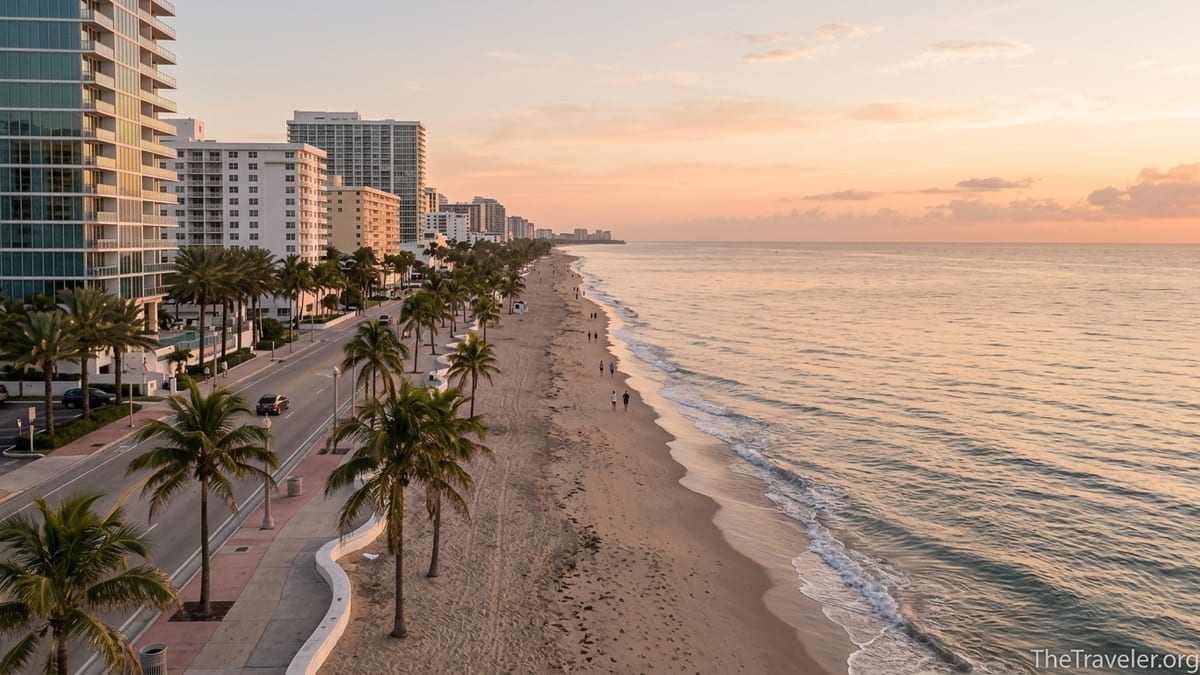
Fort Lauderdale works especially well for travelers who want a beach city that feels urban but not overwhelming. If you like the idea of walking from a mid rise oceanfront hotel to casual seafood spots and bars in flip flops, rather than dressing up for velvet rope clubs, you are squarely in Fort Lauderdale territory. Areas like Central Beach and the Las Olas corridor combine high rise hotels with a broad promenade and easy access to the sand, so you do not need a car all the time if you choose your base carefully.
The city is also a strong choice for cruise travelers. Port Everglades, located just south of Central Beach and minutes from the airport, is one of the busiest cruise homeports in the world, sharing top tier status with PortMiami and Port Canaveral by annual passenger volume. Many mainstream lines homeport ships here on Caribbean itineraries, which makes Fort Lauderdale ideal for a one or two night pre cruise stay in a beach hotel instead of a pure airport hotel.
Families and multigenerational groups tend to find Fort Lauderdale easier than Miami. The beachfront has wide sidewalks, frequent lifeguard towers, and a calmer energy compared with South Beach on a Saturday night. You will still find beach bars, sports bars, and rooftop venues, but they are mixed in with ice cream shops, casual taco spots, and kid friendly restaurants rather than concentrated into a dense party strip.
On the other end of the spectrum, Fort Lauderdale suits travelers who want a more grown up social scene than quiet resort towns such as Singer Island or the residential stretches of Palm Beach County. The downtown riverside area near the New River and the bars off Las Olas Boulevard offer a busy weekend bar scene, especially around holidays and spring break, without the megaclub intensity or pricing of Miami’s most famous nightlife districts.
Fort Lauderdale vs Miami vs Palm Beach
If you are deciding between Fort Lauderdale, Miami, and Palm Beach, it helps to think in terms of energy and cost. Miami, particularly South Beach and the Brickell area, delivers intense nightlife, celebrity chef restaurants, and heavy traffic. Hotel rates there regularly spike, and dinner at a trendy spot can easily run to high prices once you add cocktails and service. Palm Beach, especially the island of Palm Beach itself, leans toward quiet, manicured wealth with historic hotels, upscale boutiques, and a social scene built around private clubs and refined restaurants.
Fort Lauderdale sits in the middle. It has a high rise oceanfront and a cluster of luxury hotels along A1A, including well known brands like Ritz Carlton and Conrad, but you can still find midrange options and older properties a block or two off the water. A casual dinner for two on Fort Lauderdale Beach or along Las Olas might reasonably come in at a moderate total at a midrange restaurant, noticeably less than what you might pay for a similar meal at a fashionable dining room in South Beach.
For nightlife, Miami offers the biggest clubs, international DJs, and a late late schedule that appeals to travelers who specifically want to party. Fort Lauderdale’s nightlife, centered around Las Olas Boulevard, downtown bars, and beachfront venues, is more about bar hopping, live music, and outdoor patios. If your ideal evening is a series of cocktails and people watching on a terrace overlooking the Intracoastal or ocean, Fort Lauderdale is a better fit than lining up for a huge club in Miami.
When comparing to Palm Beach, Fort Lauderdale feels less formal and more varied in price point. Palm Beach County has gorgeous beaches and high end shopping, but many of its oceanfront zones are more residential and quiet at night. Fort Lauderdale offers a livelier strip of beach with more casual dining directly on or across from the sand, so travelers who want to mix pool time with walkable restaurants and some nightlife will likely be happier there.
Beaches, Neighborhoods, and Atmosphere
Fort Lauderdale’s main city beach runs about three miles, with a series of lifeguard towers and a paved promenade separating the sand from A1A. The section near Las Olas Boulevard and the Las Olas Oceanside Park feels like the classic postcard view: a palm lined walkway, mid and high rise hotels across the street, and easy access to the ocean. This is where you will find many of the big name resorts and beach bars, so expect it to be busy on weekends and during school holidays.
Just south of the busiest stretch, around Fort Lauderdale Beach Park and toward the inlet, the feeling becomes a bit more relaxed. You will see more families setting up for the day, volleyball courts in use, and picnic pavilions. These areas still connect to the same promenade, so you can walk back up to the denser restaurant cluster around Las Olas when you want a meal, but the sand often feels slightly less crowded than the blocks directly in front of the tallest hotels.
North of Las Olas, toward Sunrise Boulevard and Hugh Taylor Birch State Park, the beach edges into a greener, more local atmosphere. The park itself offers shaded trails, lagoon kayaking, and access to a quieter stretch of sand, giving you a taste of coastal nature even though you are only a short rideshare or walk away from busy hotel towers. Just beyond, low rise areas like Lauderdale by the Sea provide a small town beach feel with fishing pier, open air restaurants, and frequent live music on weekends.
The city’s character changes as you move inland. Downtown along the New River and Las Olas Boulevard you will find mid and high rises, office buildings, and a growing cluster of condo towers. There is a riverfront promenade with outdoor seating where water taxis and private boats pass by all day, sometimes earning Fort Lauderdale its “Venice of America” nickname. This is the best place for a car free evening of bar hopping and dining, especially if you stay in one of the hotels that sit between Las Olas and the beach and use rideshares or the local shuttle to move around.
Prices, Value, and When Fort Lauderdale Is Worth It
Fort Lauderdale is not a budget destination, but it often offers better value than Miami Beach for similar proximity to the sand. Oceanfront hotels on busy weekends and in peak winter season will still command high nightly rates, but you can frequently save by choosing properties on the Intracoastal side of A1A or a few blocks inland and walking ten minutes to the beach. Older motels and small hotels in areas between the ocean and US 1 sometimes undercut the big resorts by a noticeable margin, especially in shoulder season.
Day to day expenses follow a similar pattern. A casual breakfast spot on Fort Lauderdale Beach or along Las Olas will usually charge less than a comparable trendy Miami Beach cafe. Happy hour specials line the riverfront and sections of the beach strip, which can bring the cost of a couple of drinks and small plates down to a level that feels reasonable for a U.S. coastal city. Parking, however, is rarely cheap on or near the beach, so visitors who will drive frequently should factor garage and metered rates into their budget.
Fort Lauderdale represents especially good value if you were already planning a Caribbean cruise. Instead of flying in the morning of your sailing and worrying about delays, you can arrive a day or two early and actually enjoy the city without significant extra transportation costs. Many chain hotels near the 17th Street Causeway and in the Harbor Beach area cater specifically to cruise passengers, with early check in options, bag storage, and simple rides to Port Everglades. For a couple sharing a room, the added cost of one pre cruise night is often outweighed by the peace of mind and the bonus beach time.
There are times when Fort Lauderdale may feel less worth it. If your primary goal is ultra budget travel, the combination of resort fees, parking charges, and dining prices might push it above what you want to spend. Likewise, travelers seeking pure seclusion or boutique historic charm might be happier in smaller Florida beach towns or on the quieter stretches of the Gulf Coast. Fort Lauderdale’s skyline and busy boulevard are central to its personality, so you should arrive expecting a city beach, not an untouched coastline.
Nightlife, Dining, and Who Will Enjoy the Scene
Fort Lauderdale’s nightlife is varied rather than extreme. The epicenter for going out runs along Las Olas Boulevard and the adjacent downtown streets, where you will find a mix of sports bars, cocktail lounges, rooftop spots, and dance friendly venues. On a Friday or Saturday, this area hums with a young but diverse crowd, including locals, cruise passengers in town before or after sailings, and domestic visitors on weekend getaways. Dress codes are more relaxed than in Miami’s flashiest districts, so smart casual outfits and sandals are usually enough.
Along the beachfront, the atmosphere skews toward relaxed fun. Expect open air bars with frozen drinks, live bands covering familiar songs, and people drifting between hotel bars and beach clubs. The vibe is closer to a beach town with an urban backdrop than a megaclub destination. This suits groups of friends who want to socialize and stay out late without planning bottle service or dealing with steep cover charges, but it may feel too low key if you want an iconic, all night club experience.
The dining scene reflects Fort Lauderdale’s waterfront setting. Many visitors gravitate toward restaurants on the Intracoastal and New River, where decks overlook marinas filled with yachts and tour boats. Menus tilt heavily toward seafood, with stone crab in season, snapper, grouper, and various shrimp dishes, but you will also find steakhouses, Italian spots, and Latin American restaurants. On Las Olas Boulevard, sidewalk tables are common, turning the street into a long, energetic dining room each evening.
Travelers who care more about food than nightlife will find enough variety for a long weekend or short stay, particularly if they branch out to neighborhoods like Wilton Manors or head north and south along Federal Highway. For an extended culinary trip, however, Miami still wins on sheer diversity and depth of high end options. In practical terms, that makes Fort Lauderdale a great base for relaxed eating and drinking, with the option to splurge on a special dinner in Miami if you do not mind a drive or rideshare ride of roughly 30 to 45 minutes depending on traffic.
Families, Cruises, and Trip Length: How Long to Stay
Families often debate whether Fort Lauderdale can keep children busy beyond the beach, and for most short trips the answer is yes. In addition to the main city beach with its lifeguards and shallow nearshore waters, there are playgrounds at beach parks, the Museum of Discovery and Science downtown, and easy outings like water taxi rides along the Intracoastal where kids can count yachts and spot bridges opening for tall masts. Nearby Lauderdale by the Sea adds a walkable village feel with ice cream shops and frequent live music in the evenings.
For cruise passengers, the ideal stay is typically one to two nights pre cruise and optionally one night post cruise. Arriving the afternoon before your sailing gives you time for a swim, dinner on the water, and a relaxed breakfast before heading to Port Everglades. Travelers flying from colder climates in winter sometimes stretch this to three or four nights to build in a proper mini beach holiday before boarding their ship. Because the port and airport sit close together, you can move from hotel to ship in a short drive, minimizing logistics.
For a pure beach city trip without a cruise, three to five nights is a good starting point. In that time you can sample the main beach, spend a half day exploring Hugh Taylor Birch State Park, walk Las Olas and the Riverwalk, do a half day boat tour or Everglades airboat excursion, and enjoy a couple of evenings out. Shorter stays of two nights work if you are pairing Fort Lauderdale with Miami or the Florida Keys and simply want a taste of its more relaxed atmosphere.
Longer stays of a week or more make sense for travelers who plan to work remotely from a condo or extended stay hotel or for snowbirds escaping winter who are comfortable with the city’s prices. In that case, rotating between Fort Lauderdale Beach, Lauderdale by the Sea, Hollywood Beach to the south, and day trips to Miami or Palm Beach will keep things varied. If you prefer low key repetition, Fort Lauderdale’s consistent beach conditions and predictable daily rhythm can be a plus rather than a drawback.
The Takeaway
Fort Lauderdale is worth visiting if you want a beach city that blends urban conveniences with a relaxed, accessible atmosphere. It shines for travelers who like the idea of a walkable beachfront, plenty of midrange dining, and a social scene that is lively without being overwhelming. It is particularly strong as a cruise gateway, a family friendly alternative to Miami, and a middle ground between party focused South Beach and buttoned up Palm Beach.
On the other hand, if your main goals are cutting costs to the bone, dancing until sunrise in world famous clubs, or retreating to a quiet, low rise beach village, there are better options elsewhere in Florida. Fort Lauderdale’s core experience centers on its high rise but human scale beachfront, busy port, and riverfront bar and restaurant scene. Used in the right way, especially for three to five night trips or cruise add ons, it delivers a satisfying mix of sand, sun, and city without as much hassle as some of its more famous neighbors.
FAQ
Q1. Is Fort Lauderdale safe for tourists compared with Miami and Palm Beach?
Overall, Fort Lauderdale’s main tourist areas such as Central Beach, Las Olas, and the downtown riverfront feel broadly comparable in safety to busy zones in Miami and Palm Beach when you use normal city awareness. Most visitors experience only minor issues like petty theft if they leave valuables unattended on the beach. Choosing well lit, central accommodations and using licensed taxis or rideshare at night will go a long way toward a smooth trip.
Q2. How many days do I really need in Fort Lauderdale?
For a first time visitor, three to five days is a comfortable window. That allows for at least two full beach days, one day focused on Las Olas and the Riverwalk, and one day for a boat tour or Everglades side trip. Cruise passengers often add one or two nights before sailing to adjust to the weather and enjoy the beach without rushing.
Q3. Is Fort Lauderdale cheaper than Miami for hotels and food?
In broad terms, yes. While oceanfront resorts in Fort Lauderdale can still be expensive in peak season, average hotel and restaurant prices tend to run a bit lower than in hot spots like South Beach or Brickell. You are more likely to find midrange hotels within a short walk of the beach and casual waterfront restaurants that do not feel like a major splurge every night.
Q4. Which area should I stay in: the beach or Las Olas / downtown?
If your priority is sand and ocean views, choosing a hotel along Fort Lauderdale Beach around Las Olas or a little north or south makes the most sense. You can then visit Las Olas and downtown by rideshare or water taxi in the evenings. If you care more about nightlife, dining variety, and a more urban feel, staying closer to Las Olas Boulevard or along the New River and visiting the beach by day is a good compromise.
Q5. Is Fort Lauderdale a good place for families with young children?
Yes, many families find Fort Lauderdale easier than busier parts of Miami. The main beach has lifeguards, a gentle slope into the water most days, and playgrounds at nearby parks. Family friendly attractions such as the Museum of Discovery and Science, easy boat rides, and the small town feel of nearby Lauderdale by the Sea give you options beyond simply playing in the surf.
Q6. How does the nightlife in Fort Lauderdale compare with Miami’s?
Fort Lauderdale’s nightlife is more about relaxed bar hopping and live music than giant clubs and international DJs. Las Olas Boulevard, the downtown cluster of bars, and beachfront venues create a fun scene that goes late on weekends but generally lacks the intense, high priced, and highly curated club culture of Miami’s top nightlife districts. Travelers who want a social but low pressure night out usually prefer Fort Lauderdale.
Q7. Is Fort Lauderdale worth it if I am not taking a cruise?
Yes, as long as you are looking for an urban beach break rather than a remote escape. The combination of a long, lifeguarded beach, walkable oceanfront, downtown riverfront, and easy access to Everglades and boat tours justifies a standalone visit of several days. The cruise port simply adds an extra reason for some travelers to choose it, but the city itself has enough to fill a short vacation.
Q8. Do I need a car in Fort Lauderdale as a visitor?
Not necessarily. If you stay in or between Central Beach and the Las Olas area, you can combine walking, rideshare, and water taxis to get around. A car becomes more useful if you plan day trips to Miami, Palm Beach, or the Everglades on your own, or if you choose accommodations away from the main tourist corridors where public transport and walking are less convenient.
Q9. When is the best time of year to visit Fort Lauderdale?
The most comfortable months run from roughly December through April, when temperatures are warm but humidity is lower and ocean conditions are generally pleasant. This is also high season, so prices are higher and beaches busier. Shoulder seasons in late spring and early fall can offer better value, while summer brings higher humidity, more afternoon storms, and higher chances of tropical systems along with lower accommodation rates.
Q10. Is Fort Lauderdale good for a romantic or couples trip?
Yes, particularly for couples who want a mix of beach time, dinners on the water, and relaxed nightlife rather than high drama clubbing. Oceanfront hotels with balconies, Intracoastal restaurants with sunset views, and easy day trips by boat or to nearby quiet beaches make it a solid choice for long weekends and anniversary getaways. If you crave the most glamorous dining and club scene, you might still dip into Miami for one night, but many couples find Fort Lauderdale perfectly satisfying on its own.