


More news on this day
A freight train derailment in Bensalem Township, Pennsylvania, on Tuesday, June 30, 2026, prompted a shelter in place alert for nearby residents and raised fresh concerns for travelers moving through one of suburban Philadelphia’s busiest transport corridors.
Get the latest news straight to your inbox!
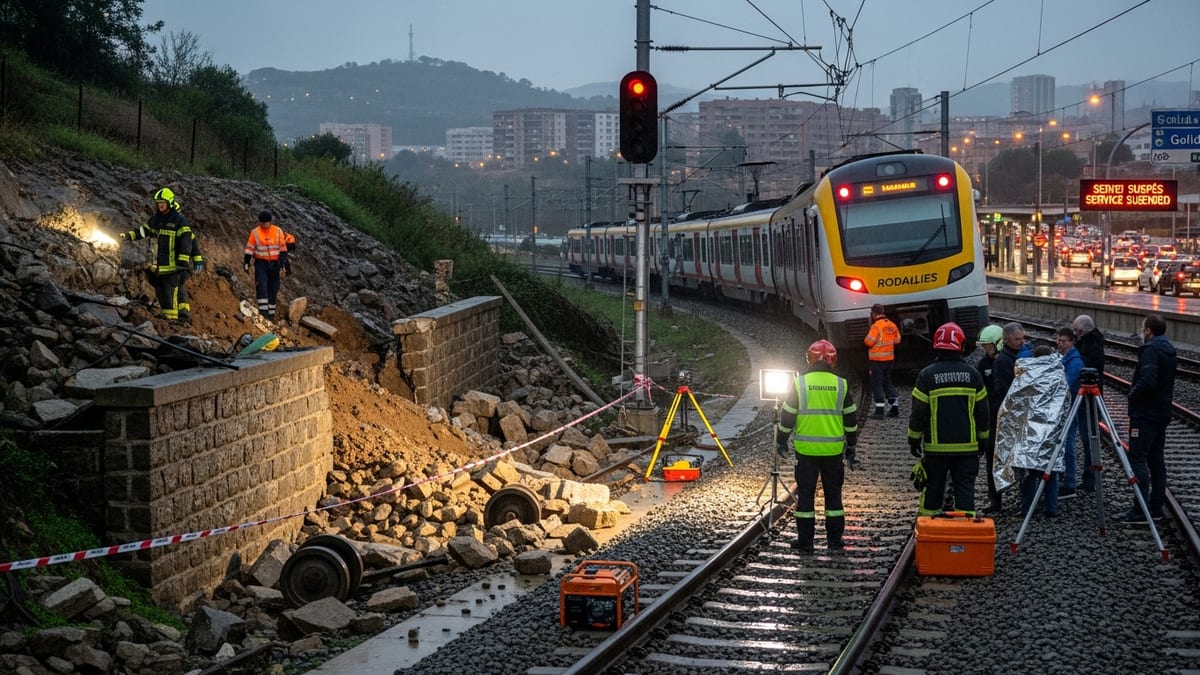
Derailment near Neshaminy Falls halts rail corridor
Initial reports indicate that between five and ten freight cars left the tracks in an area north of Philadelphia between Street Road and the Neshaminy Falls station in Bensalem Township. Images from the scene show several cars tipped or jackknifed along a curved section of track close to residential neighborhoods and local roadways.
The incident occurred along a line used heavily by freight carriers and adjacent to routes familiar to regional rail commuters. Passenger services were not reported among the derailed equipment, but the freight disruption immediately affected train movements through the corridor and created uncertainty for travelers dependent on nearby rail links.
Local emergency notifications advised people within the immediate vicinity of the derailment to remain indoors while crews assessed potential hazards from the train’s mixed freight consist. The alert covered a densely developed pocket of Bucks County where rail lines run close to homes, small businesses, and local roads leading toward major arteries into Philadelphia.
As of late afternoon, publicly available information pointed to an ongoing response, with rail traffic paused around the scene and no official timeline released for when full operations might resume.
Shelter in place alert raises hazardous cargo questions
The decision to urge residents to shelter in place reflects concern that one or more railcars could be carrying materials that might pose a risk if released. Early descriptions of the train include tank cars and boxcars, a common combination on mixed freight trains that can include fuels, industrial chemicals, consumer products, and bulk commodities.
Emergency response protocols in Pennsylvania call for a cautious approach when a derailment involves tank cars or when manifests are still being confirmed. A temporary request that people stay indoors, close windows, and avoid the immediate area is considered a standard precaution until responders are confident that no leak or airborne hazard is present.
Published coverage of similar incidents across the United States shows that many derailments involving hazardous materials end without injuries or long term environmental impacts, but the initial hours are often marked by road closures, travel disruption, and anxiety among nearby residents. The Bensalem derailment follows a series of high profile rail incidents nationwide that have drawn attention to the risks of hazardous cargo moving through populated areas.
For travelers and commuters in the region, the shelter in place request underscores how quickly a freight event can affect everyday mobility, even when no passenger trains are directly involved.
Impact on local travel and regional connectivity
The derailment’s location near Street Road and the Neshaminy Falls station places it along a key approach to northeastern suburbs and to major highways serving Philadelphia and New Jersey. While the tracks themselves carry freight, road closures around the scene and the presence of response vehicles have slowed traffic on nearby streets that feed into larger commuter routes.
Drivers in the Bensalem and Feasterville area face potential detours and congestion as rail and roadway crossings are temporarily blocked. Local media reports describe police and fire apparatus staged along several access points to the tracks, reducing available lanes for through traffic and limiting parking near residential blocks close to the derailment.
Regional rail users who connect through stations near the affected corridor are watching for possible schedule changes or delays if freight congestion backs up along the line. Even when passenger trains operate on separate tracks, shared junctions and signal systems can create ripple effects that extend far beyond the immediate scene.
Travelers heading between Philadelphia, Bucks County, and points north are being advised by broadcast and online outlets to monitor traffic updates, allow extra time, and avoid curiosity travel into neighborhoods surrounding the derailment, both for safety reasons and to keep access clear for emergency crews.
Community unease amid broader rail safety concerns
The Bensalem derailment arrives during a period of heightened public attention to freight rail safety in the United States. Earlier derailments involving hazardous cargo in other states have prompted calls for tighter regulations, improved track maintenance, and more transparent disclosure of what travels through residential corridors.
Residents in rail communities often express frustration at learning about hazardous shipments only when an incident occurs nearby. The shelter in place message issued in Bensalem highlights this tension, as neighborhoods that rely on the convenience of nearby rail and road links also shoulder the risks that accompany heavy freight traffic.
Publicly available information about this derailment has so far centered on immediate safety, with few early details about the train’s exact cargo, ownership, or inspection history. Investigations in comparable events typically look at track conditions, weather, train speed, and mechanical factors such as wheel or brake performance, any of which can play a role when cars leave the rails.
For now, residents and travelers across the region are watching for updates on both the status of the shelter in place guidance and any confirmation of environmental impacts, knowing that the outcome may influence future discussions over rail operations, zoning, and emergency preparedness along this busy corridor.
What travelers should know in the hours ahead
In the short term, anyone planning to travel through Bensalem and neighboring communities is being encouraged by regional outlets to stay informed through local news and municipal alerts. Because conditions at derailment scenes can change quickly, detours may expand or shrink as crews secure the site and heavy equipment arrives to rerail or remove damaged cars.
Travelers passing through Bucks County by car may wish to favor larger highways and interstates rather than local cut through streets that parallel the tracks. Navigation apps and real time traffic feeds can help avoid secondary congestion created when multiple neighborhood routes are simultaneously affected by closures and emergency staging.
Rail passengers using regional services that operate anywhere near Bensalem should check for service advisories before departing for stations, particularly for late afternoon and evening trips. While no long term suspensions have been publicly announced, even minor schedule shifts can have knock on effects for connections with intercity trains and flights from Philadelphia International Airport.
For residents within the shelter in place zone, guidance typically emphasizes staying indoors, keeping doors and windows closed, and waiting for updated instructions before resuming outdoor activity. As more information emerges about the condition of the derailed cars and any potential leaks, the alert may be narrowed or lifted, clearing the way for gradual normalization of travel through this heavily used suburban corridor.