


More news on this day
London Gatwick has emerged as the UK’s worst airport for summer travel disruption, with recent rankings highlighting persistent delays and cancellations that are set to affect millions of passengers in the peak holiday months.
Get the latest news straight to your inbox!
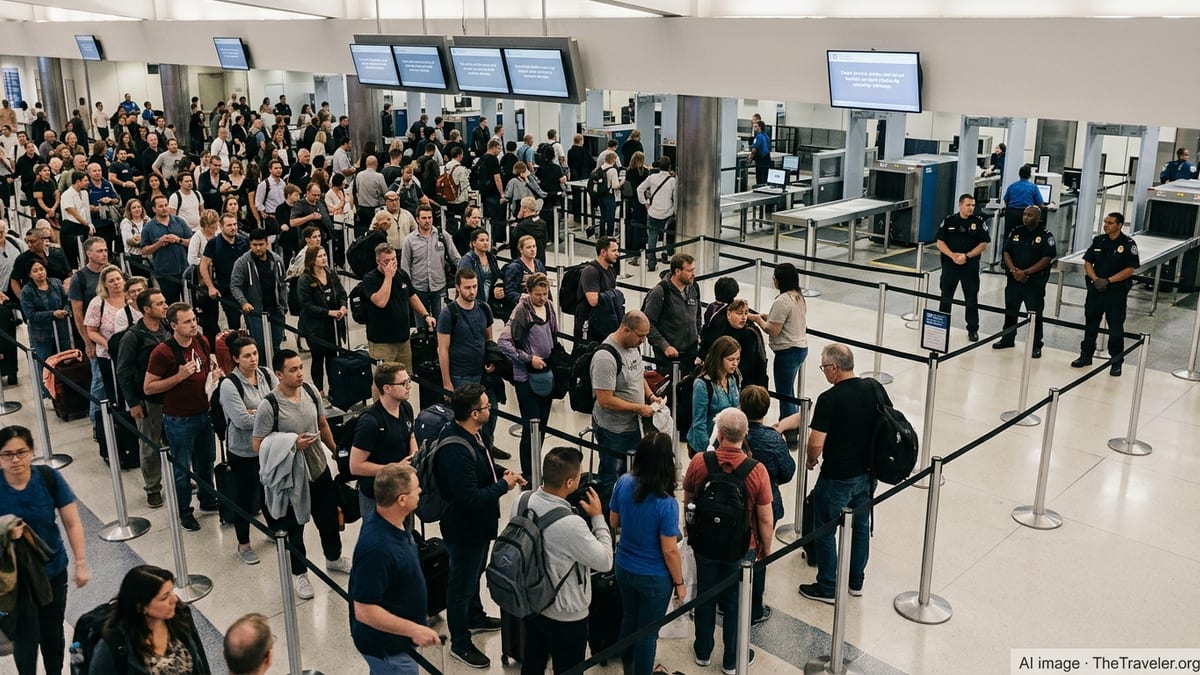
New rankings spotlight Gatwick’s troubled summer record
Fresh analysis of Civil Aviation Authority data and independent aviation performance studies indicates that Gatwick again tops UK rankings for disruption during the core summer period from June to August. Comparative data for recent years shows the airport consistently recording some of the longest average delays among major British hubs, alongside elevated levels of schedule changes.
One recent study of UK airports drawing on several summers of performance data places Gatwick at the top of a “most stressful airports” list for seasonal disruption, citing a combination of long average departure delays and a high volume of affected passengers. The research highlights that even as average delay times have eased slightly since 2023, Gatwick still experiences significantly more disruption than rival UK airports in the busy holiday months.
Separate coverage of nationwide punctuality figures for 2024 also finds Gatwick at or near the bottom of UK league tables for on-time performance. While overall delays have fallen modestly since 2023, reports describe the airport’s summer schedule as particularly vulnerable to knock-on effects when problems occur early in the day.
These findings come as overall UK air travel demand remains strong, with passenger numbers close to or above pre-pandemic levels, increasing pressure on airports that already operate close to capacity.
Single-runway capacity and air traffic control pressures
A key factor repeatedly identified in public reports is Gatwick’s unique operational profile. It is one of the world’s busiest single-runway commercial airports, handling hundreds of thousands of aircraft movements each year on a tightly constrained airfield. Analysts note that such concentration means relatively minor issues can quickly escalate into prolonged queues and missed slots during peak summer hours.
Eurocontrol performance reviews and UK media coverage have highlighted air traffic flow management restrictions affecting flights to and from Gatwick, particularly during the summer season. European network reports point to en route capacity constraints and staffing challenges in parts of the continent, which can disrupt the first wave of departures from Gatwick and trigger reactionary delays throughout the day.
Previous summers have also seen specific air traffic control staffing shortages at Gatwick’s own tower. Broadcasters and travel outlets have reported periods when a lack of available controllers forced strict caps on movements, leading to cancellations and extended waits for passengers. Although investment in additional controllers has been documented since 2023, analysts indicate that resilience remains a concern heading into another busy summer.
Together, these structural and staffing pressures make Gatwick particularly exposed when wider European airspace issues, severe weather or technical problems arise during the peak holiday season.
EasyJet concentration and knock-on impact for leisure routes
Gatwick serves as a major base for low-cost and leisure-focused airlines, with easyJet operating a large share of the airport’s summer traffic. When disruption occurs at Gatwick, it therefore tends to affect popular holiday routes to destinations across Europe, amplifying the impact on families and seasonal travellers.
In previous summers, easyJet has preemptively cancelled large numbers of flights from Gatwick in response to anticipated air traffic control constraints and congestion in European skies. Travel media reports describe these moves as attempts to “consolidate” schedules in order to reduce last-minute disruption, but the cancellations have still left tens of thousands of passengers needing to be rebooked or rerouted at short notice.
Insurance and consumer advice platforms note that Gatwick’s role as a mass-market leisure hub means that any wave of cancellations or extended delays is quickly felt in traditional holiday destinations. Package operators, regional airports at the other end of the route and local tourism businesses can all experience knock-on effects when large volumes of Gatwick-originating flights are disrupted at the height of summer.
This concentration of short-haul, high-demand holiday traffic is one of the reasons analysts frequently single out Gatwick in seasonal disruption rankings, even when average delay minutes are only a few higher than other major UK airports.
Wider UK context and how other airports compare
Despite its top position in many disruption rankings, Gatwick is far from the only UK airport to experience a difficult summer. Government data and industry reviews show that several regional hubs, including Bournemouth, Exeter and others, also record notable delay or cancellation rates during peak months, even if total passenger numbers are smaller.
Some studies underline that while Gatwick posts the longest average delays, the difference between the best and worst performing major UK airports can amount to only around ten minutes. For travellers on tightly timed connections or package itineraries, however, that margin can be enough to miss onward journeys or lose the first day of a holiday.
Regional airports such as Belfast City and Aberdeen have, in some analyses, recorded higher cancellation percentages than Gatwick, reflecting the vulnerability of thinner route networks when aircraft or crews are out of position. Nevertheless, these hubs typically handle fewer passengers than Gatwick, so the absolute number of affected travellers remains lower.
Observers indicate that the UK system as a whole is under sustained pressure from strong demand, complex European airspace issues and periodic weather or technical shocks. Within that landscape, Gatwick’s operating model and traffic mix place it at the forefront of any summer disruption league table.
What summer 2026 could look like for passengers
With the 2026 peak season approaching, publicly available information from Gatwick and recent performance reports suggest that the airport has taken steps to improve resilience, including recruiting additional controllers and refining schedules with airlines. Financial statements from recent years refer to efforts to strengthen on-time performance and resource planning ahead of the summer months.
At the same time, recent European network assessments warn that air traffic control capacity, staffing and weather-related constraints are likely to continue affecting busy routes across the continent. As a major gateway to European leisure destinations, Gatwick remains highly exposed to any bottlenecks that develop beyond UK airspace.
Consumer organisations and travel insurers advise passengers using Gatwick in June, July and August to build in extra time, monitor flight status closely and ensure they understand their rights in the event of delays or cancellations. Flexible bookings, earlier departures and comprehensive travel insurance are among the measures recommended to minimise the impact of disruption.
While industry observers note some gradual improvement in punctuality metrics compared with earlier post-pandemic summers, the latest rankings indicate that Gatwick is likely to retain its reputation as the UK’s most disruption-prone major airport during the busiest months of the travel year.