


More news on this day
International visitors are once again reshaping the tourism landscape across the United States, bringing billions of dollars in spending that support local jobs, tax revenues and community development from major gateway cities to rural destinations.
Get the latest news straight to your inbox!
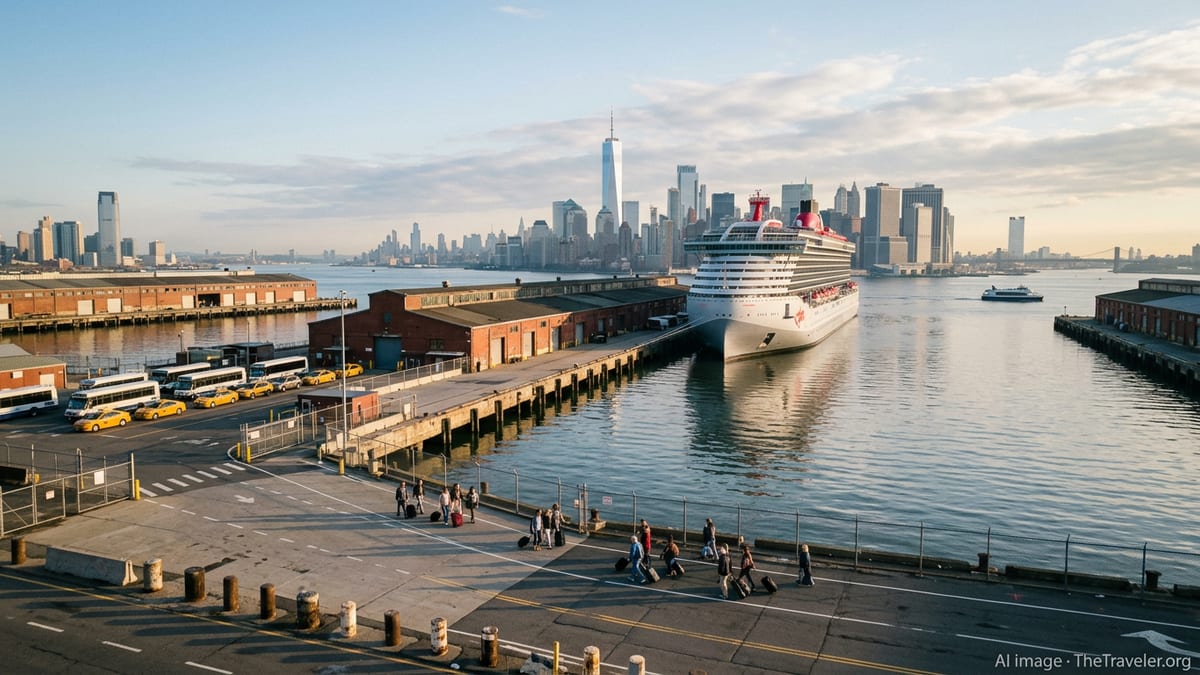
Inbound Travel Rebound Strengthens the U.S. Economy
Public data from U.S. government and industry sources show that international tourism has reemerged as a critical engine for the national economy. The National Travel and Tourism Office reports that the United States welcomed more than 66 million international visitors in 2023, while their spending in the country reached roughly 213 billion dollars, making travel one of America’s largest service exports by value.
Travel industry analyses for 2024 indicate that overall U.S. travel spending surpassed 1.3 trillion dollars, with international inbound visitors contributing a substantial share of that total. Travel and tourism’s wider economic footprint, including indirect and induced effects, has been estimated in the trillions of dollars, underlining the sector’s role in supporting millions of jobs across hospitality, transportation, retail and cultural attractions.
Research compiled by global tourism organizations describes the United States as one of the world’s most powerful travel markets, with the sector’s economic contribution already exceeding pre-pandemic levels in several measures. While domestic travel remains the largest component, inbound tourism is widely viewed as a high-value segment because international visitors stay longer on average and spend more per trip than many domestic travelers.
Despite this strong performance, sector forecasts suggest that there is still headroom for growth as international visitation continues to climb back toward, and in some cases beyond, 2019 benchmarks. That dynamic is focusing attention on how global visitors are not only injecting spending into the economy but also helping shape how destinations plan for the future.
International Visitors as Economic Multipliers in Communities
International visitors are increasingly recognized as economic multipliers whose spending flows far beyond hotel bills and attraction tickets. Federal and industry reports note that travel exports from inbound visitors support employment in sectors ranging from restaurants and transportation services to arts venues and retail outlets, and generate billions in federal, state and local tax revenue each year.
New state-level impact assessments released in 2024 by federal agencies detail how overseas visitation contributes to local economies in every region. These analyses highlight that even modest increases in international arrivals can translate into sizeable gains in visitor spending, particularly in states that have successfully diversified their tourism offerings beyond traditional urban gateways to include nature, culinary experiences and cultural heritage tourism.
Industry research has also drawn attention to the outsized impact of long-haul visitors arriving by air. Studies modeling typical spending patterns show that each full long-haul flight of inbound travelers can sustain a significant number of local jobs annually when repeat operations are taken into account. This perspective is influencing strategies around air service development, airport infrastructure investments and collaborative marketing between airlines and destinations.
In many communities, tourism has become a central pillar of economic diversification efforts. Programs that connect international visitors with small businesses, outdoor recreation providers and minority-owned enterprises are increasingly integrated into local development plans, with the goal of spreading visitor spending more evenly and making tourism growth more inclusive.
Brand USA and Destination Marketers Target High-Value Audiences
National and local destination marketers are intensifying campaigns designed to attract higher-spending international visitors and lengthen their stays. Brand USA, the public-private organization tasked with promoting the country abroad, has continued to roll out global initiatives in 2024 that highlight the breadth of U.S. travel experiences, linking major events, cultural moments and geographic diversity into integrated storytelling.
Recent global marketing programs have focused on key source markets where interest in the United States is rebounding rapidly. Campaigns tailored for audiences in regions such as Latin America, Europe and Asia have spotlighted everything from professional sports and music scenes to national parks and road trips, aiming to convert general awareness into concrete travel plans and multi-destination itineraries.
In parallel, destination marketing organizations in cities and states are leveraging partnerships with travel platforms, airlines and media outlets to reach international audiences more efficiently. These collaborations often combine inspirational content with practical tools for planning and booking, helping potential visitors move quickly from aspiration to confirmed travel.
The push toward more targeted marketing is driven partly by evolving traveler behavior. Market intelligence surveys show that global visitors are increasingly motivated by personal passions, such as food, culture, sports and outdoor activities, rather than by broad destination brands alone. U.S. marketers are responding with themed campaigns that connect these interests to specific regions and experiences across the country.
Global Visitors as Storytellers and Informal Ambassadors
Beyond direct spending, international visitors are exerting growing influence as informal ambassadors for American destinations. Travel research consistently finds that word-of-mouth recommendations, social media posts and user-generated content are among the most trusted sources of information for prospective travelers, often outweighing traditional advertising.
As visitors explore U.S. cities, small towns and natural landscapes, they share photos, travel diaries and reviews that circulate widely in their home markets. Tourism boards increasingly track this organic content as an indicator of destination appeal and as a tool for understanding how visitors perceive local experiences, from hospitality and safety to accessibility and cultural authenticity.
Some national and local campaigns now explicitly encourage visitors to document and share their journeys, positioning them as storytellers who can introduce lesser-known regions to global audiences. This approach is seen in collaborations with content creators and in destination-produced itineraries designed to be easily captured and shared online, amplifying reach far beyond paid media budgets.
The ambassador effect can be especially powerful for communities that are still emerging on the international tourism map. Positive stories and images shared by early adopters can help destinations build reputation quickly, while constructive feedback offers insight into areas where services, infrastructure or visitor information can be improved to meet global expectations.
Balancing Growth With Sustainability and Local Benefits
As inbound tourism grows, policy discussions are increasingly focused on how to manage that expansion in ways that are sustainable and broadly beneficial. National policy reviews and sector strategy documents emphasize the need to improve infrastructure, streamline entry processes and enhance accessibility for all visitors while safeguarding natural and cultural resources.
Several federal initiatives have directed funding toward improving visitor facilities on public lands, supporting outdoor recreation economies in rural regions and expanding accessibility in parks and heritage sites. These steps are intended to distribute visitor flows more evenly, reduce pressure on heavily visited areas and open new economic opportunities for smaller communities.
At the destination level, planners are experimenting with measures to encourage off-peak and off-the-beaten-path travel, from adjusting event calendars to promoting secondary cities and regions in international campaigns. Stakeholders increasingly view international visitors not only as consumers but as potential partners in conservation and community development when experiences are structured around responsible travel principles.
Sector analysts note that maintaining America’s competitiveness as a global destination will depend on aligning growth with quality of experience. That includes reliable transportation, efficient entry procedures, diverse and inclusive storytelling, and opportunities for deeper engagement with local cultures. If achieved, the continuing rise of international visitors could reinforce a cycle in which satisfied travelers return home as advocates, draw new visitors, and help sustain tourism-driven prosperity across the United States.