


More news on this day
Grand Canyon and Yellowstone are emerging as headline acts in a growing push to position North America as a premier long-haul destination for 2027, with new itineraries, signature industry events and experience-led products signalling a bolder, more collaborative approach to the continent’s great outdoors.
Get the latest news straight to your inbox!
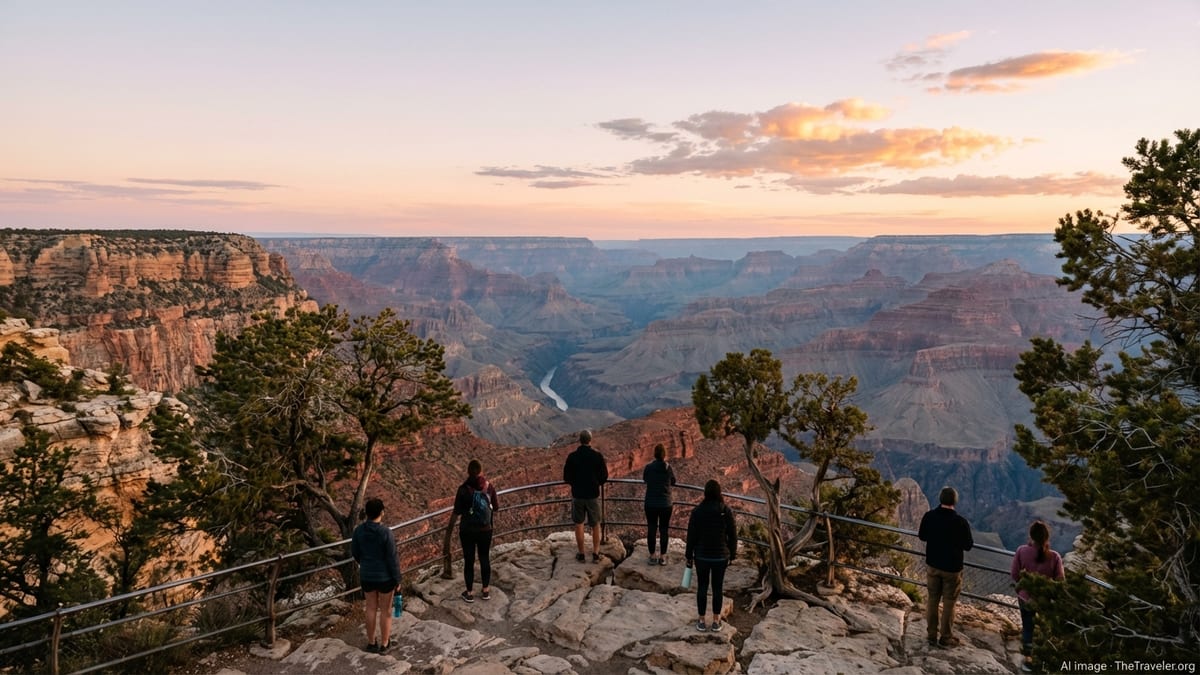
National Parks Move to the Center of 2027 Travel Plans
Publicly available visitation data show that interest in United States national parks remains robust, with hundreds of millions of recreation visits recorded in 2025 and strong demand for overnight stays continuing into 2026. Against this backdrop, major parks such as Grand Canyon and Yellowstone are increasingly being framed as anchor destinations for longer, multi-park journeys that keep travelers closer to home while still delivering bucket-list experiences.
Planning documents for Grand Canyon indicate that the park is preparing for tens of millions of visitors over the coming decade, tying its future strategy to both crowd management and deeper storytelling around geology, Indigenous heritage and conservation. At the same time, Yellowstone continues to refine seasonal access, including snowcoach and snowmobile operations in winter and ongoing road improvement projects, in order to support the next wave of year-round visitation.
Industry analysis suggests that North American travelers are prioritizing outdoor destinations such as national parks, glamping hubs and remote nature lodges, reinforcing the role of these protected landscapes as the backbone of 2027 holiday planning. As a result, parks are no longer seen simply as day-trip stops, but as core elements in itineraries that combine wildlife encounters, dark-sky stargazing and cultural interpretation.
With advance trip planning now stretching into 2027 for many households, online forums and tour operators alike are reporting increased interest in extended road trips that link Grand Canyon, Yellowstone, Utah’s canyon country and the Rocky Mountains into a single, multi-state journey.
Yellowstone Showcases Immersive, Wildlife-Focused Experiences
In Yellowstone, nonprofit partners and concessioners are expanding wildlife and education-focused offerings that align closely with the growing demand for “ultimate” nature experiences. Yellowstone Forever, the park’s official education and fundraising partner, is promoting multi-day Winter Wolf Weeks in the Lamar Valley for the 2026 to 2027 season, designed to give participants guided opportunities to observe wolves in snowy conditions along with in-depth learning on predator ecology and winter ecosystems.
Yellowstone lodges and packages are also looking ahead to 2027, with spring itinerary frameworks that pair guided field programs with lodging in and around key wildlife corridors. Available information indicates that upcoming packages will continue to emphasize small-group guiding, naturalist interpretation and shoulder-season travel, responding to travelers who want fewer crowds and better chances of seeing bears, bison and birdlife.
Tour operators are adding to this momentum. Premium tour company Tauck has opened bookings for its 2027 North America portfolio, including new itineraries that thread Yellowstone together with nearby parks and gateway communities. The company’s announced experiences include stargazing sessions, private guided walks through canyon landscapes and stays in tented or glass-domed accommodations near the parks, positioning Yellowstone as the experiential centerpiece of wider journeys across the American West.
These developments underline a broader shift from simple sightseeing toward curated, story-driven adventures in Yellowstone, where travelers are encouraged to see the park not only as a scenic backdrop but as a living classroom for geology, climate and wildlife conservation.
Grand Canyon Eyes Year-Round Appeal and Deeper Storytelling
While Yellowstone leans into wildlife and geothermal drama, Grand Canyon is honing its identity as both a geological icon and a cultural crossroads. Planning materials and recent discussions at the county level point to efforts to stabilize tourism, improve emergency access and, in some areas, reimagine visitor infrastructure following wildfire impacts. These conversations are helping to inform how the North Rim and surrounding communities might evolve into more resilient, potentially more year-round destinations by 2027.
Grand Canyon Conservancy continues to support projects that elevate tribal stories and visitor education at key locations such as Desert View, where long-term plans focus on celebrating the histories and contemporary cultures of the tribes connected to the canyon. Publicly available information describes an ambition to shift this area into a space that foregrounds Indigenous perspectives, aligning with traveler interest in authentic cultural encounters alongside classic viewpoints and hiking routes.
Industry observers note that as travelers plan further ahead, there is growing appetite for itineraries that combine Grand Canyon with other “big sky” experiences, such as dark-sky star parties, guided river trips and photography workshops across Arizona and neighboring states. For 2027, this positions the canyon not only as a standalone wonder, but also as a gateway to a broader circuit of desert parks, Indigenous-led cultural tours and lesser-known overlooks beyond the main South Rim corridor.
These trends are encouraging tour designers to link Grand Canyon with Yellowstone, Zion, Bryce Canyon and the wider Four Corners region, creating extended loops that offer visitors a layered narrative of North American geology, from volcanic plateaus to sculpted sandstone and thousand-meter chasms.
Tour Operators Build 2027 Portfolios Around Signature Landscapes
North American landscapes are also taking center stage in the portfolios of high-end tour operators preparing for the 2027 season. Tauck’s 2027 North America lineup, for example, features 36 itineraries, with new journeys dedicated to Yellowstone, Bryce Canyon and Zion National Park. Reports on the program highlight hands-on experiences, including guided canyon walks, horsemanship encounters and stargazing sessions, along with distinctive stays in glass-domed and safari-style accommodations just outside park boundaries.
The company is also expanding its family-focused Bridges collection, aligning with broader travel trends that show multigenerational groups seeking immersive learning experiences that are still logistically manageable. In this context, Grand Canyon and Yellowstone anchor road-based routes that integrate national parks with surrounding small towns, Indigenous communities and creative food scenes in gateway cities such as Salt Lake City, Phoenix and Denver.
Other industry events are reinforcing the North America focus. B2B gatherings such as Journeys North America 2027 and Destination Canada’s Rendez-vous Canada 2027, set for Calgary, are expected to spotlight products built around mountain parks, winter adventures and Indigenous tourism. With easy access to multiple UNESCO World Heritage Sites from Alberta and nearby provinces, Canadian destinations are preparing to pitch themselves alongside United States icons as part of a single, cross-border nature circuit.
For travelers, these developments translate into more curated choices that combine logistics, interpretation and comfort, reducing the friction of visiting remote locations while preserving a sense of adventure. For destinations, they offer a way to disperse demand across seasons and regions, potentially easing peak-season pressure on marquee viewpoints and trails.
Meaningful Travel, Sustainability and Community at the Forefront
Parallel to the expansion of high-profile itineraries, a rising emphasis on meaningful and responsible travel is shaping how Grand Canyon, Yellowstone and other North American destinations present themselves for 2027. Industry organizations such as Tourism Cares are using summits and workshops to encourage travel companies to embed sustainability, community impact and cultural preservation into product design, with a focus on authentic local partnerships and long-term stewardship.
Destination Canada and regional tourism bodies in the United States are similarly highlighting winter, rural and Indigenous experiences as priorities for new investment and marketing. Public statements around Rendez-vous Canada 2027 emphasize the opportunity to showcase how mountain, prairie and Indigenous communities can benefit from tourism while maintaining control over storytelling and visitor flows.
Within this framework, national parks function as high-visibility stages for new approaches to visitor education, from tribal heritage centers and community-led tours to dark-sky programming that connects astronomy with environmental awareness. Grand Canyon and Yellowstone are increasingly referenced as examples of places where conservation messaging, Indigenous perspectives and visitor enjoyment can intersect.
As booking windows for 2027 open and major campaigns ramp up, travelers looking for “ultimate” experiences in North America are being encouraged to think beyond individual viewpoints and social media moments. Instead, the emerging narrative positions Grand Canyon, Yellowstone and a constellation of surrounding destinations as a connected network of landscapes and communities, inviting visitors to slow down, stay longer and engage more deeply with the continent’s natural and cultural stories.