


More news on this day
Flights at London Heathrow faced significant disruption after a grass fire near the airport’s southern runway forced a temporary halt to operations, diverting aircraft and leaving departing passengers facing extended delays.
Get the latest news straight to your inbox!
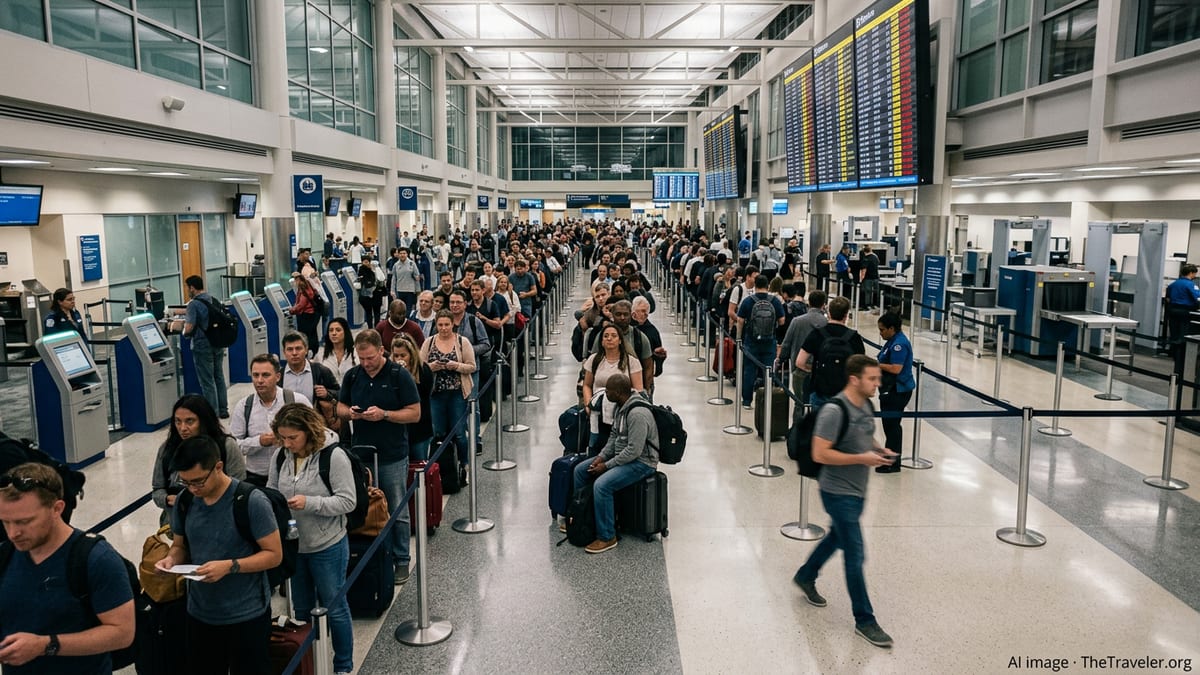
Grass fire near southern runway halts operations
Reports from aviation tracking platforms and passenger accounts indicate that the disruption began on the evening of 6 August, when smoke was spotted at the western end of Heathrow’s southern runway. Airfield vehicles and fire crews were seen moving into position, and departures were paused while the affected area was secured.
Publicly available information suggests the blaze started in a strip of dry grass adjacent to the runway, in conditions that have left much of south‑east England parched after weeks of limited rainfall. Witnesses posting on social media described a line of flames running along the grass verge and a build‑up of aircraft waiting on taxiways as emergency teams responded.
While there has been no official detailed technical bulletin about the incident, aviation enthusiasts following live radar feeds reported that Heathrow stopped using the southern runway for arrivals and departures for more than two hours, switching the airport to single‑runway operations on the northern strip. During that period, several inbound flights diverted to other UK airports and to continental hubs, adding further complexity for airlines already operating close to peak summer capacity.
The grass fire itself was contained relatively quickly, according to these reports, but safety checks on pavement, lighting and adjacent infrastructure are understood to have prolonged the closure of part of the runway environment, keeping traffic management in a reduced mode into the late evening.
Single‑runway operations trigger cascading delays
Heathrow normally relies on the flexibility of two parallel runways to handle what is often described as one of the most tightly scheduled arrival and departure programs in the world. With one runway effectively out of service, published flight data show that the airport moved to a simplified pattern, using the remaining runway for both landings and take‑offs.
This shift immediately constrained capacity. Aircraft already in holding stacks above London had to be sequenced more conservatively, extending flight times and burning additional fuel. Some carriers opted to divert aircraft to Manchester, Birmingham, Luton and even Paris rather than risk lengthy airborne holding periods or running close to crew duty limits.
On the ground, the impact rippled across terminal operations. Departures waiting for take‑off slots remained at the gate or on remote stands for longer than scheduled, slowing turnaround times and pushing back subsequent rotations. For many travellers this translated into missed connections, late‑night arrivals and, in some cases, overnight rebooking as aircraft and crews fell out of position.
By late evening, tracking services showed Heathrow gradually recovering throughput on the remaining runway, but with knock‑on delays visible well into the following day’s operation as aircraft and crews returned to their planned locations.
Dry weather and wildlife control under scrutiny
The incident has drawn attention to how extreme dryness around airfields can magnify relatively minor ignition sources into operationally significant events. Publicly accessible environmental and safety documents from Heathrow have previously highlighted the growing risk of increased fire incidents in hotter, drier summers, particularly in grassed areas bordering active pavements.
Aviation discussion forums have focused on the apparent role of wildlife control methods in the Heathrow grass fire. Some contributors, referencing airfield practices, pointed to the use of blank cartridges to scare birds away from the runway as a possible ignition source if hot residue lands in tinder‑dry grass. Others have suggested alternative explanations, including sparks or hot fragments from aircraft or ground vehicles operating in close proximity to vegetation.
There has been no definitive official account confirming the precise cause, but the episode has renewed debate about how airports adapt long‑standing wildlife management techniques to more volatile weather patterns. Industry specialists note that many airfields are reviewing vegetation management, including mowing regimes and the creation of firebreaks, to limit the spread of any blaze that might start near movement areas.
The Heathrow grass fire also sits within a broader pattern of weather‑related vulnerabilities. Across Europe, airports have recently faced runway closures and diversions because of thunderstorms, heat‑related pavement issues and sudden visibility changes, underlining how environmental conditions can quickly translate into passenger disruption.
Passenger experience: diversions, queues and missed connections
For travellers, the technical details of runway operations mattered less than the immediate consequences. Social media posts from the evening of the incident describe packed departure lounges, long lines at customer service desks and uncertainty about whether flights would depart that night or be rescheduled.
Passengers on some long‑haul and European services reported unplanned arrivals at alternative airports, including regional UK gateways and at least one diversion to a major European hub. Those who had onward connections from Heathrow, particularly to long‑haul destinations, faced rebooking challenges as already busy summer services struggled to absorb the additional demand.
Within Heathrow’s terminals, the temporary closure added pressure to facilities already working at near‑peak levels for the holiday season. Travellers described limited available seating around departure gates and difficulty obtaining up‑to‑date information as airlines recalculated estimated departure times in real time. Some carriers sent out rolling notification messages warning of likely delays even before official departure estimates were updated on display boards.
Despite the disruption, there were also reports of ground staff attempting to prioritise vulnerable passengers, such as families with young children and those with reduced mobility, for earlier rebooking or accommodation support where overnight stays became necessary. However, as with many irregular operations events at large hubs, consistency of information and support appeared to vary between airlines and terminals.
What the disruption means for future Heathrow resilience
The grassfire‑related closure is the latest reminder of the operational fine balance at Europe’s busiest hub. Previous disruptions at or near Heathrow, including a 2025 electrical substation fire that temporarily shut the airport, have already prompted discussions about resilience in the face of external shocks.
Aviation analysts note that when a hub runs close to maximum scheduled capacity, any temporary loss of infrastructure, whether from technical faults, weather or localised incidents such as a grass fire, can rapidly cascade into widespread schedule disruption. The move to single‑runway operations in this case underlines how even short‑lived incidents around the airfield can have outsize effects on passengers and airlines.
Industry observers expect the incident to feed into ongoing reviews of Heathrow’s emergency planning, vegetation management and wildlife control procedures, as well as discussions about how much buffer should be built into peak‑season schedules. Some commentators argue that more flexibility, such as slightly lower planned runway utilisation or additional standby aircraft and crew, could reduce the risk of knock‑on delays when unexpected events occur.
For travellers, the episode serves as another illustration of how factors far beyond the aircraft door can shape a journey. As summers become hotter and drier and air traffic continues to recover, operational resilience at major hubs like Heathrow is likely to remain a central concern for the aviation and travel sectors.