


More news on this day
American travelers heading to Spain in mid-November are being urged to review their plans after a U.S. Embassy alert warned that a nationwide general strike on November 11 could halt much of the country’s transport network and leave visitors temporarily stranded.
Get the latest news straight to your inbox!
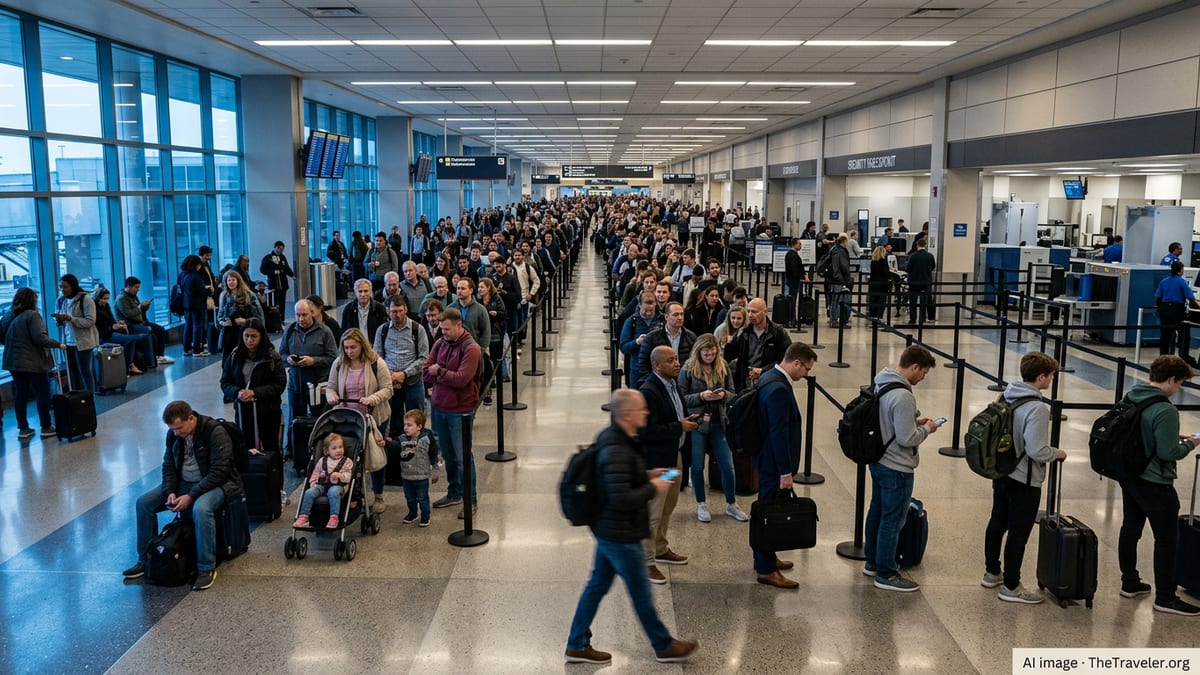
General strike set to hit Spain on November 11
Publicly available information from the U.S. Department of State’s travel channels indicates that a general strike is scheduled across Spain on Wednesday, November 11, 2026, with unions calling out workers in multiple sectors, including transportation and hospitality. The alert notes that demonstrations and labor actions are expected in major cities and smaller communities throughout the country.
According to recent U.S. Embassy communications amplified by the State Department’s @TravelGov account, the strike is planned to affect services nationwide rather than being limited to a single city or region. Spanish and European media coverage describes the action as a coordinated protest over economic and labor conditions, timed to maximize visibility by targeting midweek commuter and travel flows.
Travel-focused monitoring services and European government advisories report that the strike is expected to reduce public transport to legally mandated “minimum services,” with many routes operating at sharply reduced frequency or being suspended outright. Travelers arriving in Spain on or just before November 11 may find that onward rail or bus options are limited or sold out.
While the action is officially scheduled for a single day, regional notices in Spain and neighboring countries caution that related protests and localized stoppages could continue before or after November 11, raising the risk of rolling disruption around that date.
Risks of Americans becoming stranded
State Department alerts and European civil-contingency briefings highlight that the most immediate risk for American travelers is being unable to move between Spanish cities or reach and depart key gateways such as Madrid, Barcelona, Valencia and Seville. With trains, metro services and intercity buses curtailed, some visitors could find themselves unable to get to the airport or cruise port in time for scheduled departures.
The U.S. government’s standing guidance on crisis response abroad emphasizes that embassy staff generally cannot provide routine in-country transportation, even during large-scale disruptions. This means that Americans who misjudge the impact of the strike may have limited options beyond rebooking commercial services, arranging private transport where available, or waiting until normal operations resume.
European safety agencies also warn that large demonstrations, road blockades and picket lines may appear with limited notice in city centers and around transport hubs. Such actions can temporarily close metro stations, surround train terminals or slow vehicle traffic on key approach roads, adding another layer of uncertainty for travelers trying to make tight connections.
Accommodation pressure is another concern. If trains and flights are canceled or heavily delayed on November 11, hotels near airports and central stations in major Spanish cities could fill quickly with stranded passengers, leaving late-arriving travelers with fewer lodging choices and higher last-minute prices.
Expected impact on flights, trains and local transport
According to published coverage by European travel news outlets, Spain’s rail network is expected to be one of the sectors most visibly affected, with national rail operator services likely reduced to skeleton timetables on many lines. In previous general strikes, rail authorities have been required to operate only a fraction of normal services, concentrating limited trains in peak hours and on key corridors.
Urban transport operators in Madrid and Barcelona are also expected to scale back operations significantly during the strike period. Past industrial actions in these cities have resulted in metro and bus lines running at reduced intervals, with some routes suspended entirely for several hours at a time. Travelers relying on public transport to reach cultural sites, business meetings or connecting stations on November 11 may face long waits and crowded vehicles.
The U.S. Embassy alert and subsequent reporting note that air travel could be indirectly affected even if airports remain open. Striking ground staff, air traffic control slowdowns, or reduced public transport to airports can lead carriers to consolidate or cancel flights. Recent embassy messaging advises travelers to monitor their flight status closely and allow additional time to reach departure terminals, especially at Madrid Barajas and Barcelona El Prat.
Taxi and ride-hail availability may be uneven. During earlier European strikes, spikes in demand and traffic restrictions around protest routes have led to long waits and higher prices for private transfers, particularly in central districts and near major landmarks.
How travelers can reduce disruption risk
Current U.S. consular guidance encourages Americans planning to be in Spain around November 11 to enroll in the Smart Traveler Enrollment Program so they can receive updated alerts by email. Enrollment also makes it easier for consular staff to contact U.S. citizens in the event of prolonged disruption or localized incidents.
Travel advisories and European government notices recommend that visitors with critical connections, such as transatlantic flights or cruises, consider arriving in their departure city at least one day before the strike, or rebooking time-sensitive legs for dates that do not fall on November 11. Travelers already in Spain may wish to move between regions ahead of the strike date rather than relying on same-day connections.
Travel industry analysis suggests that travelers should confirm all bookings directly with airlines, rail companies, bus operators and hotels in the days leading up to November 11. Some carriers may offer voluntary rebooking options or flexible change policies for journeys scheduled on the strike date, though conditions vary by operator and fare type.
Public information from crisis-preparedness agencies across Europe also highlights the importance of maintaining a basic contingency plan, including having sufficient funds for additional hotel nights, local taxis or last-minute ticket changes. Travelers are advised to keep mobile devices charged, retain printed or downloaded copies of booking confirmations, and monitor local news and official channels for updates on demonstrations and transport status.
Broader context of European protests and travel alerts
The Spain strike alert comes amid a broader season of labor unrest and protests across Europe that has already led to separate U.S. Embassy notices for France and other countries. Over recent weeks, coverage from European public-information portals has described large-scale demonstrations, highway blockades and general strikes affecting public services and travel in several major destinations.
Regional risk-advice platforms operated by European authorities note that such actions often cluster in the autumn and early winter, when unions coordinate campaigns over wage demands, public spending and labor reforms. This year’s calendar has seen overlapping events in France, Spain and other European Union members, increasing the likelihood that travelers could encounter disruptions in multiple countries on a single itinerary.
Despite the heightened protest activity, the overall U.S. travel advisory level for Spain remains at a moderate setting, similar to many other popular European destinations. The alert regarding November 11 focuses primarily on operational disruption rather than an elevated threat of targeted violence toward foreign visitors.
Publicly available guidance from both U.S. and European authorities stresses that most visitors are likely to remain safe if they stay informed, avoid protest gatherings, allow extra time for journeys and prepare for sudden schedule changes. For American travelers planning trips to Spain, the key message ahead of November 11 is to build flexibility into itineraries and be ready for the possibility of temporary disruption that could extend travel times or require short-notice adjustments.