


More news on this day
A powerful late spring snowstorm has swept across the Yamal-Nenets region of Russia, dumping an estimated thirty-one centimeters of snow on the oil town of Noyabrsk in just twelve hours and triggering major transport disruption and scattered power outages across western Siberia.
Get the latest news straight to your inbox!
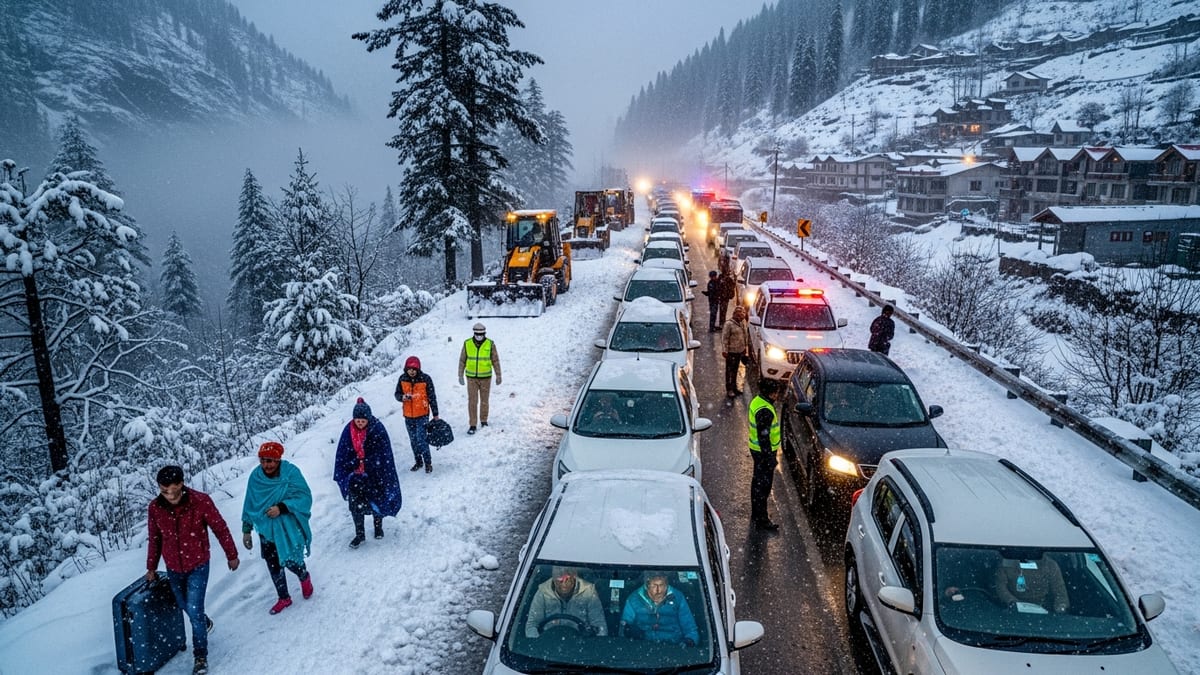
Unseasonal Arctic Blast Slams Noyabrsk
Publicly available regional reports describe an anomalous May cold front surging across northwest Siberia over the weekend, transforming Noyabrsk and neighboring communities into midwinter landscapes despite the calendar showing mid May. The storm system, carrying moisture from the Arctic, intensified as it crossed the Yamal-Nenets Autonomous Okrug, producing prolonged heavy snowfall and strong winds.
Local and regional outlets covering Yamal and the adjacent Khanty-Mansi Autonomous Okrug indicate that snowfall totals in affected cities reached levels more typical of December. In Noyabrsk, municipal updates and weather summaries describe around thirty centimeters of dense, wet snow accumulating in roughly half a day, an amount consistent with broader coverage of “abnormal snowfalls” reported across Noyabrsk, Muravlenko, Gubkinsky and the Purovsky district.
The intensity of the storm caught many residents at a time when streets and vehicles were already transitioned to spring conditions. Visual material circulated by Russian media shows urban roads quickly buried, tree branches bending under the weight of new snow and plows working through deep ruts. For travelers, the sudden return of winter created a cascade of delays and cancellations by Sunday.
Road and Public Transport Networks Struggle
Travel across the south of Yamal and into neighboring Yugra has been among the hardest hit sectors. Regional transport bulletins and Russian news agencies report that heavy snow and sharply reduced visibility led to temporary restrictions for all types of vehicles on key highways running through Khanty-Mansi Autonomous Okrug, a major overland gateway for Noyabrsk-bound traffic.
Coverage of conditions on the federal Yugra highway describes lengthy traffic queues, with stretches of the route reportedly affected along several hundred kilometers as trucks and private vehicles struggled through snow-clogged lanes. In some districts, media reports mention visibility dropping toward zero as snow and blowing wind combined to create whiteout conditions, prompting safety warnings and urging drivers to postpone nonessential trips.
Within Noyabrsk and nearby towns, urban public transport has also been affected. Statements summarized in regional reporting note difficulties for buses navigating unplowed side streets, combined with localized delays and partial suspensions as operators worked to clear depots and adjust schedules. In several communities across Yamal, published coverage points to disruptions in both public transport and intercity bus services, highlighting the wider regional nature of the storm’s impact.
For visitors and business travelers, these conditions mean longer journey times, potential closures of certain stretches of highway, and an increased likelihood of last minute changes to ground transport timetables. Travel organizations monitoring the region are advising close attention to local advisories and flexible routing wherever possible.
Air Travel and River Crossings Affected
The snowstorm has not only challenged roads but also the delicate logistics chain that connects remote Siberian cities with the rest of Russia. According to publicly accessible statements from regional leaders and follow up news coverage, the sudden deterioration in weather has caused intermittent disruptions to flights serving Noyabrsk and other airports across southern Yamal.
Reports from Yamal-based outlets describe airports operating under low-visibility conditions, with takeoffs and landings occasionally delayed as crews worked to clear runways and adjust to shifting wind. While full closures have not been universally reported, the combination of heavy snow, gusty winds and limited de-icing capacity at smaller airports is contributing to a pattern of knock on delays for connecting passengers.
River crossings, a vital seasonal link in this part of Russia, have also experienced difficulties. Coverage of the passenger crossing between Salekhard and Labytnangi, further north in Yamal, notes that services have been operating with interruptions because of snow and blizzard conditions, leaving travelers waiting for hours at terminals before operations could resume on a limited basis. Similar weather processes are feeding the same storm complex affecting Noyabrsk, underscoring how widespread the disturbance has become for regional mobility.
For travelers heading into or out of Noyabrsk over the coming days, these reports suggest a fluid situation at both airports and river crossings, with the possibility of temporary suspensions when visibility deteriorates or when snow removal falls behind the pace of the storm.
Power Cuts and Urban Services Under Pressure
Alongside transport disruption, the heavy snow and gale force gusts have put electrical and municipal services under pressure across western Siberia. Coverage from outlets in neighboring Khanty-Mansi Autonomous Okrug details outages in multiple towns and districts following the passage of the storm front, with strong winds and wet snow bringing down branches onto power lines and causing short interruptions to electricity supply.
In Yugra, reports describe power being temporarily cut in several cities and rural settlements, including areas around Khanty-Mansiysk and other districts to the west. Published information indicates that crews have been working to restore service, with electricity already returning to some affected communities while repair work continues elsewhere. Although Noyabrsk itself has seen fewer large scale interruptions reported so far, the shared grid connections across Yamal and Yugra mean the city is exposed to the same weather related vulnerabilities.
The snow has also complicated basic urban services. Street cleaning and waste collection have been slowed as plows focus on keeping main arteries passable. In some municipalities hit by the same system, organized outdoor events and walking tours have been postponed or canceled. For residents and visitors alike, routine activities now require extra time and planning as sidewalks and building entrances are repeatedly cleared.
Travel and hospitality businesses in Noyabrsk are monitoring the situation closely, with some accommodations advising guests about potential fluctuations in power or heating and the need to prepare for shifting check in and check out arrangements as transport delays ripple through the region.
Travel Outlook and Safety Guidance for Visitors
Meteorological updates cited in Russian media suggest that while the heaviest snow fell over a relatively compact twelve hour window, unsettled conditions are expected to linger in the short term. Temperatures hovering around freezing and ongoing gusty winds may prolong slushy and icy surfaces on roads and airport aprons, particularly overnight and during early morning hours.
For travelers with plans to visit Noyabrsk or transit through Yamal and neighboring Yugra, publicly available advisories emphasize caution. Drivers are being encouraged to switch to winter style driving habits, maintain greater distances, and avoid night travel on rural highways when drifting and ice formation are most severe. Those using long distance buses or private transfers are being advised to check departure information frequently and anticipate delays.
Air passengers are likely to experience schedule changes as airlines and airports adjust operations to evolving runway and visibility conditions. It is advisable to build additional buffer time into connections through major Siberian hubs and to be prepared for rebooking in case of prolonged low visibility. Travelers relying on river crossings or seasonal ferries should be ready for intermittent suspensions as operators weigh safety against demand.
Despite the challenges, local coverage indicates that snow clearing equipment, utility crews and transport operators are working on intensified schedules to restore normal mobility. For now, however, Noyabrsk’s heavy May snowstorm stands as a stark reminder that in Russia’s far north, winter can reassert itself swiftly, reshaping travel plans well into the spring shoulder season.